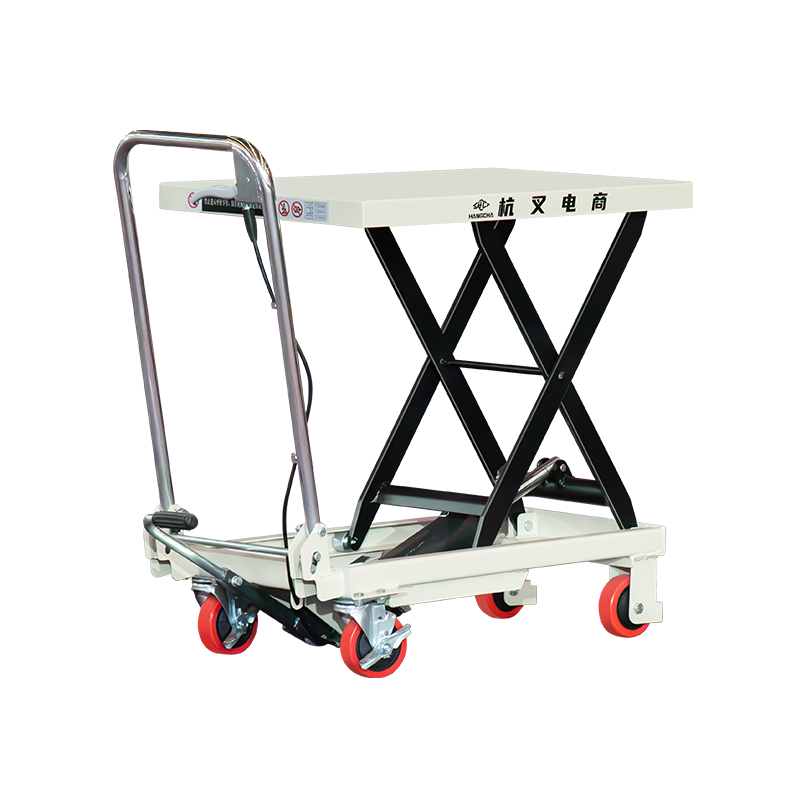
The general rule of thumb for a forklift's lifespan is 10,000 hours. However, this is just a starting point. The real numbers vary significantly depending on the type of machine.
The most significant factor in a forklift's lifespan is its power source. Electric and internal combustion (IC) forklifts have fundamentally different designs, which leads to substantial differences in their longevity and maintenance needs.
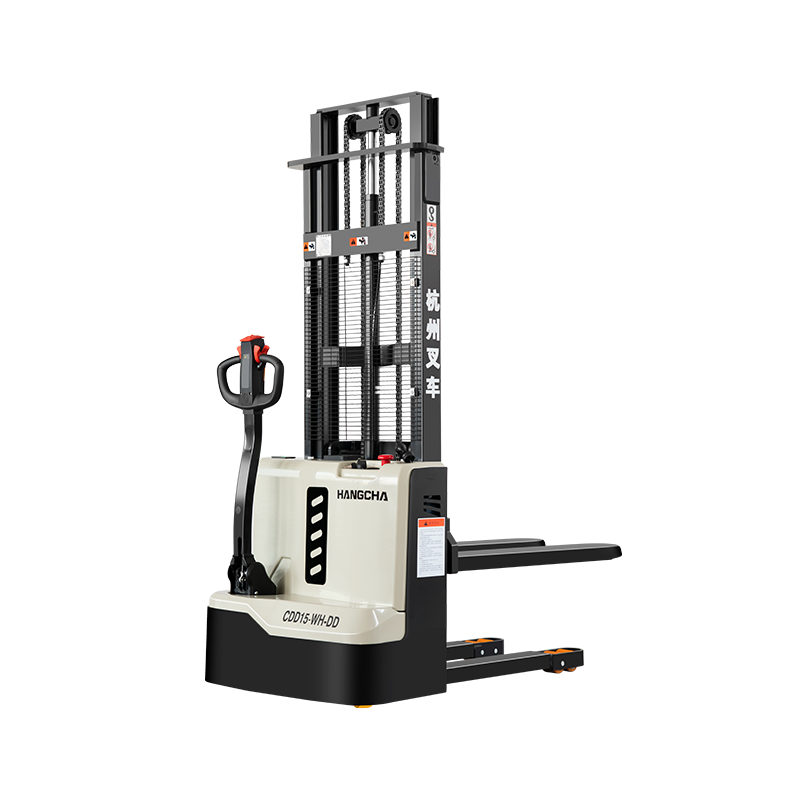
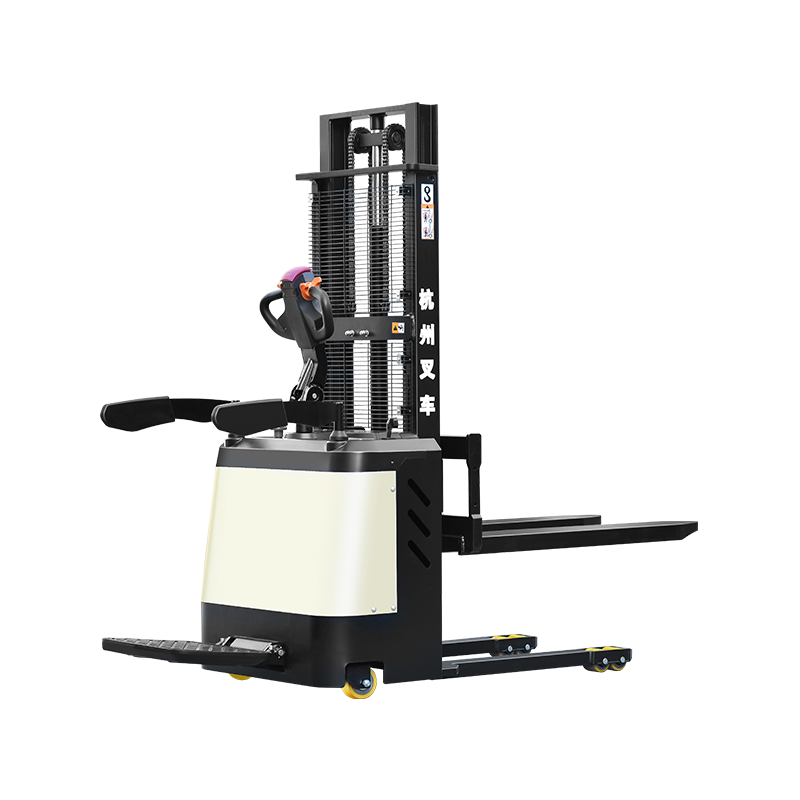
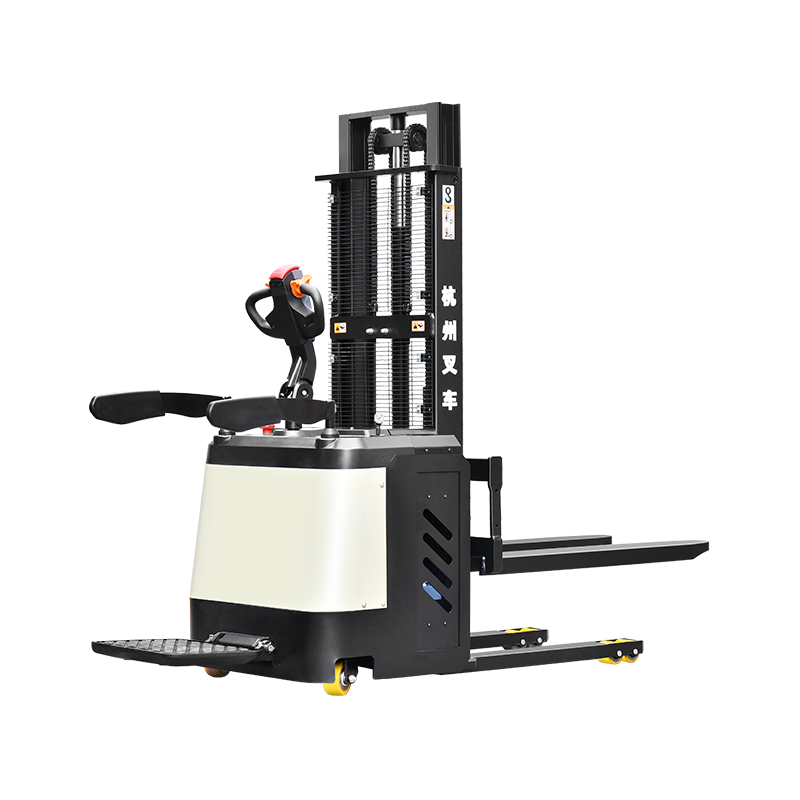
Electric forklifts are the undisputed champions of longevity. With proper care, they can have an impressively long service life.
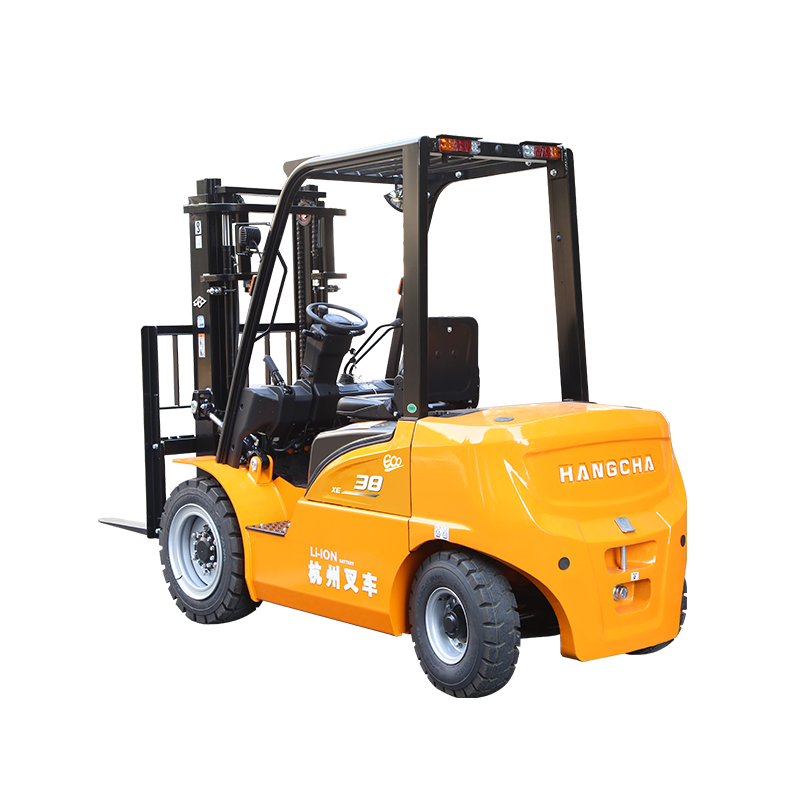
Average Lifespan: A well-maintained electric forklift can last for 10,000 to 20,000 hours, with some high-quality models exceeding 30,000 hours. The 4,000-Cycle Claim: Hangcha, in partnership with battery manufacturers like CATL, states that its lithium-ion forklift batteries are designed to retain at least 80% of their residual capacity after 4,000 full charging cycles. In a typical single-shift operation (around 2,000 hours/year), this translates to 5 to 10 years or more of service.
Why They Last Longer:
Fewer Moving Parts: The electric motor is far simpler than a diesel engine, with fewer components subject to friction and heat. This means less wear and tear and fewer things that can break.
Cleaner Operation: The absence of a combustion engine eliminates issues like heat, vibration, and exhaust, which all contribute to component stress in IC models.
Reduced Maintenance: Maintenance for electric forklifts is less frequent and intensive, focusing primarily on the battery, electrical systems, and hydraulics.
A Key Consideration: The Battery: While the machine itself is highly durable, the battery is a consumable part. A standard lead-acid battery typically has a lifespan of 1,500 to 2,000 charge cycles, which often means a replacement is needed every 5 to 7 years. The cost of a new battery is a significant factor in the forklift's "economic life"—the point at which it becomes more cost-effective to replace the entire unit than to invest in a new battery.
Diesel forklifts are powerful, reliable, and essential for many outdoor and heavy-duty applications. However, their complex design typically results in a shorter average lifespan.
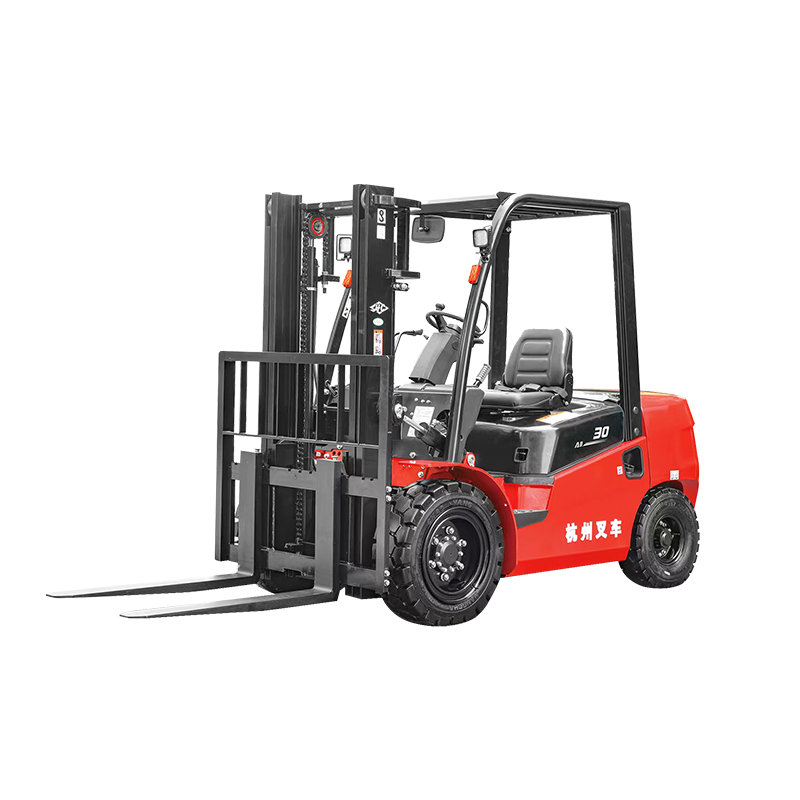
Average Lifespan: Diesel forklifts generally have an average lifespan of 8,000 to 10,000 hours. For a single-shift operation, this means a service life of approximately 4 to 5 years. A well-maintained diesel forklift can have a lifespan of up to 12,000-20,000 working hours.
Why They Last Less:
Complex Mechanical Systems: A diesel engine has numerous moving parts—pistons, cylinders, and a complex fuel system—that are constantly subjected to heat and friction from combustion.
Higher Stress Environment: These forklifts are often used in harsh outdoor conditions on uneven terrain, which puts more strain on the engine, drivetrain, and chassis.
Higher Maintenance Needs: Diesel engines require more frequent and extensive maintenance, including regular oil and filter changes, cooling system checks, and attention to the fuel system. Neglecting this maintenance can lead to a rapid decline in engine health.
A Key Consideration: Emissions Systems: Modern diesel forklifts are equipped with sophisticated exhaust after-treatment systems (e.g., DPF filters). These systems require specific maintenance and the use of Diesel Exhaust Fluid (DEF). Failure to properly maintain them can lead to costly repairs and a reduced lifespan.
When evaluating a forklift's lifespan, it's important to distinguish between two concepts:
Useful Life: This is the total time a forklift can remain operational before it's physically beyond repair.
Economic Life: This is the point at which the cost of maintaining and repairing the forklift becomes more expensive than replacing it with a new one. For businesses, this is the most practical metric. A forklift has reached the end of its economic life when it experiences frequent breakdowns, requires costly component replacements, and shows a decrease in performance or fuel efficiency.
| Feature | Electric Forklift | Diesel Forklift |
| Typical Lifespan (Hours) | 10,000 - 20,000+ | 8,000 - 10,000 |
| Why it Lasts Longer/Shorter | Fewer moving parts, cleaner operation. | Complex engine, higher stress from heat and friction. |
| Key "Wear" Component | The battery (needs periodic replacement). | The engine (requires more frequent maintenance and potential overhauls). |
| Best-suited Environment | Indoor, clean warehouses. | Outdoor, rough terrain, and heavy-duty applications. |
| Impact of Maintenance | Less frequent, but crucial for battery health. | More frequent and critical for engine longevity. |
Before diving into the specifics of each type, it's crucial to understand the universal factors that dictate how long any forklift will last:
Maintenance: This is the most critical factor. Regular preventative maintenance, such as fluid and filter changes, lubrication, and scheduled inspections, is the single best way to extend a forklift's life. Neglecting routine care will drastically shorten its lifespan.
Operating Environment: The conditions a forklift operates in matter a great deal. A machine used indoors on smooth, clean surfaces will last much longer than one exposed to rough terrain, extreme temperatures, dust, or corrosive chemicals.
Operator Behavior: The way a forklift is driven directly impacts its components. Aggressive driving, lifting loads beyond the manufacturer's capacity, and skipping pre-shift inspections can cause premature wear and tear on the engine, drivetrain, and hydraulic systems.
Brand and Quality: Like any machine, some manufacturers are known for building more durable equipment. A high-quality forklift from a reputable brand will often exceed the average lifespan, with some models operating for tens of thousands of hours.

+86-0571-88131206

+86-19084200370

+86-17816721301
 عربى
عربى