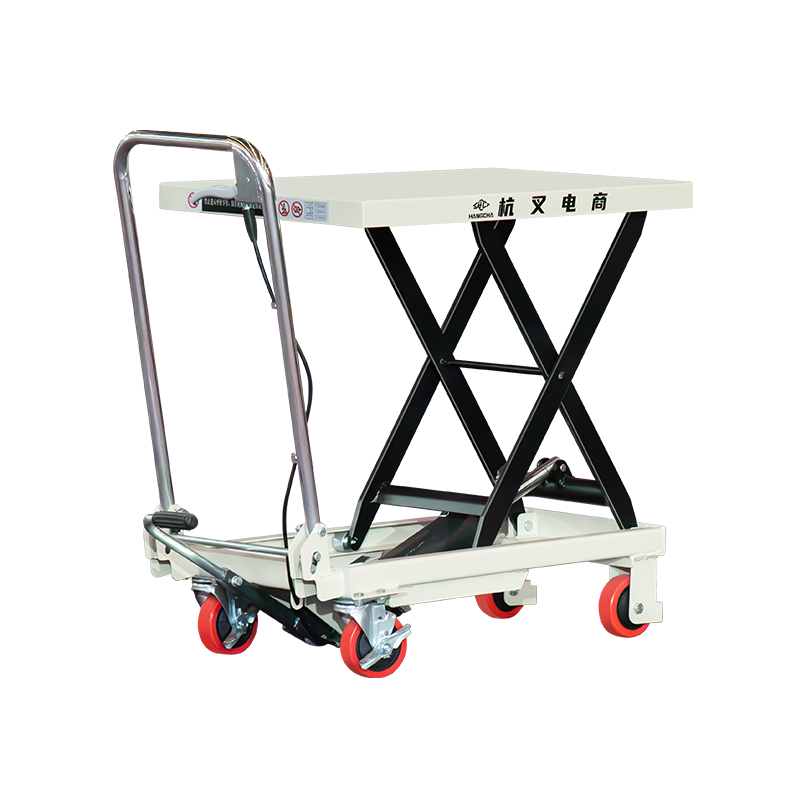
Material handling and logistics infrastructure rely heavily on industrial forklifts to manage supply chains worldwide. At the heart of every forklift lies its propulsion system, a critical component that dictates operating efficiency, total cost of ownership (TCO), and application suitability. Historically, heavy-duty material handling relied almost exclusively on internal combustion (IC) platforms. However, strict environmental regulations and major technological breakthroughs have drastically shifted the market.
Modern global logistics facilities, driven by global carbon-neutrality targets and strict indoor emission standards (such as OSHA regulations), are rapidly transitioning from traditional internal combustion systems toward advanced electric drivetrains. This guide provides a comprehensive breakdown of the specific types of motors and engines that power today's material handling fleets, ensuring procurement managers and industrial contractors can make data-driven infrastructure investments.
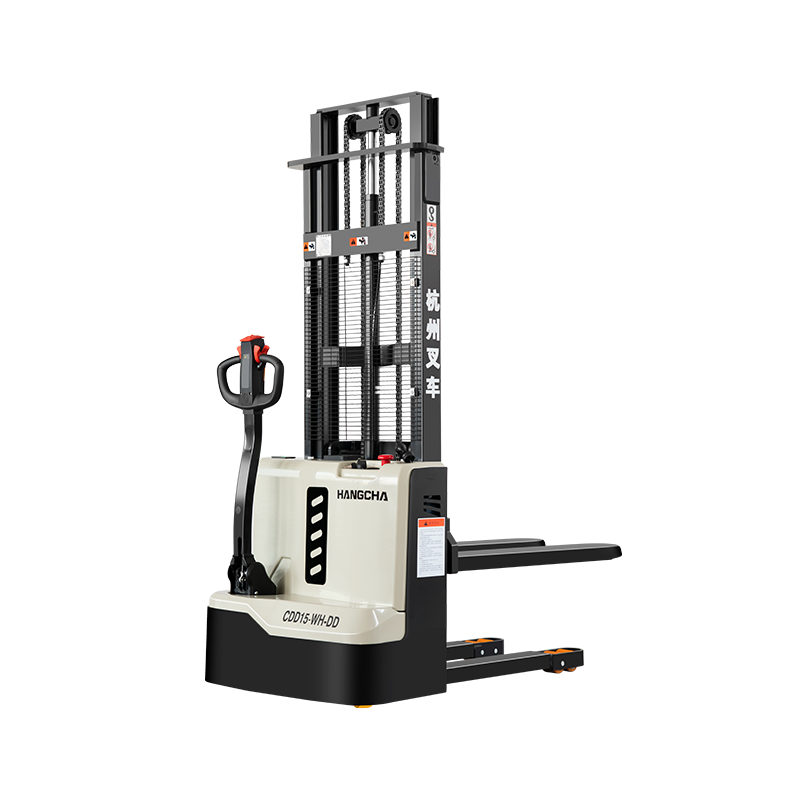
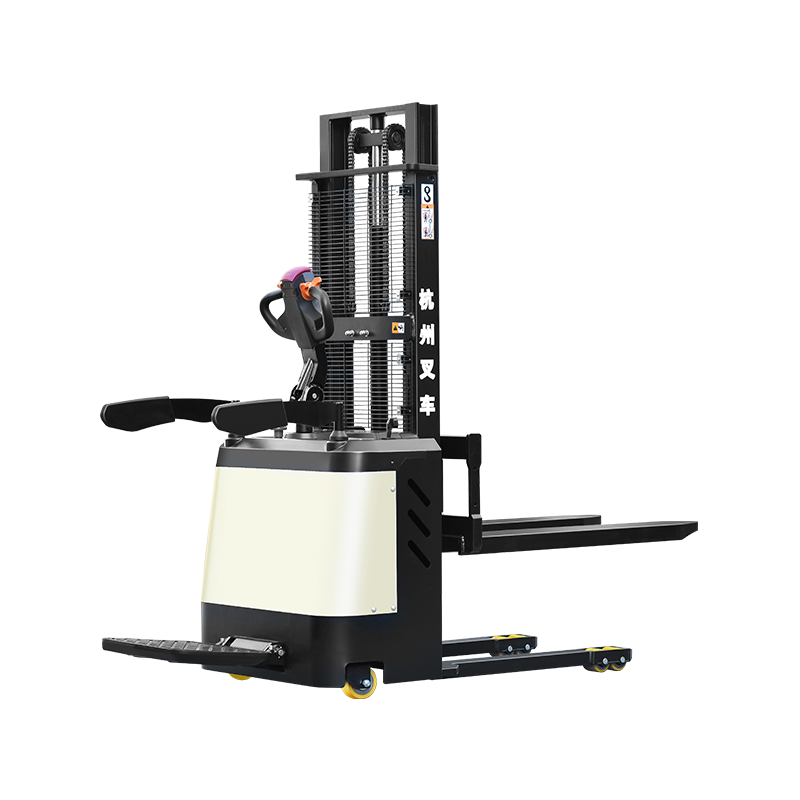
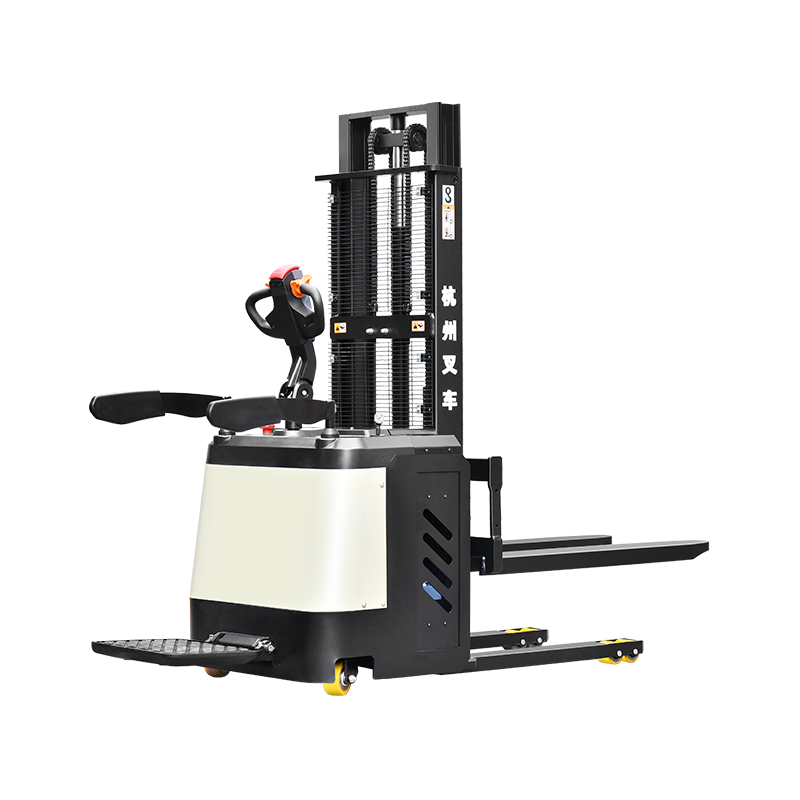
Electric forklifts have gained a dominant market share, particularly in indoor warehousing, cold-chain logistics, and pharmaceutical manufacturing. These machines extract high-voltage current from industrial battery banks—traditionally lead-acid, but increasingly integrated with high-density Lithium-ion (Li-ion) battery packs—to power solid-state electric powertrains. The electric configuration relies on two primary motor architectures: Direct Current (DC) and Alternating Current (AC).
Direct Current motors were the standard for electric forklifts for decades. They operate by receiving DC power directly from the battery system. DC motors are categorized into brushed and brushless variants, though older forklift designs heavily utilized brushed configurations due to their simple design and high low-speed torque characteristics.
However, brushed DC motors have significant mechanical limitations. They rely on physical carbon brushes and a mechanical commutator to transfer electrical current to the rotating armature. This physical contact generates continuous friction, leading to thermal stress, carbon dust accumulation, and routine component wear. Consequently, maintenance teams must regularly inspect, service, and replace these components to prevent unexpected fleet downtime.
Alternating Current (AC) motors have become the modern industrial standard for high-performance electric fleets. Because forklift batteries natively store DC energy, AC-powered forklifts integrate a specialized solid-state electronic inverter. This inverter converts the battery's DC electricity into variable-frequency AC power, allowing for highly precise control over motor speed and torque production.
The primary advantage of the AC forklift motor is its brushless, induction-based design. By eliminating physical brushes and commutators, mechanical friction is dramatically reduced. This design offers several critical advantages:
When analyzing fleet deployment strategies, understanding the performance and financial differences between AC and DC motor configurations is vital for long-term budget optimization.
| Performance Metric | AC Motor Technology | DC Motor Technology |
| Mechanical Architecture | Brushless design; relies on electromagnetic induction and an inverter system. | Brushed design; utilizes physical carbon brushes and a mechanical commutator. |
| Maintenance Requirements | Extremely low. Virtually no internal wearable components. | High. Requires periodic brush replacements and cleaning of carbon dust. |
| Energy Efficiency | Superior. Incorporates regenerative braking to capture and reuse energy. | Moderate. Higher energy loss due to friction and heat dissipation. |
| Total Cost of Ownership (TCO) | Higher initial procurement cost, offset by low maintenance and energy savings. | Lower upfront purchase price, but higher long-term operational maintenance costs. |
For demanding, heavy-duty, outdoor applications, internal combustion (IC) forklifts remain a vital asset. These rugged machines excel in industrial construction sites, timber yards, ports, and steel manufacturing yards where high-capacity lifting, continuous outdoor durability, and rapid refueling are required.
Liquefied Petroleum Gas (LPG) engines are highly versatile and widely used in the IC category. Operating on pressurized liquid propane, these engines emit significantly fewer particulate matters and harmful emissions compared to diesel. This makes LPG forklifts uniquely suited for hybrid operations, allowing them to move safely between outdoor yards and well-ventilated indoor industrial spaces. They provide consistent, uncompromised internal combustion power without the extended charging downtime associated with electric batteries.
Diesel engines are the preferred choice for high-capacity, heavy-lift industrial applications. Designed for massive torque production at low engine RPMs, diesel powertrains provide the raw structural force needed to handle heavy loads, often exceeding 10 to 45 tons. To comply with rigorous modern environmental standards, global manufacturers equip modern diesel forklifts with advanced exhaust after-treatment technologies, fully meet emissions standards such as US EPA Tier 4 Final and EU Stage V regulations.
Pure gasoline engines represent a traditional internal combustion setup, though they are less common in modern fleets than LPG configurations. They are generally found in specialized or utility outdoor applications where gasoline refueling infrastructure is already integrated into the facility. In many fleet setups, engines are configured as dual-fuel systems, allowing operators to switch between gasoline and LPG via a manual valve to maximize fuel flexibility.
A common misconception is that a forklift contains only a single power unit. In reality, a modern industrial forklift integrates several independent, specialized sub-motors. Each sub-motor is engineered to execute distinct physical operations within the chassis, typically carrying an Ingress Protection rating of IP65 or higher to guard against dust and moisture contamination.
Selecting the optimal propulsion platform requires a careful evaluation of your operating environment, shift structures, and long-term financial metrics. Indoor facilities handling food, beverages, or pharmaceuticals are typically legally required to deploy zero-emission electric AC systems. Conversely, demanding outdoor yards operating 24/7 often benefit from the quick refueling and rugged build of IC platforms.
From a procurement perspective, the final decision should rest on a rigorous Total Cost of Ownership (TCO) calculation model rather than just the initial purchase price. Procurement managers can use the standard framework below to calculate and compare lifetime asset costs:
While an advanced electric AC forklift carrying a premium Li-ion battery bank requires a higher initial capital expenditure (CapEx), it typically demonstrates vastly lower annual energy and maintenance operational expenditures (OpEx). For multi-shift operations, this favorable OpEx structure frequently yields a full return on investment (ROI) within 18 to 24 months of deployment.
The industrial forklift sector continues to evolve through rapid technological advancements. A key trend is the growing transition from standard AC induction motors to Permanent Magnet Synchronous Motors (PMSM). PMSM technology offers even higher energy efficiency and superior power density, allowing manufacturers to design more compact forklift frames without sacrificing lifting performance.
Furthermore, modern forklift motors are increasingly integrated with Internet of Things (IoT) sensor arrays. These connected sensors continuously track real-time thermal levels, vibration profiles, and current draw. This data flows directly to cloud-based telematics platforms, enabling fleet managers to implement predictive maintenance models, preventing mechanical failures before they lead to costly operational downtime.
The brushless AC electric motor is widely considered the optimal choice for warehouse operations. It produces zero emissions, operates quietly, offers precise low-speed maneuverability, and eliminates the regular maintenance costs associated with internal combustion engines or older DC brushed systems.
How long do electric forklift motors last?With proper operational care, high-quality industrial AC electric traction and hydraulic motors can easily last between 10,000 to 20,000 operational hours. The overall lifespan is significantly longer than DC variants due to the lack of brush friction and lower internal running temperatures.
Can electric forklifts be deployed for outdoor use?Yes, modern electric forklifts designed with high ingress protection ratings (such as IP65 or IP67 sealed enclosures) can safely operate in outdoor environments, including light rain and dusty loading docks. However, for extremely uneven, unpaved terrain or continuous heavy-capacity lifting in harsh weather, heavy-duty IC diesel or LPG platforms remain the industry preference.

+86-0571-88131206

+86-19084200370

+86-17816721301
 عربى
عربى