Operating a
Forklifts are powerful machines used in various industries. They help move heavy loads efficiently.
However, improper use can lead to accidents. These accidents can cause injuries or even fatalities.
Understanding
Regular training and certification updates are essential. They keep operators informed about safety practices.
Pre-operational checks are vital. They help identify potential issues before operation.
Operators must be aware of their surroundings. This includes other vehicles and pedestrians.
Proper load handling is critical. It prevents tipovers and other accidents.
By following safety tips, operators can work safely and efficiently.
Accidents involving forklifts are often severe. They result in injuries and can disrupt operations. Therefore, understanding and implementing
Key safety principles should guide operators. Here are some important considerations:
The right approach ensures the equipment functions correctly. Operators should always be vigilant. They must watch for hazards in the environment.
Safety should be a continuous focus. Ongoing training and reminders are essential. They help reinforce good habits and update personnel on best practices.
The culture of safety benefits everyone. It creates a more productive workspace. Prioritizing safety at all times is key.
Certification is mandatory for
Obtaining certification involves both training and testing. Training includes theoretical and practical aspects. Operators learn safe practices and hands-on control of the equipment.
Legal requirements for certification vary. They depend on local laws and industry standards. Therefore, understanding these specifics is essential.
Best practices go beyond legal compliance. They focus on continuous improvement. Being safety-conscious and vigilant is vital for every operator.
Employers have responsibilities too. Providing access to certification programs is one of them. Regularly updating training is also crucial.
Here are some key certification essentials:
Certification protects both operators and their employers. It reduces liability and enhances workplace safety. Certification shows a commitment to maintaining standards.
The certification process involves several steps. It's a combination of classroom learning and hands-on experience. With the right approach, obtaining certification is straightforward.
Begin by enrolling in a certified training program. This is usually the first step. Programs are available both online and in-person.
Next, participate in hands-on training sessions. These allow operators to practice their skills. It's vital for understanding real-world applications.
Here’s a certification process breakdown:
Finally, successfully passing the required tests is crucial. After completing these steps, operators receive their certification. This confirms their ability to handle forklifts safely.
Continuing education is part of ongoing training. It helps operators stay informed about changes in regulations. As well as any updates in best practices.
Important aspects of ongoing training include:
Regular training benefits employers and operators alike. It reduces the chance of accidents. It also ensures all safety protocols are up-to-date.
Forklifts come in various types, each designed for specific tasks. Understanding the differences is essential for safe operation.
The two primary types are electric and internal combustion forklifts. Each type has unique features and safety considerations.
Electric forklifts are often used indoors. They are quieter and produce no emissions. These traits make them suitable for warehouses and factories.
Internal combustion forklifts run on fuel, such as gas or diesel. They're powerful and often used outdoors. However, they require ventilation if used indoors.
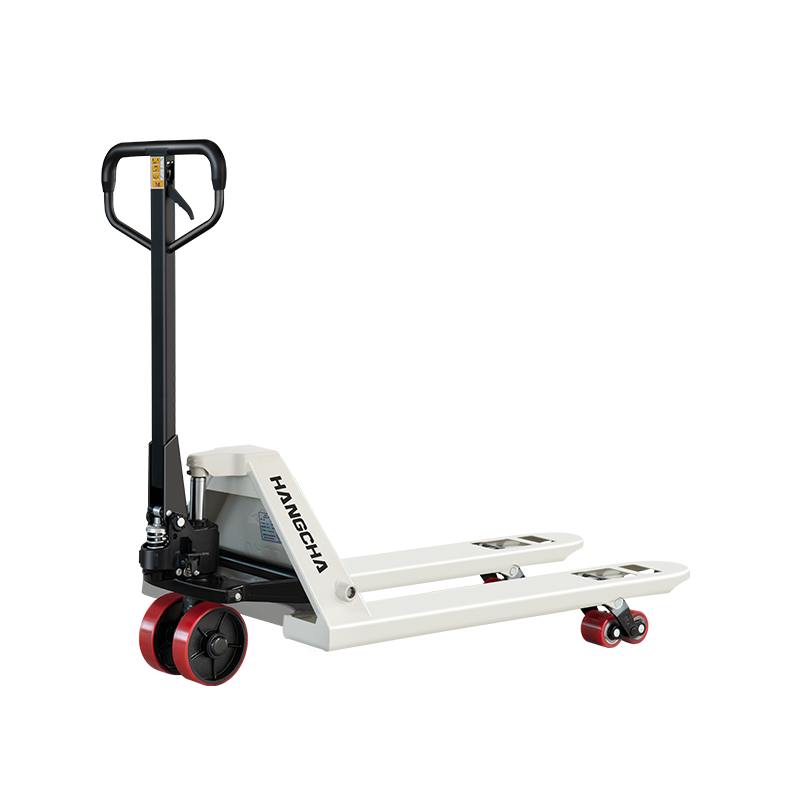
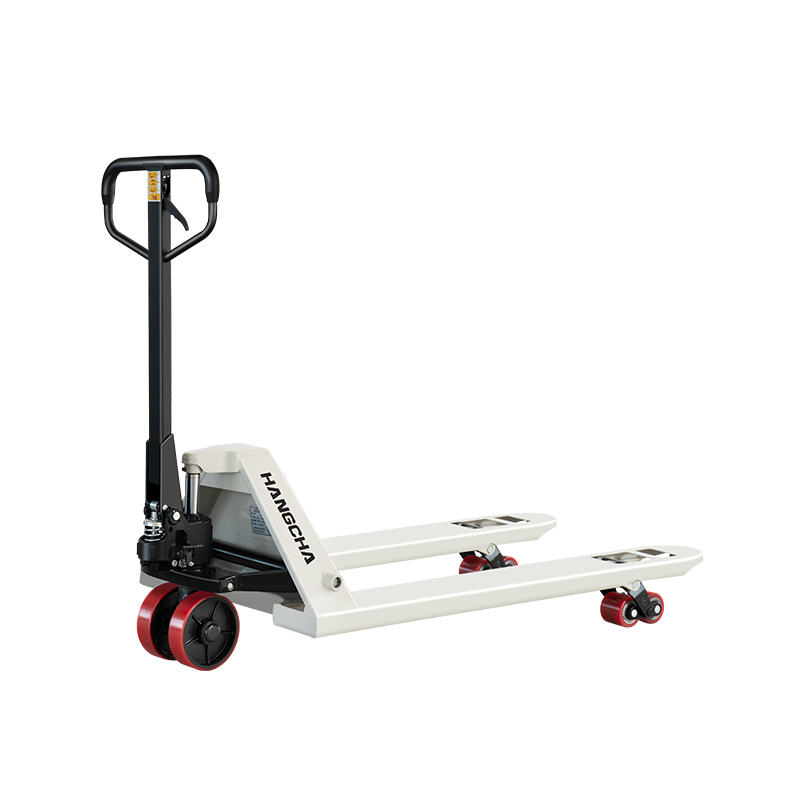
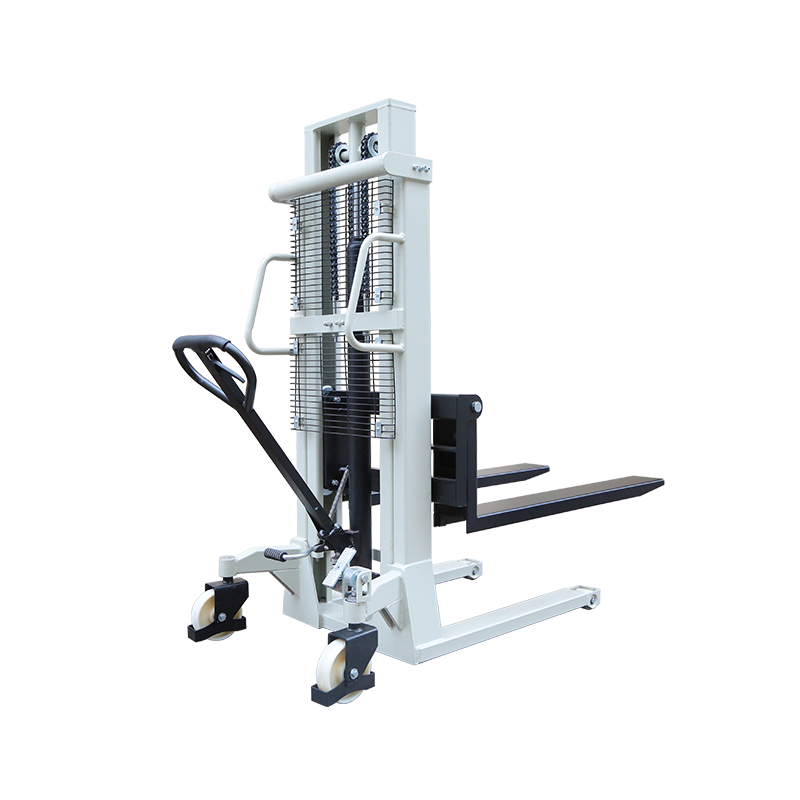
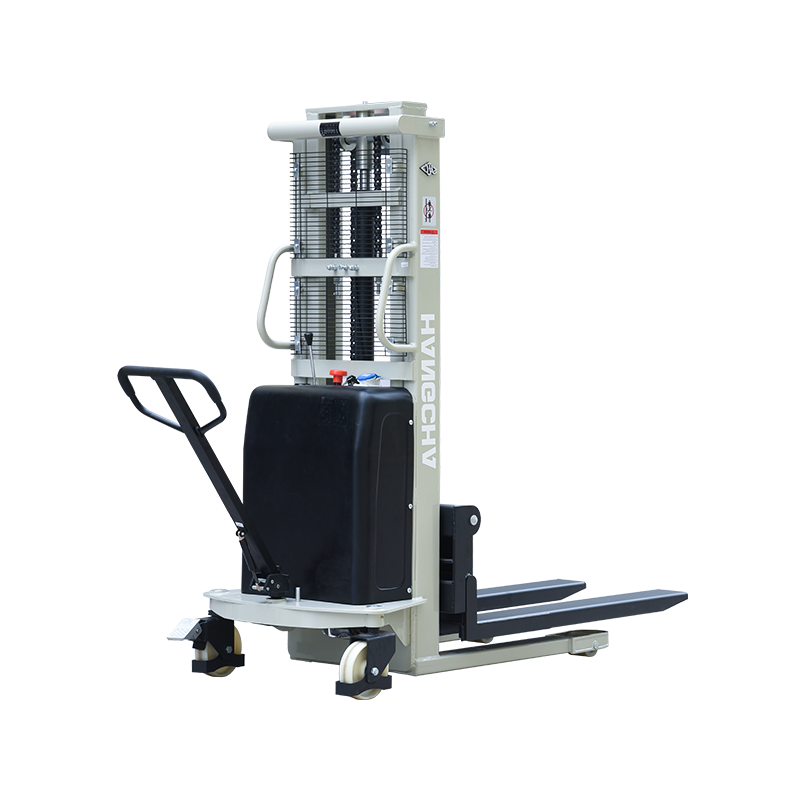
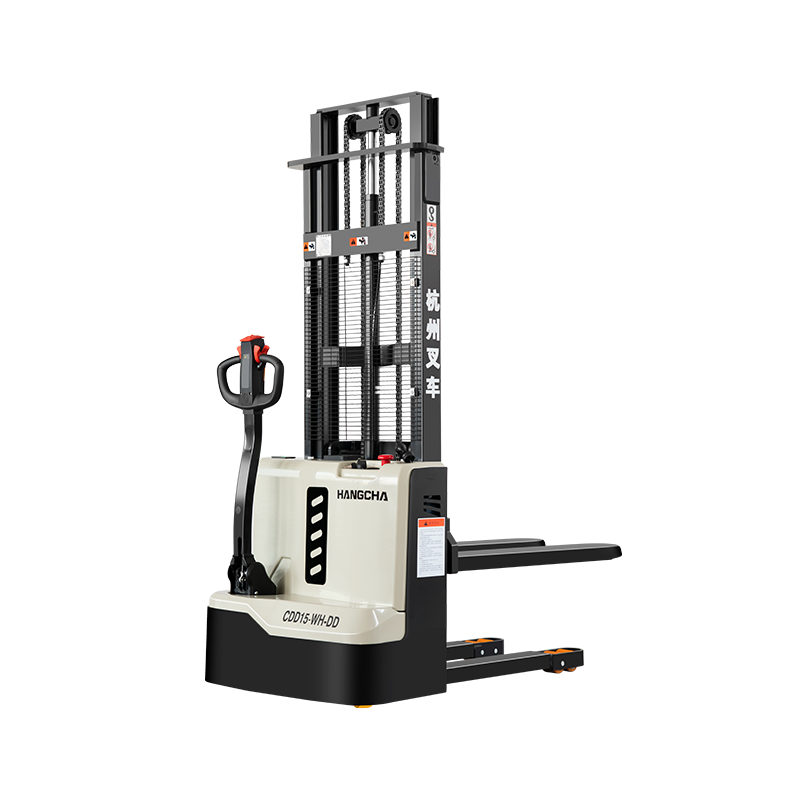
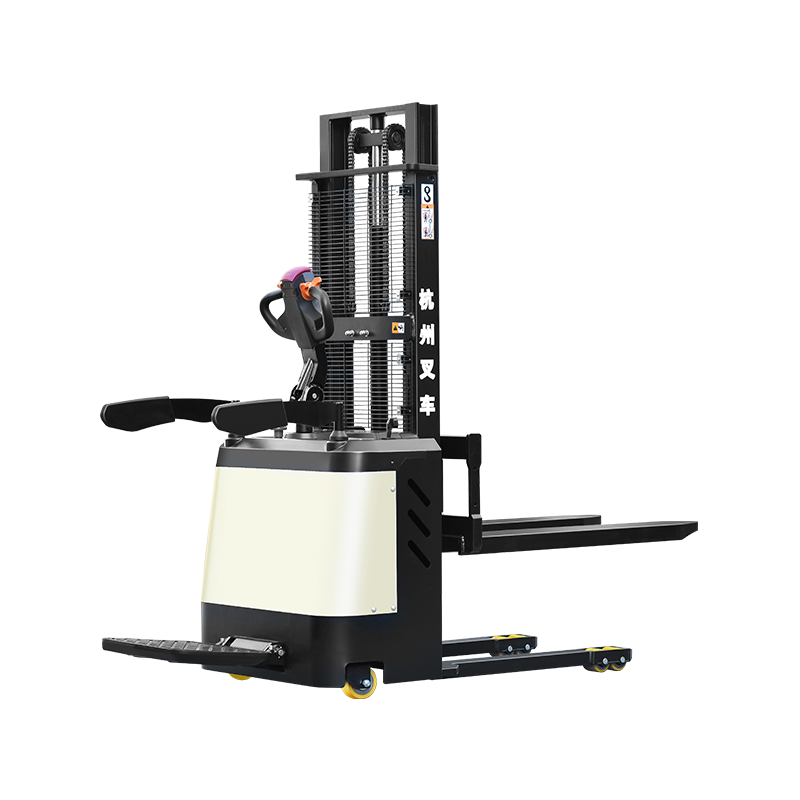
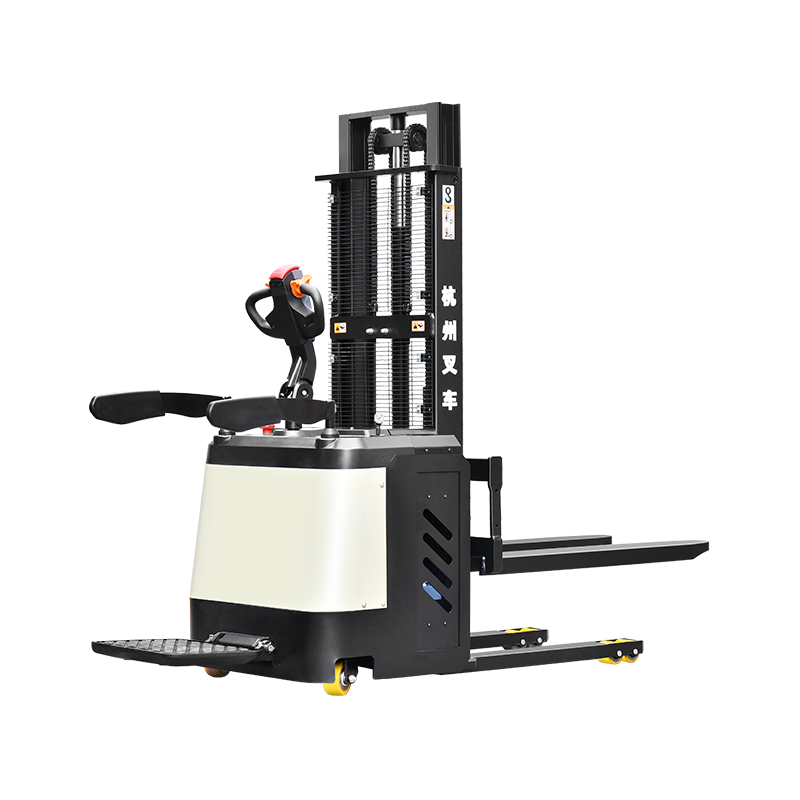
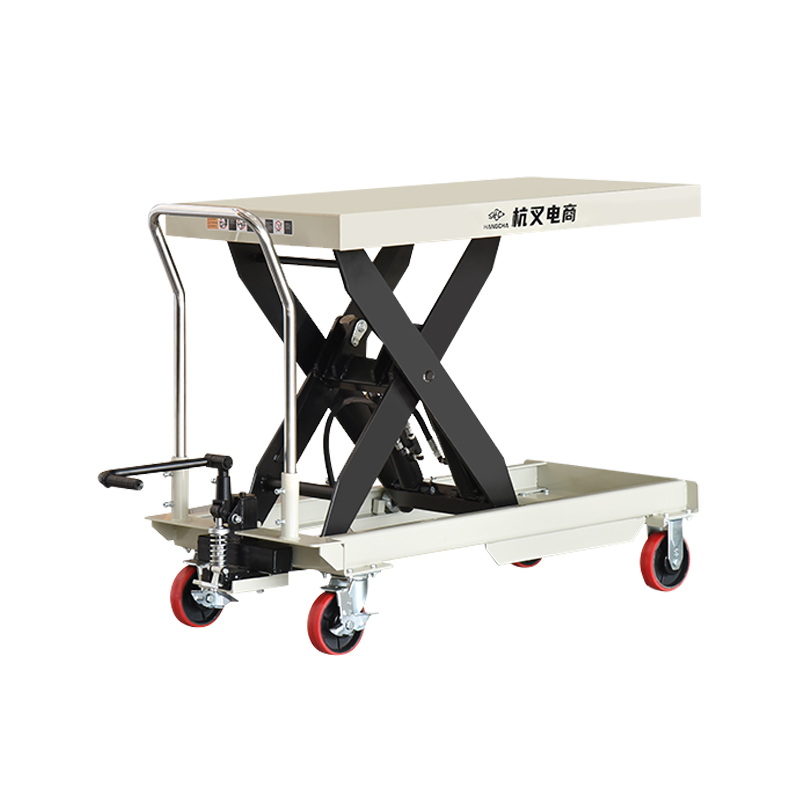
Specialized forklifts include reach trucks and pallet jacks. These are designed for specific applications. They're essential tools for certain industries.
Consider these factors when selecting a
Safe operation depends on choosing the right
Electric forklifts are compact and eco-friendly. They're ideal for indoor tasks. Battery-powered, they're quieter and require less maintenance.
In contrast, internal combustion forklifts offer more power. They're suitable for outdoor jobs on rough terrain. Fuel-powered, they need regular maintenance and proper ventilation when indoors.
When choosing between these two, consider:
Each type has its benefits and limitations. Selecting the proper
Specialized forklifts serve distinct roles. Reach trucks have extended forks for high stacking. They're used in narrow aisles to optimize storage space.
Pallet jacks are smaller and less powerful. They're perfect for moving pallets within short distances. Their compact size makes them highly maneuverable.
Other specialized forklifts include:
These machines cater to niche requirements. Understanding their specific functionalities ensures their safe and effective use.
Specialized forklifts can greatly improve operational efficiency. Proper training and usage are critical to maximize their potential.
Safety checks are vital before using a
Operators should thoroughly examine the vehicle daily. An overlooked issue could lead to severe consequences.
Key areas to inspect include tires, brakes, and steering. Forks and mast operation should also be assessed for proper functioning.
A regular check involves fluid levels and battery or fuel condition. Lights and mirrors should be intact and functional.
Detailed checks ensure everything works as expected. They also help identify parts that may need repair or replacement.
Regular inspections can extend the life of the
To maintain consistency, follow a checklist like this:
A daily inspection ensures operational reliability. This checklist covers essential components for safety and efficiency.
Checking these components helps detect issues early. It also prevents unexpected failures during operation.
Regularly use a standardized checklist to maintain thoroughness. Consistency in inspections promotes safety and effectiveness.
If a defect is found, reporting it is crucial. Quick action prevents potential accidents.
Recording discovered issues keeps a log for reference. It aids future inspections and maintenance planning.
Address defects promptly with these steps:
Identifying and fixing defects early avoids operational disruptions. Active reporting fosters a safer work environment.
Safe operation is the key to preventing accidents and injuries. It starts with understanding the
Before starting, ensure you know the workspace layout and potential hazards. Recognize safety signs, restricted areas, and pedestrian zones.
When operating, always keep hands and feet inside the
Communicate with coworkers to ensure everyone understands each other's actions. Coordination prevents accidents in busy work areas.
Here are some vital operational tips:
Properly entering and exiting the
Always maintain three points of contact when mounting or dismounting. This means two hands and one foot, or two feet and one hand.
Ensure the
Here's a quick checklist to follow:
Keeping visibility ensures safe
Know the
Additional mirrors and cameras can be installed if standard visibility is inadequate. Perform regular site scans to spot potential hazards.
Maintain awareness by:
Speed and turning control is crucial to prevent tipovers and collisions. Sudden motions can destabilize the
Maintain a safe speed, especially in crowded areas or sharp turns. Gradual acceleration and braking ensure smoother control.
Always slow down before turning to prevent tipovers. Never exceed recommended speed limits.
To ensure controlled movement:
Handling loads correctly is crucial for
Begin by assessing the load's weight and distribution. Overloading can destabilize the
Plan your path before moving, ensuring it’s clear of obstacles. Follow established routes and pedestrian-free areas.
Here are key pointers for load handling:
During movement, keep the load low for stability. This lowers the center of gravity, reducing tipover risks.
Avoid sharp turns with an elevated load. Sudden shifts can unbalance the
Also, maintaining a steady pace helps in smooth transportation. Abrupt stops or starts can be hazardous.
Here's another set of tips:
Approaching a load correctly aids in safe handling. Ensure a straight alignment with the load to avoid side collisions.
Bring the
Once positioned, slightly tilt the mast back to secure the load. Ensure it’s stable before lifting.
Key actions include:
When lifting, do so gradually. Observe the load as it rises to avoid instability.
While transporting, keep the load low. This maximizes
Lower the load slowly and smoothly at the destination. Sudden drops can damage both
Follow these basics when handling loads:
Stacking loads high carries additional risks. Ensure the stack's base is stable before adding weight.
Avoid exceeding height limits that can affect balance. Unstable stacks lead to potential accidents and goods damage.
Confirm stack alignment regularly. Misaligned loads create tipping hazards.
Operating forklifts on uneven terrain requires extra care. Stability is more challenging compared to flat surfaces.
When approaching ramps, align the
Always drive straight up and down inclines. Sideways movement can easily lead to tipping over.
Reducing speed is crucial on slopes. Increased momentum can cause the
Loads should be kept uphill of the
Consider these recommendations for safer operation:
Uneven surfaces demand particular attention. Watch for potholes or loose debris that can cause loss of control.
Maintain a steady hand on the steering wheel. Sudden adjustments on rough ground can destabilize the
Prioritize clear communication with ground personnel. Alert them to your intended path and actions to prevent accidents.
Pedestrians are often unaware of
Operators should use horns and lights to alert others of their presence. This is especially important at blind corners.
Communication is key when forklifts and other vehicles share a worksite. Hand signals and walkie-talkies can facilitate this process.
Effective rules when working around pedestrians and other vehicles include:
Maintain a safe stopping distance between vehicles. Sudden stops can cause collisions or tipping.
Reducing speed around pedestrians is also crucial. Slower speeds provide more reaction time in congested areas.
Staying constantly aware of your surroundings is essential. Regularly scan for unexpected movements from nearby personnel or vehicles.
Several factors contribute to tipovers. These include improper load handling and uneven terrains.
Balancing a load correctly is the first step in preventing a tipover. Loads should be symmetrical and not too high.
Operators must be cautious on inclines and unstable surfaces. Slow speeds reduce the chance of a tipover in these areas.
If a tipover is imminent, staying calm is vital. Panic can lead to quick, unsafe decisions.
Essential steps to mitigate tipover risks include:
In an emergency, taking immediate action is key. Operators should follow procedures they've been trained on to minimize injuries.
With adequate training, operators can learn to deal with situations effectively. Continual practice in emergency scenarios boosts confidence and enhances safety.
If a tipover occurs, staying seated and wearing a seatbelt can prevent injuries. Exiting during a tipover can be dangerous.
Lean away from the direction of the fall. This lowers the risk of injury as the
Steps to follow during a tipover are:
After the tipover, assess the situation before exiting the
These strategies can mitigate the impact of tipovers, helping operators stay safe. Consistent training is essential for preparedness in such events.
Proper parking procedures for forklifts are essential for safety. Improperly parked forklifts can lead to accidents.
To park a
After stopping, lower the forks to the ground. This prevents accidental movement and secures the load area.
Ensure the parking brake is engaged. This step is crucial for preventing unintended movement.
Clear the area of obstacles before leaving the
Steps to secure a parked
Secure parking ensures a safe environment for everyone in the vicinity. Operators must follow these guidelines consistently.
Routine maintenance for forklifts ensures long-term reliability and safety. Regular checks allow for early detection of potential issues.
Maintenance tasks include oil changes, brake inspections, and hydraulic system checks. Each task should be performed at specified intervals.
Neglecting these duties can lead to breakdowns and workplace accidents. In addition, regular maintenance boosts operational efficiency.
Operators should document all maintenance activities. Record-keeping helps track the health of the
A proactive maintenance approach leads to fewer unexpected repairs. Below are key maintenance elements:
By prioritizing these tasks,
Scheduled maintenance is a shared responsibility between maintenance staff and operators. Operators play a crucial role in daily upkeep.
Operators should perform daily inspections. These checks include fluid levels and looking for visible damage.
Regular checks contribute to the early detection of worn parts. Such findings must be reported immediately.
Operators should also monitor performance during use. Any unusual sounds or operation deviations should be noted.
Responsibilities include:
A collaborative approach ensures that the equipment remains safe and operational.
Sometimes, it is necessary to remove a
Forklifts should be taken out of service when damage is detected that affects performance or safety.
Key reasons to remove a
Removing forklifts from service is essential for workplace safety. Always prioritize operator and site safety over continued use.
Renting a
However, safety should remain a top priority when using rental forklifts. Operators must thoroughly understand the specific model rented.
Rental forklifts may differ from standard equipment. Variations can include controls, features, and performance characteristics.
It's crucial for operators to receive an orientation session. This session should cover the new equipment's operation and safety features.
When renting a
Regular inspections should be conducted, similar to owned equipment. Report any issues promptly to the rental company.
By adhering to these safety practices, businesses can effectively manage risks associated with
Understanding common accident types helps in preventing them. Tipovers, collisions, and falls are frequent incidents.
Improper loading is a major risk factor. Overloading or imbalanced loads lead to instability.
Another common issue is poor visibility. Obstructed views can result in collisions or pedestrian accidents.
To minimize accidents, consider the following preventive measures:
Work environments should be organized to facilitate safe
Regularly assessing operational practices helps identify potential risks. Proactive measures can significantly reduce accident rates.
By fostering a culture of safety and adherence to guidelines, workplaces ensure safer
Safety culture plays a vital role in workplace security. Emphasizing
Management commitment is fundamental to foster a safety-first environment. Leaders should prioritize safety in all operations.
Regular training sessions keep safety practices fresh in operators' minds. Incorporating daily safety talks reinforces critical safety rules.
Having a clear communication channel is beneficial. Easy access to report safety concerns is crucial.
To build a strong safety culture, consider these strategies:
Safety is a continuous process that requires diligence. By promoting a safety culture, accidents decrease, improving overall productivity.
Empower employees to take ownership of safety standards. This results in a more secure and motivated workplace.
What is the importance of
How often should forklifts be inspected? Daily checks are essential. They help identify issues early and prevent accidents.
Operators should always follow manufacturer guidelines. These inspections include checking brakes, lights, and horns.
Can anyone operate a
Frequent inquiries about
By clarifying these concerns, workplaces can enhance their safety protocols, ensuring both operator security and operational efficiency.
Operating forklifts demands responsibility and focus. Safety measures are crucial to protect lives and maintain efficiency. Understanding every aspect of
Ongoing training is key. It keeps operators updated on the latest safety practices. Certification not only is required by law but also boosts skills and confidence. Regular checks and inspections guarantee that equipment is always in optimal condition.
Cultivating a safety-first mindset is essential for every worker. This approach ensures a productive environment. Encouraging open communication helps address safety concerns promptly. By prioritizing safe practices,

+86-0571-88131206

+86-19084200370

+86-17816721301
 عربى
عربى