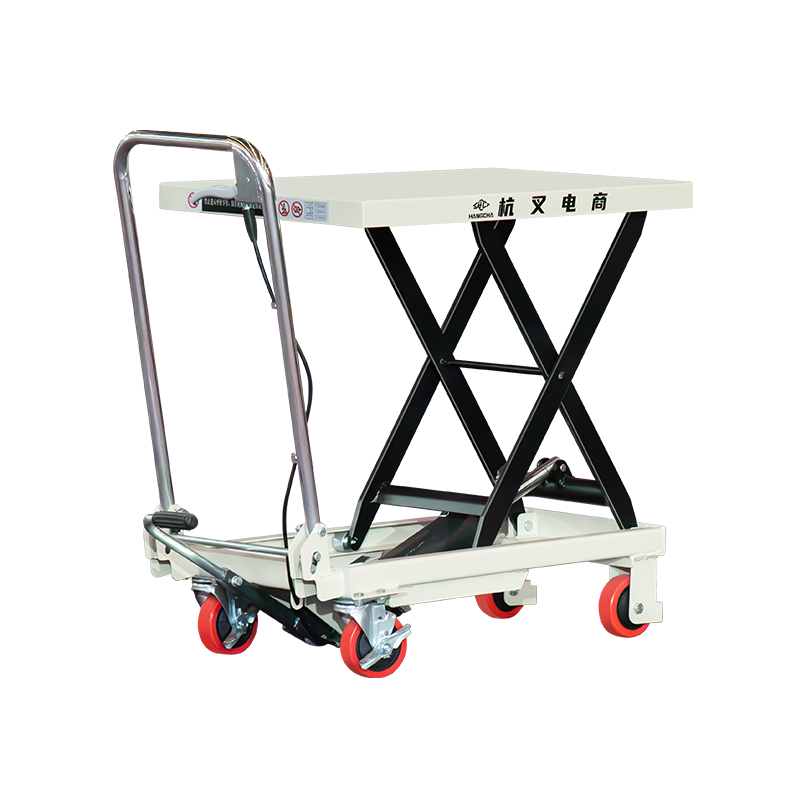
The brake system ensures safe stopping, load control, and operator protection by converting kinetic energy into heat through friction and hydraulic force.
In forklifts, braking performance directly affects safety, tire wear, and overall equipment uptime, especially under load and in confined spaces.
A forklift brake system uses hydraulic pressure to actuate friction components at the wheels.
It typically consists of disc or drum brakes, a brake pump (master cylinder), and brake fluid, working together to deliver controlled stopping force.
When the brake pedal is pressed:
Key principle:
If heat is generated faster than it can be dissipated, braking efficiency drops.
| Parameter | Typical Range | Why It Matters |
|---|---|---|
| System pressure | 80–120 bar | Determines braking force |
| Pad operating temperature | 100–350°C | Above range causes brake fade |
| Brake fluid boiling point | >230°C (dry) | Prevents vapor lock |
| Stopping distance variance | ±10% | Indicator of system imbalance |
A disc brake uses brake pads to clamp a rotating disc (rotor).
It is increasingly used in modern forklifts due to better heat dissipation.
Why it matters (data-driven):
Typical applications:
A drum brake uses brake shoes pressing outward against a rotating drum.
It offers strong braking force at lower cost but retains more heat.
Why it matters (data-driven):
Typical applications:
Heat-managed braking systems with direct exposure to airflow.
Engineering advantages:
Failure pattern:
Enclosed friction systems with self-energizing characteristics.
Engineering advantages:
Failure pattern:
Brake pads (disc) and brake shoes (drum) create friction to slow or stop the forklift.
Why they matter (quantifiable impact):
Common failure signals:
The brake pump converts pedal force into hydraulic pressure.
It is the control center of the brake system.
Why it matters (quantifiable impact):
Common failure signals:
Brake fluid transfers hydraulic pressure and absorbs heat generated during braking.
Why it matters (quantifiable impact):
Common failure signals:
Root causes:
Impact:
Root causes:
Impact:
| Component | Function | Failure Impact | Replacement Priority |
|---|---|---|---|
| Brake Pads / Shoes | Friction braking | Increased stopping distance | Very High |
| Brake Pump | Pressure generation | Delayed or failed braking | High |
| Brake Fluid | Pressure transfer & cooling | Brake fade | Very High |
| Disc / Drum | Friction surface | Vibration, uneven braking | Medium |
| Component | Cost Level | Risk if Delayed | Strategy |
|---|---|---|---|
| Pads / Shoes | Low | High safety risk | Preventive |
| Brake Fluid | Low | System-wide failure | Scheduled |
| Brake Pump | Medium | Critical failure | Condition-based |
| Discs / Drums | High | Gradual degradation | Inspection-based |
More than 70% of brake-related failures are caused by delayed replacement of low-cost items such as brake pads and brake fluid.
Routine inspection and fluid replacement can reduce brake system downtime by 30–40%.
Q: Disc or drum brakes—which is better for forklifts?
A: Disc brakes offer better heat dissipation and stability. Drum brakes are cost-effective and suitable for lighter-duty operations.
Q: How often should brake fluid be replaced?
A: Typically every 1–2 years, depending on operating temperature and duty cycle.

+86-0571-88131206

+86-19084200370

+86-17816721301
 عربى
عربى