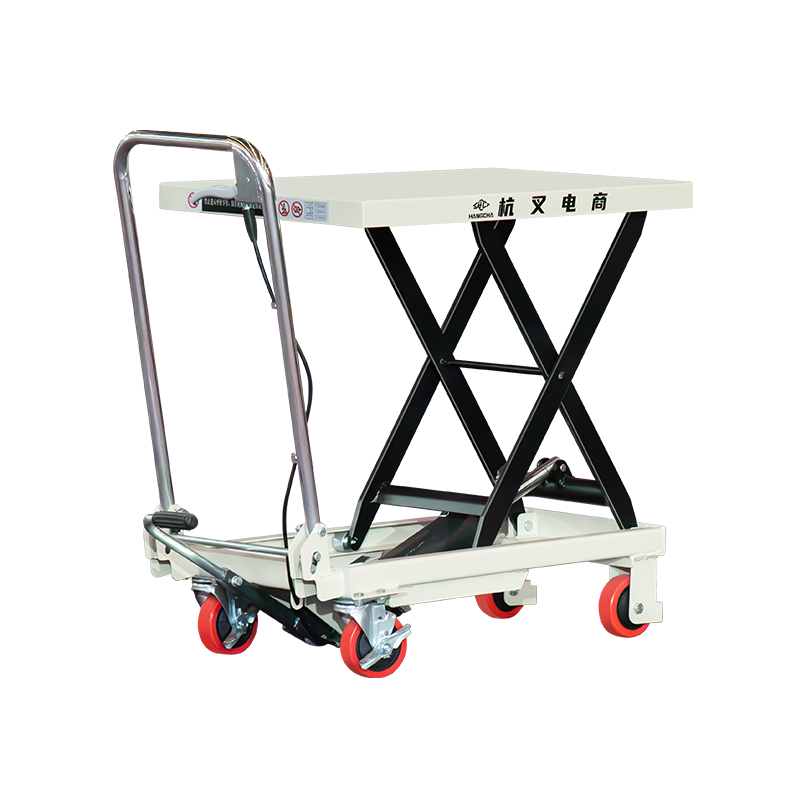
The hydraulic system provides lifting, tilting, and steering power in a forklift by converting fluid pressure into mechanical force.
Most forklift performance issues—such as slow lifting or unstable load handling—are directly related to hydraulic system efficiency and pressure stability.
A hydraulic system uses pressurized oil to transmit force and control motion.
In forklifts, it powers the mast lifting, tilt functions, and often steering assistance, making it one of the most load-intensive systems.
Hydraulic oil flows from the reservoir → pump → control valves → cylinders → return line.
Any loss in pressure, flow, or sealing efficiency reduces lifting force and control accuracy.
Key system equation (simplified):
Force = Pressure × Effective Cylinder Area
This means:
| Parameter | Typical Range | Why It Matters |
|---|---|---|
| System pressure | 140–200 bar | Determines lifting force |
| Flow rate | 20–60 L/min | Affects lifting speed |
| Oil temperature | 40–80°C | Above 90°C accelerates seal wear |
| Oil cleanliness | ISO 4406 | Directly impacts valve life |
The hydraulic pump converts mechanical energy into hydraulic flow and pressure.
It determines the system flow rate (L/min) and maximum operating pressure.
Why it matters (quantifiable impact):
The pump defines the maximum system capability.
Common pump types:
Efficiency loss indicator:
Common failure signals:
Hydraulic valves control oil direction, pressure, and flow rate.
They ensure smooth, controlled movement of lifting and tilting functions.
Why they matter (quantifiable impact):
Critical valve types:
Failure pattern insight:
Valve contamination causes more failures than mechanical wear.
Common failure signals:
Hydraulic cylinders convert oil pressure into linear force for lifting and tilting.
They are directly exposed to heavy loads and repetitive motion cycles.
Why they matter (quantifiable impact):
Design factors that matter:
Hidden failure:
Internal seal bypass causes slow load drop without visible leakage.
Common failure signals:
Hydraulic hoses and pipes transport pressurized oil between components.
They must withstand high pressure, temperature, and vibration.
Why they matter (quantifiable impact):
Key specs buyers must confirm:
Industry rule:
Replace hoses every 5–6 years regardless of appearance.
Common failure signals:
Impact: Pressure loss, contamination, safety risk
Impact: Slow lifting, reduced load capacity
| Component | Primary Function | Failure Impact | Replacement Priority |
|---|---|---|---|
| Hydraulic Pump | Generate pressure & flow | System-wide power loss | High |
| Valves | Control direction & pressure | Unstable movement | Medium |
| Cylinders | Convert pressure to force | Load drift, leakage | High |
| Hoses & Pipes | Oil transmission | Sudden failure risk | Very High |
Over 60% of hydraulic system failures originate from small components such as seals, hoses, and contaminated oil—not major hardware.
Preventive replacement and oil cleanliness control can extend hydraulic system life by 30–50%.
| Symptom | Likely Cause | First Check |
|---|---|---|
| Slow lifting | Pump wear | Pressure test |
| Load drifting | Cylinder seal bypass | Cylinder isolation test |
| Jerky movement | Valve contamination | Valve spool inspection |
| Oil overheating | Flow restriction | Filter & return line |
| Component | Cost | Risk Level | Replacement Strategy |
|---|---|---|---|
| Seals | Low | High | Preventive |
| Hoses | Medium | Very High | Scheduled |
| Filters | Low | High | Frequent |
| Pump | High | Medium | Condition-based |
Hydraulic system failures are rarely sudden.
They are usually preceded by pressure loss, temperature rise, or oil contamination—all measurable indicators.
Monitoring these parameters can reduce unplanned downtime by 30–40%.
Q: Why does my forklift lift slowly but still reach full height?
A: This usually indicates flow loss, not pressure loss—often caused by pump wear or flow restriction.
Q: Can oil quality really damage valves?
A: Yes. Contaminated oil is the number one cause of valve sticking and premature failure.

+86-0571-88131206

+86-19084200370

+86-17816721301
 عربى
عربى