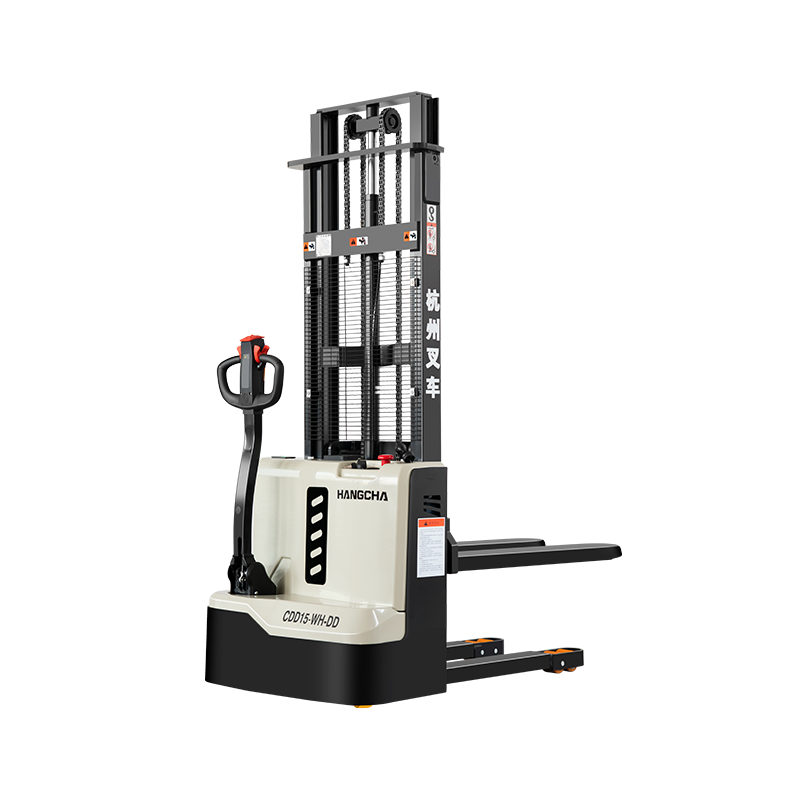
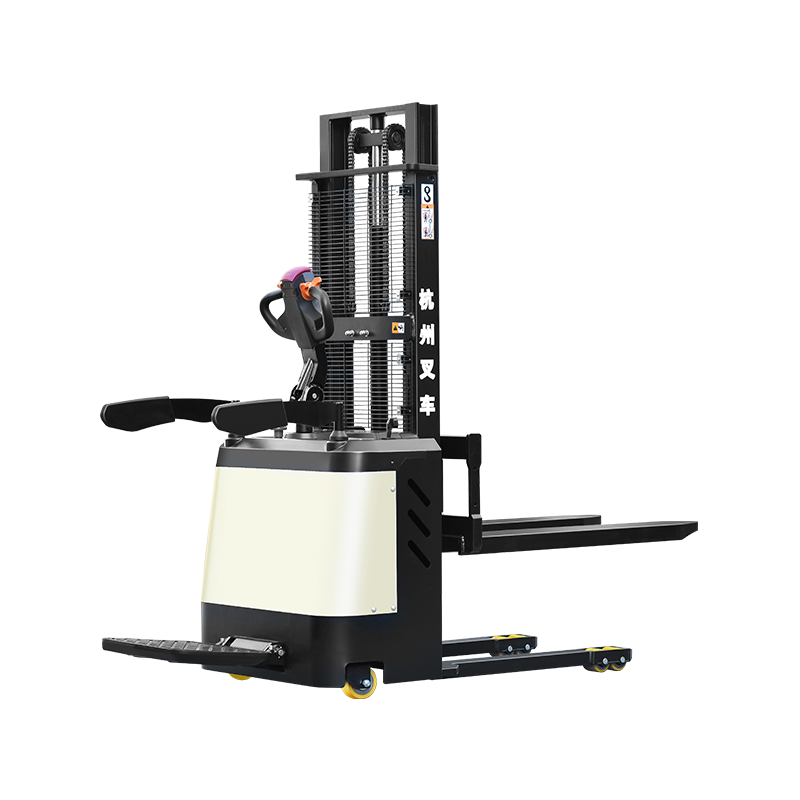
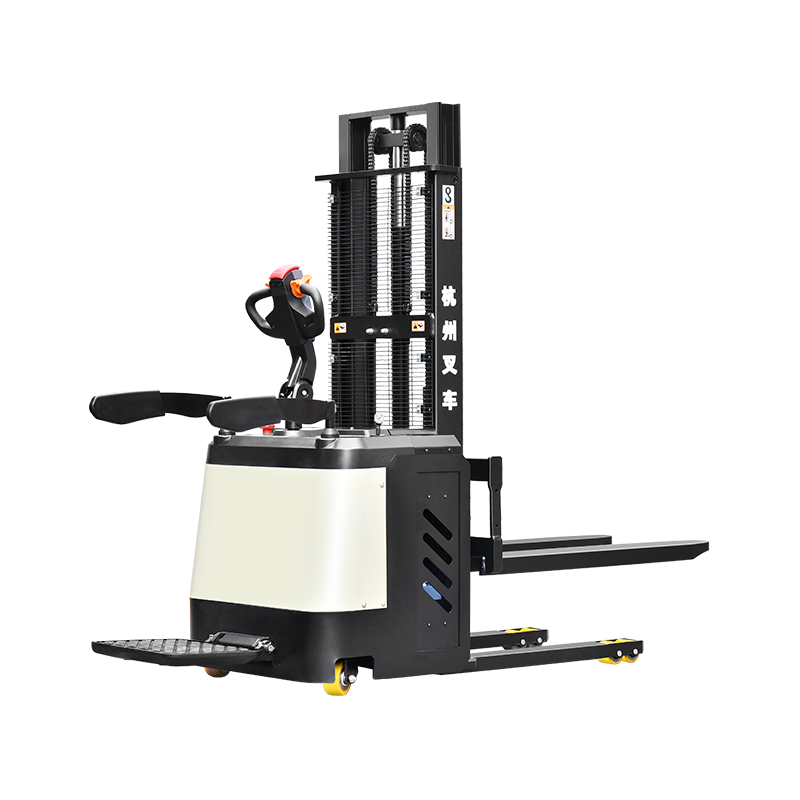
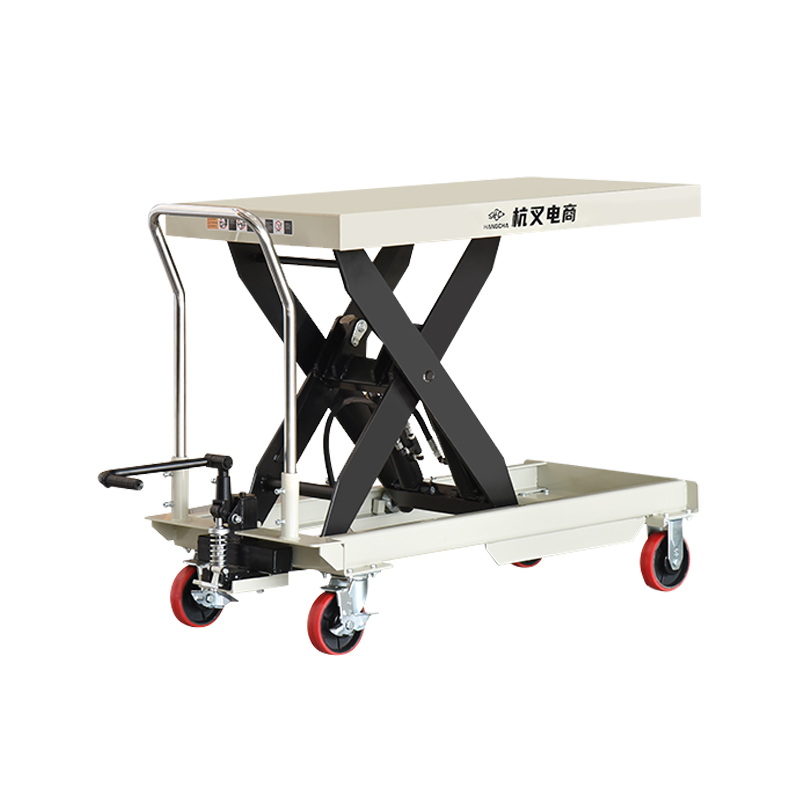
The mast system determines a forklift’s lifting height, operational range, and suitable working environment.
For B2B spare parts procurement, correctly identifying the mast type (Duplex, Triplex, Container, Full Free Lift) prevents mismatches, reduces downtime, and improves operational efficiency.
A mast system is the main lifting structure of a forklift. It includes the mast frame, carriage, chains, rollers, and hydraulic lifting components.
Mast type directly affects maximum lift height, free lift height, and working conditions.
A Duplex Mast is a standard two-stage mast. It is commonly used in warehouses and indoor operations.
Its advantages are simpler structure, lower cost, and easier maintenance.
Typical use cases:
A Triplex Mast is a three-stage mast designed for higher lifting heights.
It usually uses a telescopic structure to provide greater lift without increasing the mast’s full height.
Typical use cases:
A Container Mast is designed to work inside shipping containers.
It usually has a longer mast stroke and enhanced stability for confined space operations.
Typical use cases:
Full Free Lift means the forks can lift while the mast itself does not extend upward.
This is a key feature for operations in low ceiling spaces, trucks, or containers.
Benefits:
| Mast Type | Structure | Best Use Cases | Procurement Focus |
|---|---|---|---|
| Duplex (2-stage) | Two-stage mast | Standard warehouses | Low cost, easy maintenance |
| Triplex (3-stage) | Three-stage telescopic | High rack storage | Confirm height & load center |
| Container | Container-compatible design | Container handling | Confirm mast stroke & stability |
| Full Free Lift | Forks lift without mast extension | Low ceiling environments | Confirm free lift height |
Hangcha forklifts use different mast types depending on the model and application.
Common mast types used by Hangcha include Duplex (2-stage), Triplex (3-stage), Container mast, and Full Free Lift. The exact mast type is determined by the specific forklift model and configuration.
The fastest method is to check the forklift’s nameplate or specification label, usually located near the operator’s cabin or on the chassis.
Look for these fields:
If the nameplate lists “Mast Type: Duplex”, then it is a Duplex mast, etc.
Count the number of mast sections:
Some Hangcha models include mast information in the model code.
Typical examples (may vary by region):
If your forklift has Full Free Lift, it will show:
This is a clear sign of Full Free Lift configuration.
| Mast Type | Key Feature | How to Identify |
|---|---|---|
| Duplex (2-stage) | Standard, common | 2 mast sections |
| Triplex (3-stage) | Higher lift | 3 mast sections |
| Container Mast | Works inside containers | Longer mast, container-specific design |
| Full Free Lift | Forks lift without mast extension | Free lift close to max lift height |

+86-0571-88131206

+86-19084200370

+86-17816721301
 عربى
عربى