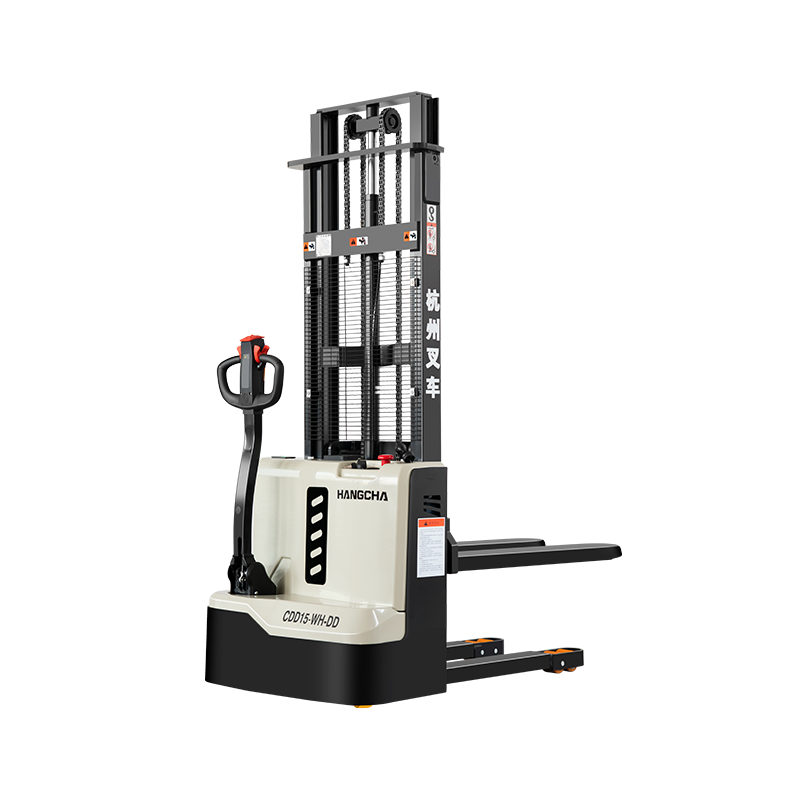
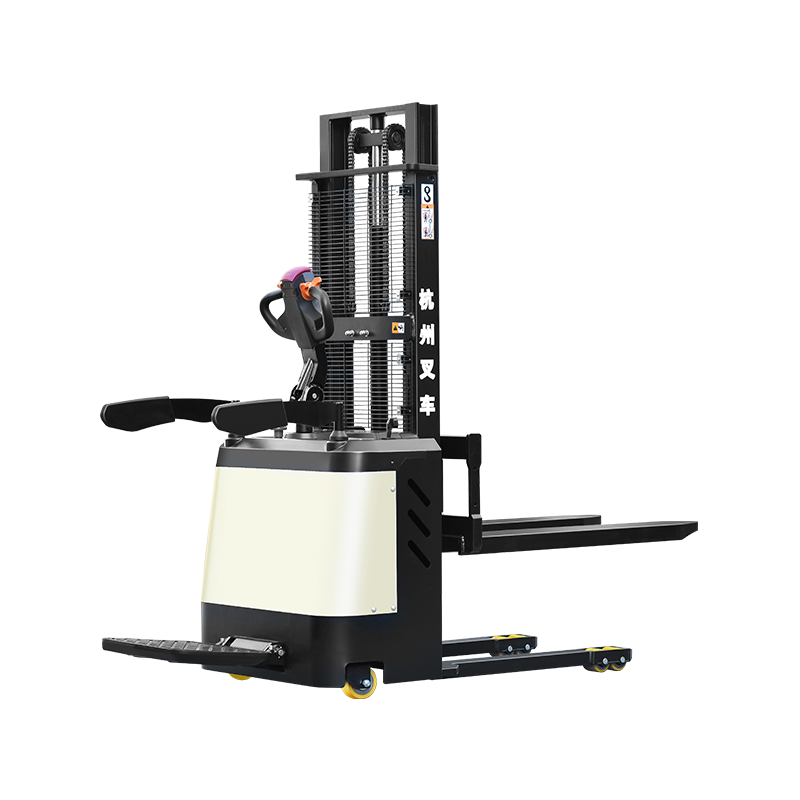
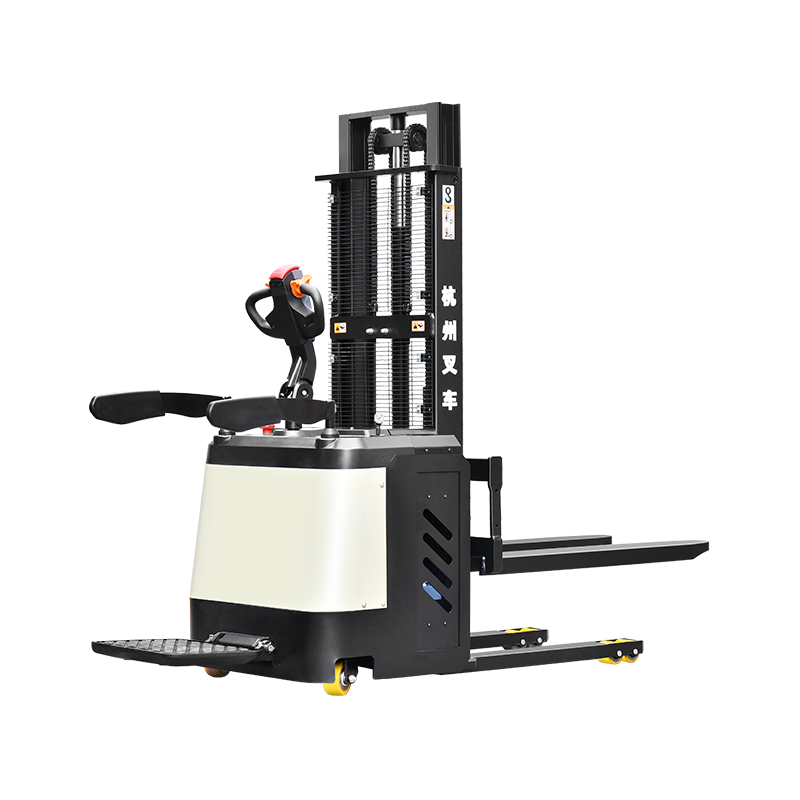
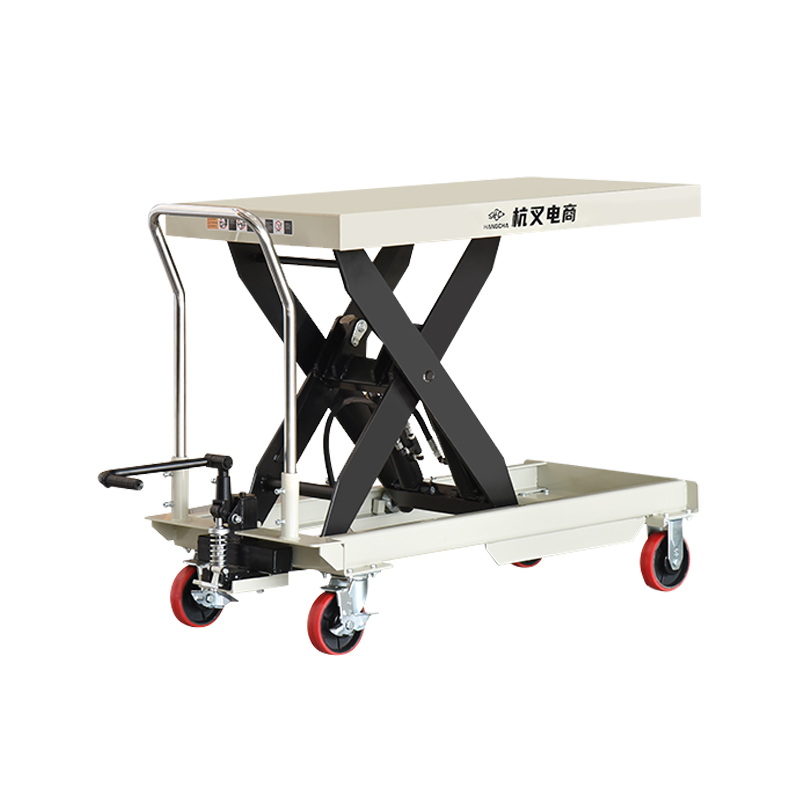
Practical guidelines for operators and fleet managers across different forklift types
Tilt Angle — the forward and backward mast inclination — is one of the most critical yet often overlooked parameters in forklift operation. Proper tilt angle management not only stabilizes loads but also improves operator efficiency, reduces wear on the mast and forks, and minimizes accident risk.
For operators, understanding tilt angle ranges for different forklift types, and how to measure and apply them in daily operations, can significantly impact both safety and productivity.
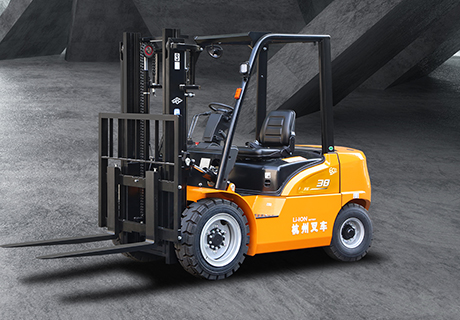
Different forklifts require distinct tilt strategies based on mast design, load capacity, and operating environment:
| Forklift Type | Forward Tilt (°) | Backward Tilt (°) | Notes / Application |
|---|---|---|---|
| Electric / Cushion Tire (Indoor) | 2–3 | 5–6 | Ideal for narrow aisle stacking; limited mast height |
| Diesel / LPG Pneumatic (Outdoor) | 3–4 | 6–8 | Handles uneven terrain; extra tilt needed for stability |
| Reach Truck | 0–2 | 5–7 | Precision stacking; mast extends into racking |
| Container / High Lift Forklift | 1–2 | 8–10 | Full Free Lift / Triplex mast; stabilizes high loads |
| Heavy-Duty / Industrial Forklift | 0–2 | 5 | Large loads; minimal forward tilt, slight backward tilt for traction |
Tip: In almost all operations, backward tilt is larger than forward tilt to prevent load sliding.
Forward Tilt: 3° ~ 6°
Backward Tilt: 10° ~ 12°
Visual Indicators
Most forklifts include simple tilt gauges on the mast. Operators can visually align forks with floor markings or pallet edges to estimate the angle.
Digital Inclinometers
Portable inclinometers or levels attached to the fork face give accurate degree measurements — especially useful for training or high-rack operations.
Built-In Mast Sensors
Modern electric or smart forklifts often have tilt sensors that display real-time angles on the dashboard. Fleet managers can log tilt usage for preventive maintenance and operator training.
Practical Training Method
Always verify tilt limits per manufacturer specifications, as mast stage (Duplex vs Triplex) and forklift model may restrict tilt angles.
Insight: Operators who monitor tilt angles regularly can improve mast and fork lifespan by 10–15% and reduce downtime from load accidents.
Conclusion
Tilt angle is more than just a mechanical parameter — it is a key operational metric that impacts safety, efficiency, and total cost of ownership. For B2B forklift operators and fleet managers, understanding tilt ranges by forklift type and applying practical measurement methods ensures:
Even small adjustments — 1–2 degrees — can make a measurable difference in daily performance.

+86-0571-88131206

+86-19084200370

+86-17816721301
 عربى
عربى