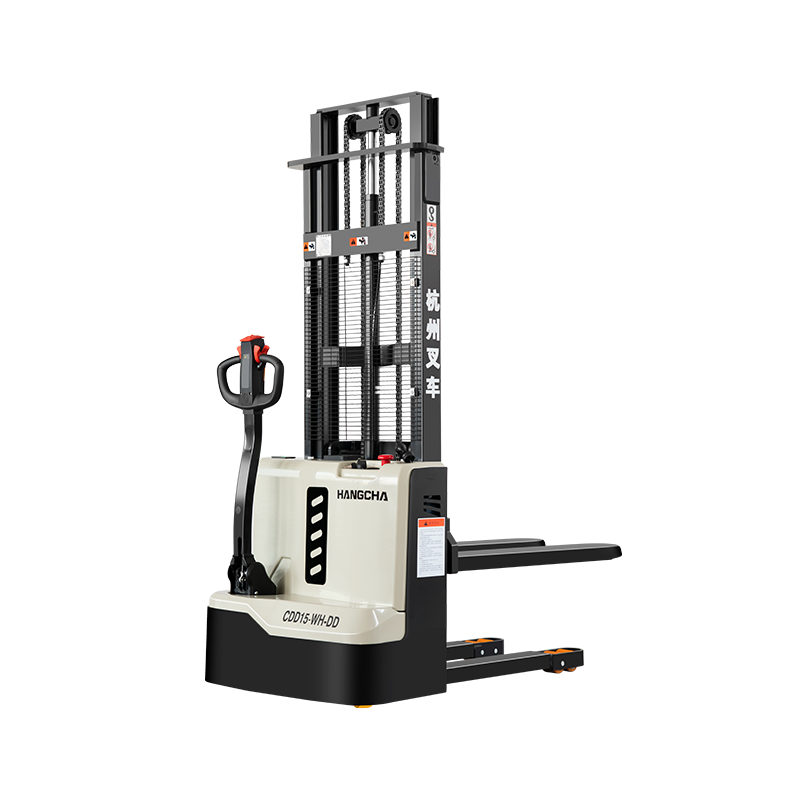
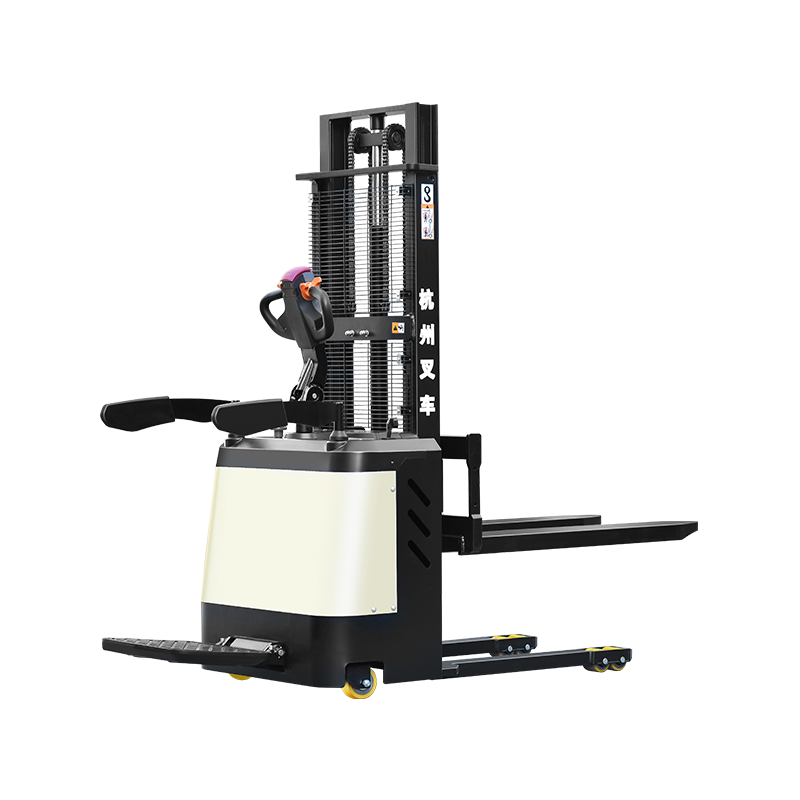
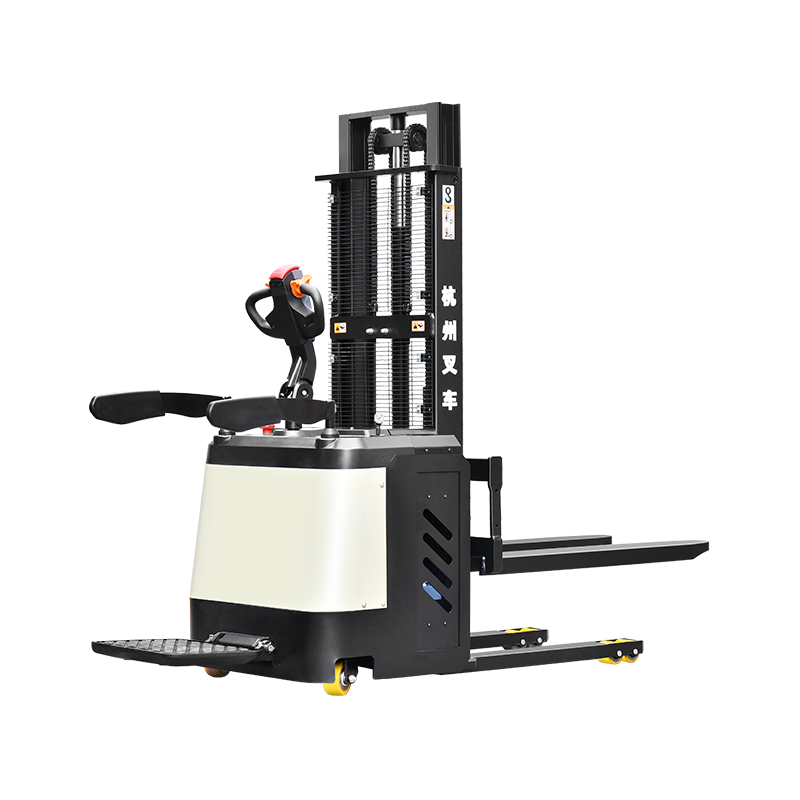
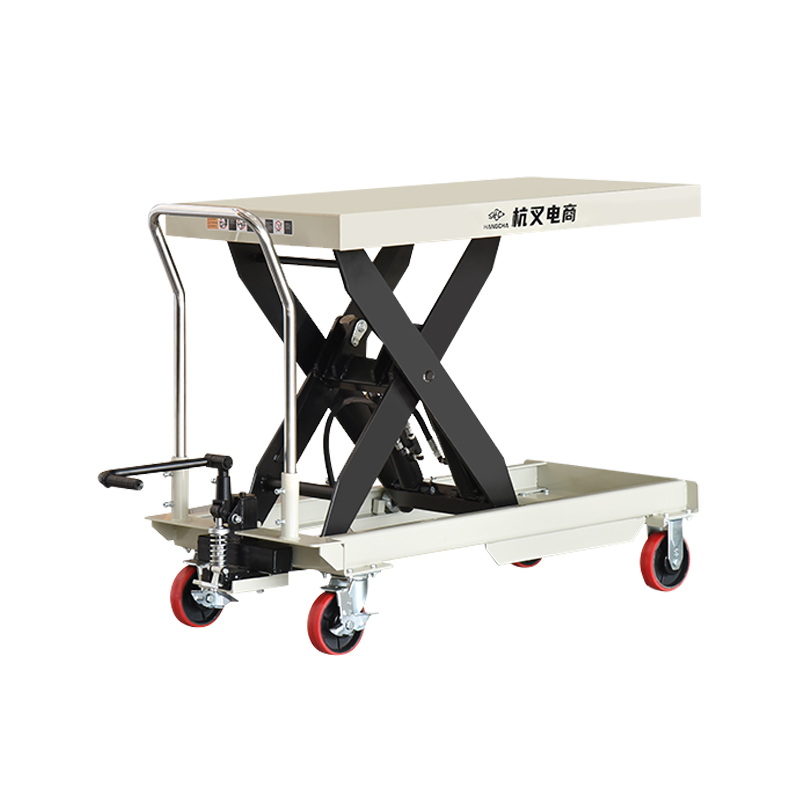
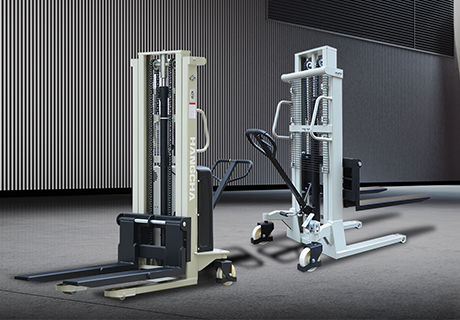
Pallet stackers, forklifts, and reach trucks are the three most common warehouse lifting machines.
The main differences lie in lifting height, load capacity, maneuverability, and application environment.
Choosing the right equipment depends mainly on warehouse layout, rack height, and load weight.
| Equipment | Typical Capacity | Lift Height | Aisle Width | Best Use Case |
|---|---|---|---|---|
| Pallet Stacker | 1–2 tons | 2–4.5 m | Narrow | Small warehouses |
| Forklift | 2–5 tons | 3–6 m | Wide | Outdoor / heavy loads |
| Reach Truck | 1.5–2.5 tons | 6–12 m | Very narrow | High rack warehouses |
Key takeaway:
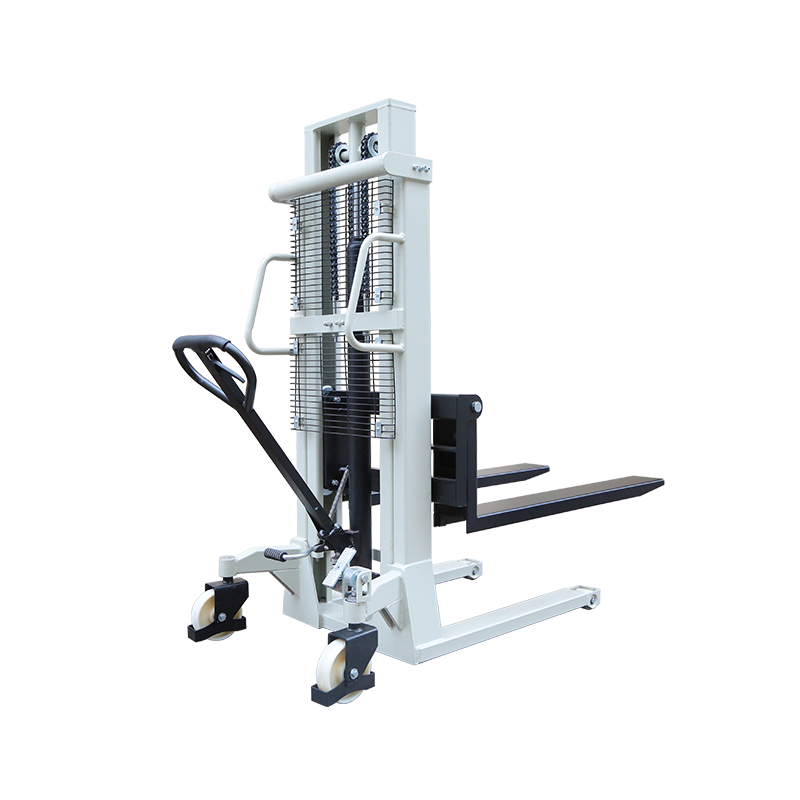
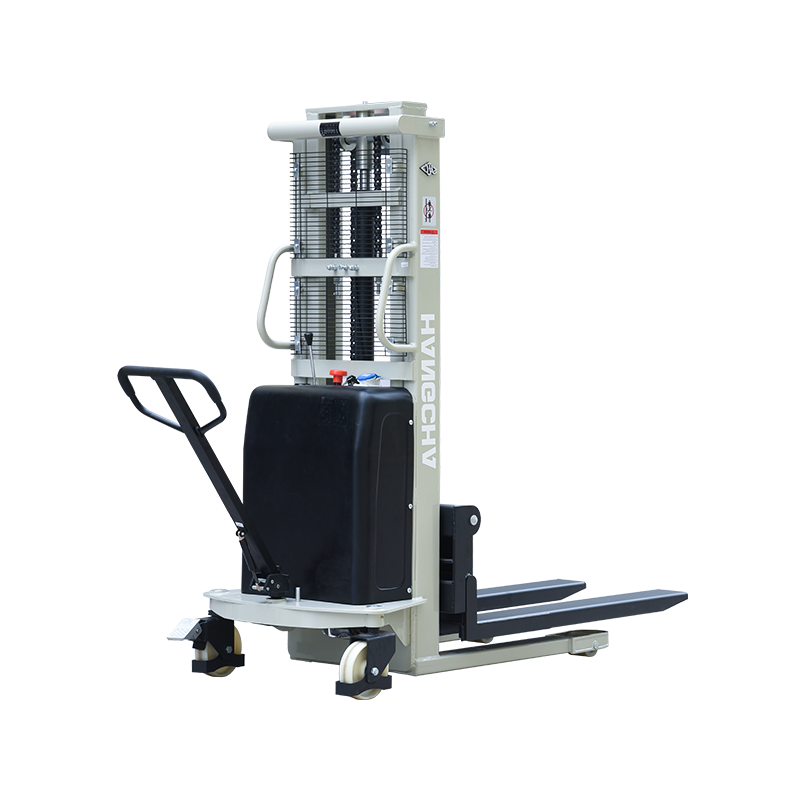
A pallet stacker is designed for short-distance pallet transport and medium-height stacking.
| Parameter | Typical Value |
|---|---|
| Rated Capacity | 1000–2000 kg |
| Lift Height | 1600–4500 mm |
| Travel Speed | 4–6 km/h |
| Turning Radius | 1300–1600 mm |
Stackers are commonly used in:
A forklift truck is the most powerful and versatile material handling machine.
| Parameter | Typical Value |
|---|---|
| Rated Capacity | 2000–5000 kg |
| Lift Height | 3000–6000 mm |
| Travel Speed | 12–20 km/h |
| Turning Radius | 2000–2500 mm |
Forklifts are widely used in:
A reach truck is designed specifically for high-density storage systems.
Its key feature is the extendable mast, allowing the forks to reach deep into pallet racks.
| Parameter | Typical Value |
|---|---|
| Rated Capacity | 1500–2500 kg |
| Lift Height | 6000–12000 mm |
| Travel Speed | 8–12 km/h |
| Turning Radius | 1600–1800 mm |
Reach trucks are commonly used in:
| Equipment | Maximum Height |
|---|---|
| Pallet Stacker | ~4.5 m |
| Forklift | ~6 m |
| Reach Truck | up to 12 m |
Reach trucks dominate high-rack logistics systems.
| Equipment | Capacity Range |
|---|---|
| Stacker | Light |
| Forklift | Heavy |
| Reach Truck | Medium |
Forklifts are designed for heavy industrial loads.
| Equipment | Aisle Requirement |
|---|---|
| Forklift | Wide aisles |
| Stacker | Medium |
| Reach Truck | Very narrow aisles |
Reach trucks allow high-density storage layouts.
When selecting material handling equipment, consider:
1. Maximum load weight
Heavy loads require forklifts.
2. Rack height
Warehouses above 6 meters usually need reach trucks.
3. Aisle width
Narrow aisles favor stackers or reach trucks.
4. Operating environment
| Environment | Recommended Equipment |
|---|---|
| Indoor small warehouse | Pallet stacker |
| Outdoor logistics yard | Forklift |
| High rack warehouse | Reach truck |
Pallet stackers, forklifts, and reach trucks serve different roles in warehouse logistics.
Understanding these differences helps businesses improve warehouse efficiency, safety, and space utilization.
Pallet stackers, forklifts, and reach trucks serve different roles in warehouse material handling.
The key differences involve load capacity, lift height, aisle requirements, maneuverability, and operating environments. Understanding these distinctions helps businesses choose the most efficient equipment for their logistics operations.
| Feature | Pallet Stacker | Forklift | Reach Truck |
|---|---|---|---|
| Typical Capacity | 1–2 tons | 2–5 tons | 1.5–2.5 tons |
| Maximum Lift Height | 2–4.5 m | 3–6 m | 6–12 m |
| Aisle Width Required | Narrow | Wide | Very narrow |
| Operating Environment | Indoor | Indoor & outdoor | Indoor only |
| Turning Radius | Small | Large | Medium |
| Travel Speed | Slow–medium | Fast | Medium |
| Operator Type | Walk-behind / ride-on | Seated driver | Seated operator |
| Warehouse Density | Medium | Low | High |
| Typical Application | Small warehouses | Heavy industrial work | High-rack storage |
| Equipment Cost | Low | Medium–high | High |
Selecting the right equipment depends primarily on load weight, rack height, and warehouse layout.

+86-0571-88131206

+86-19084200370

+86-17816721301
 عربى
عربى