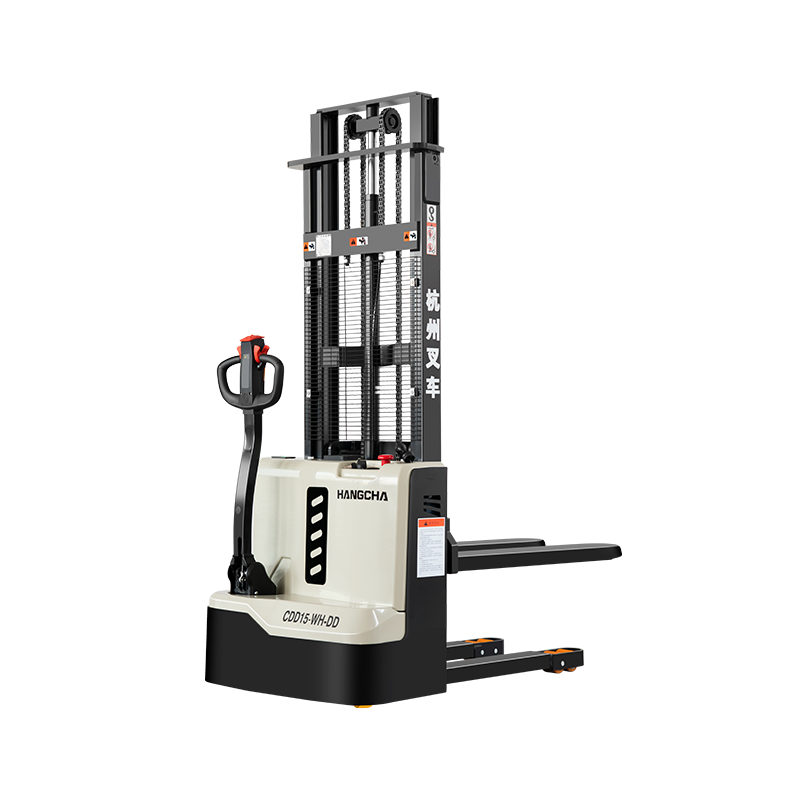
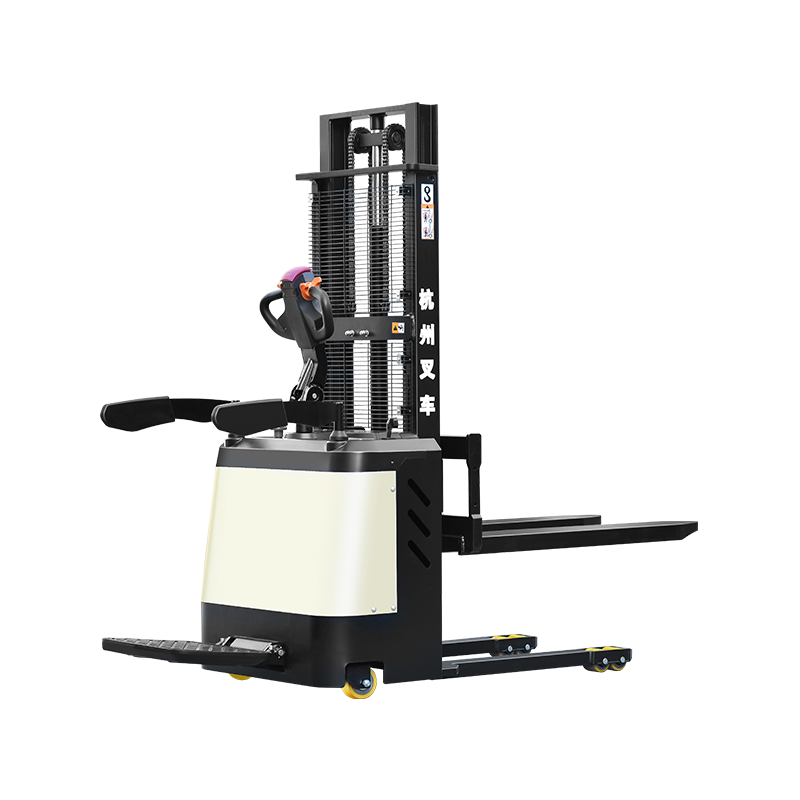
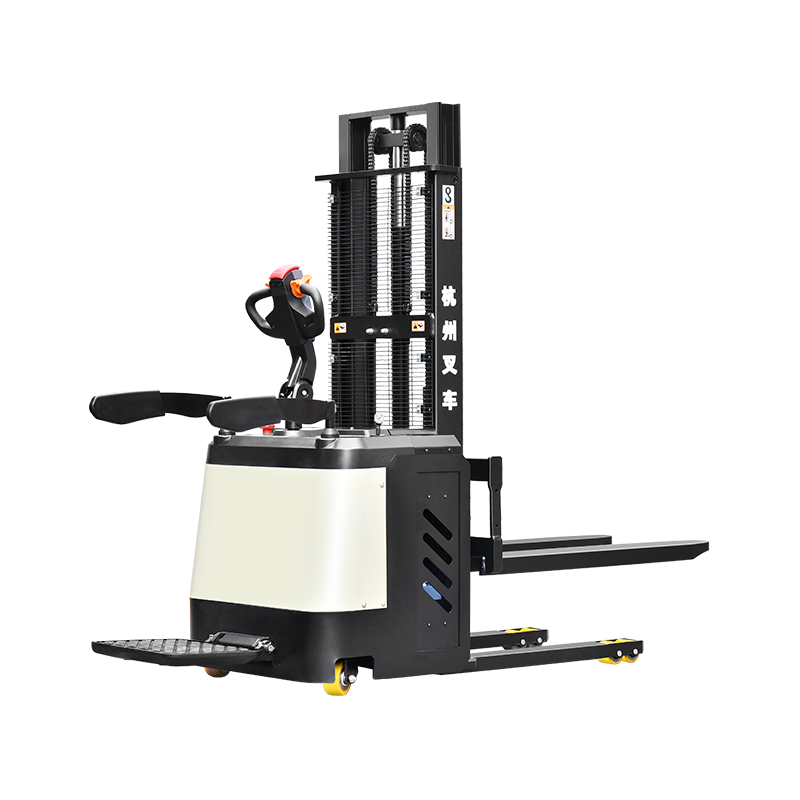
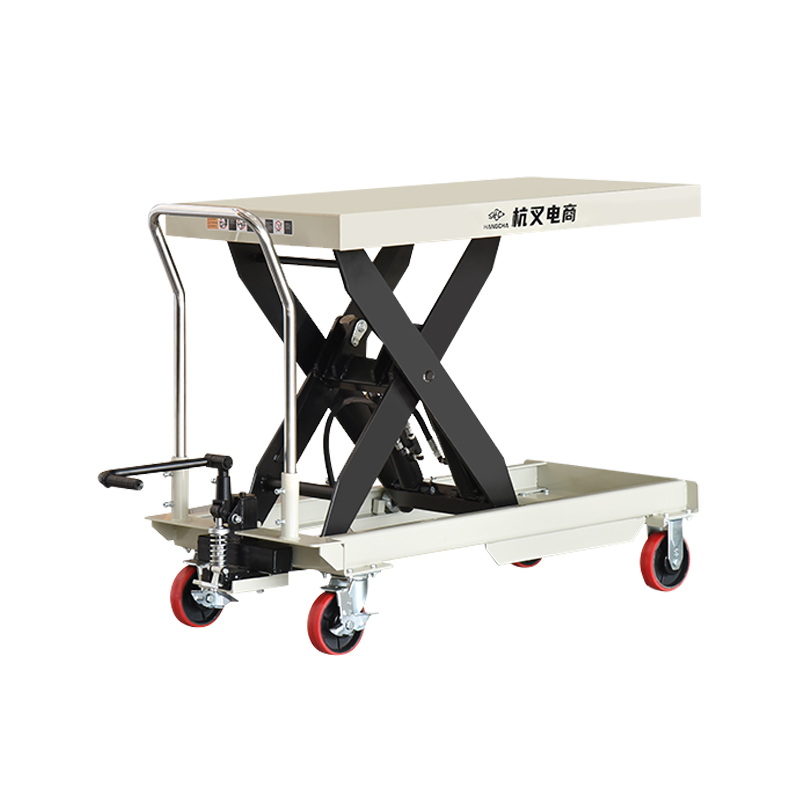
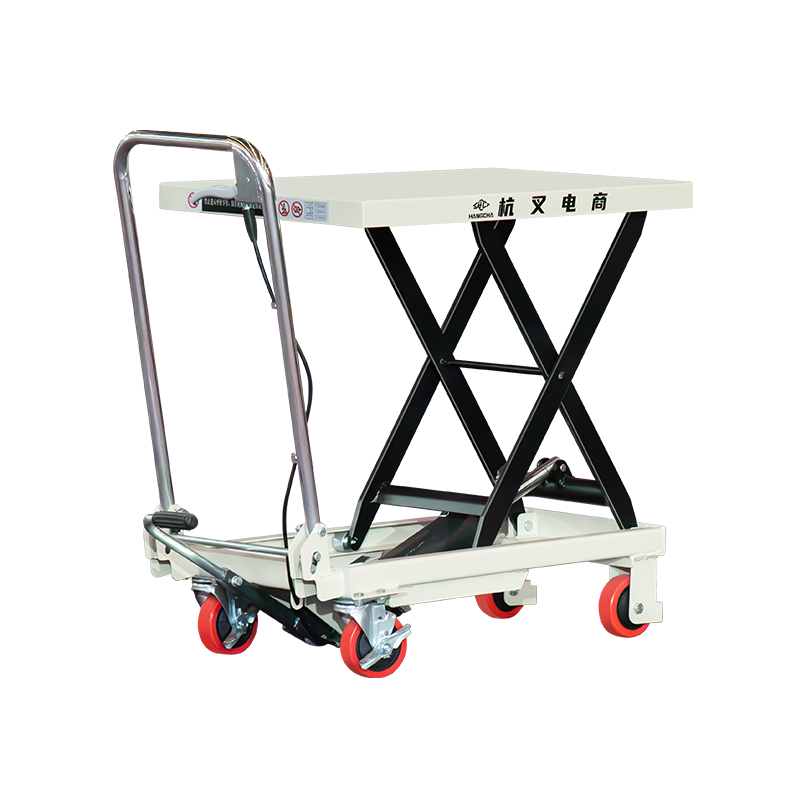
Residual capacity determines the real lifting ability of a forklift at height, and it can decrease by 30–50% compared to rated capacity.
As warehouse racking systems exceed 8–12 meters, understanding residual capacity is critical for safety, equipment selection, and operational efficiency.
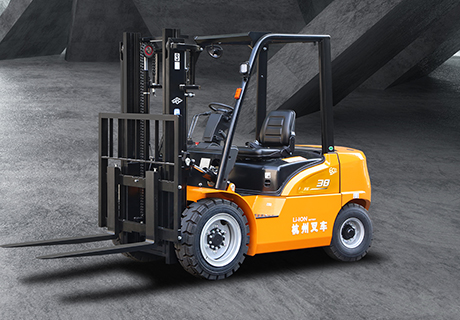
Residual capacity is the actual load a forklift can safely lift at a specific height and load center.
Key Insight:
Rated capacity ≠ real working capacity
Result: Residual capacity becomes a decision-critical parameter
| Parameter | Rated Capacity | Residual Capacity |
|---|---|---|
| Condition | Standard (low height) | Real working condition |
| Stability | Ideal | Reduced at height |
| Usage | Marketing spec | Engineering decision |
| Risk Level | Low | High if ignored |
Higher lift → lower stability → reduced capacity
Longer load → higher load moment → lower capacity
More stages = more flexibility but also more deflection
Add weight → reduce effective capacity
Forklift rated at 2,000 kg:
| Lift Height | Residual Capacity |
|---|---|
| Ground level | 2,000 kg |
| 4 meters | 1,700 kg |
| 8 meters | 1,300 kg |
| 10 meters | 1,000 kg |
Up to 50% capacity loss at high lift
Ignoring residual capacity can lead to:
Strong link with Stability Triangle concept
Located on the forklift body
Shows capacity vs height
Includes detailed capacity curves
Modern forklifts display real-time load data
For buyers and fleet managers:
Residual capacity is becoming more important than rated capacity in modern logistics.
As warehouses grow taller and denser, companies that ignore this parameter risk:
Residual capacity reflects real-world forklift performance, especially in high-rack environments.
Understanding and applying this parameter helps businesses achieve:

+86-0571-88131206

+86-19084200370

+86-17816721301
 عربى
عربى