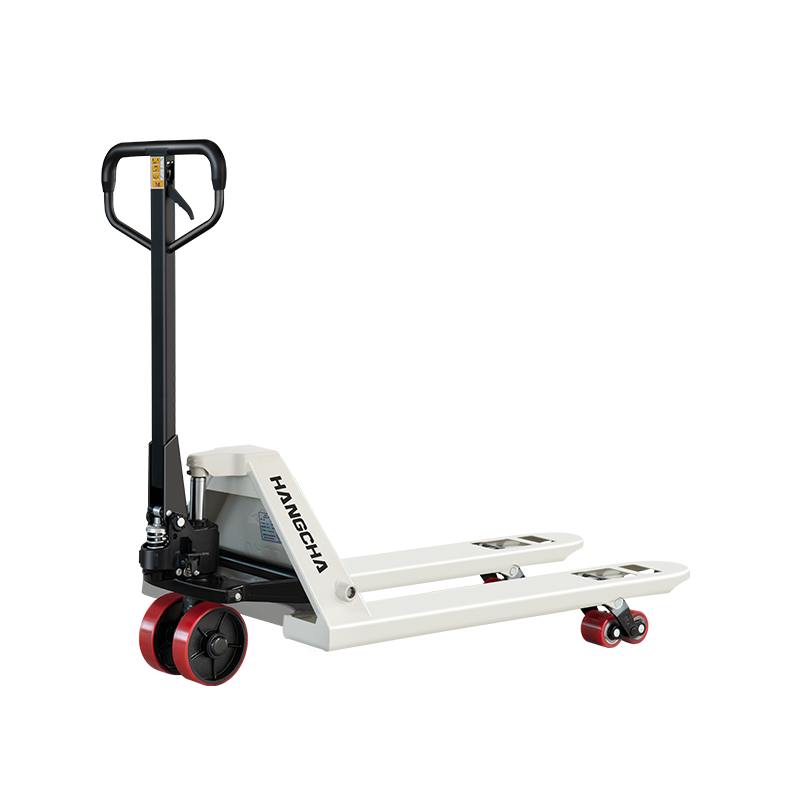
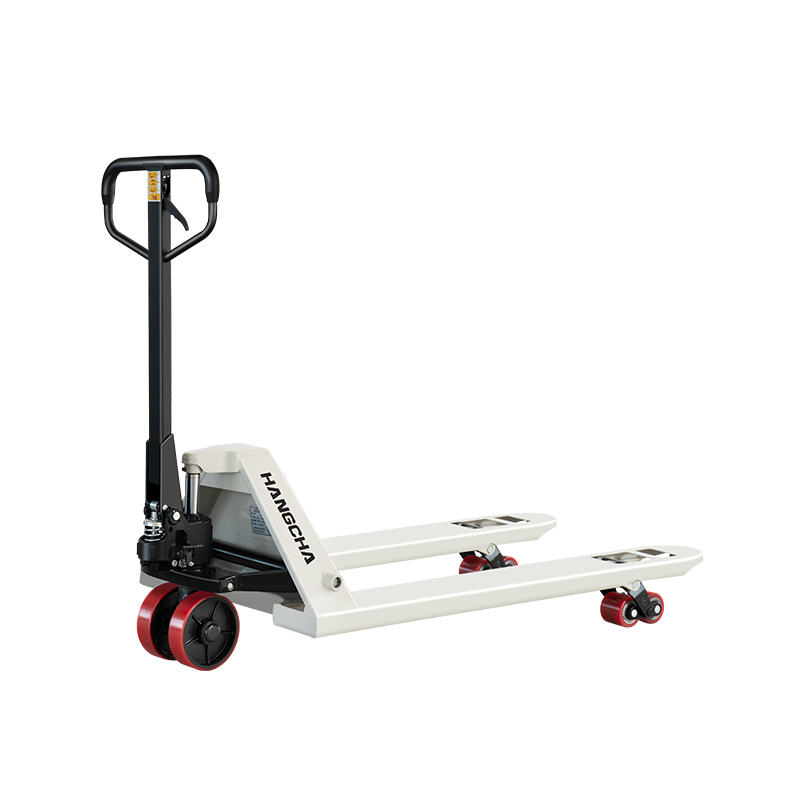
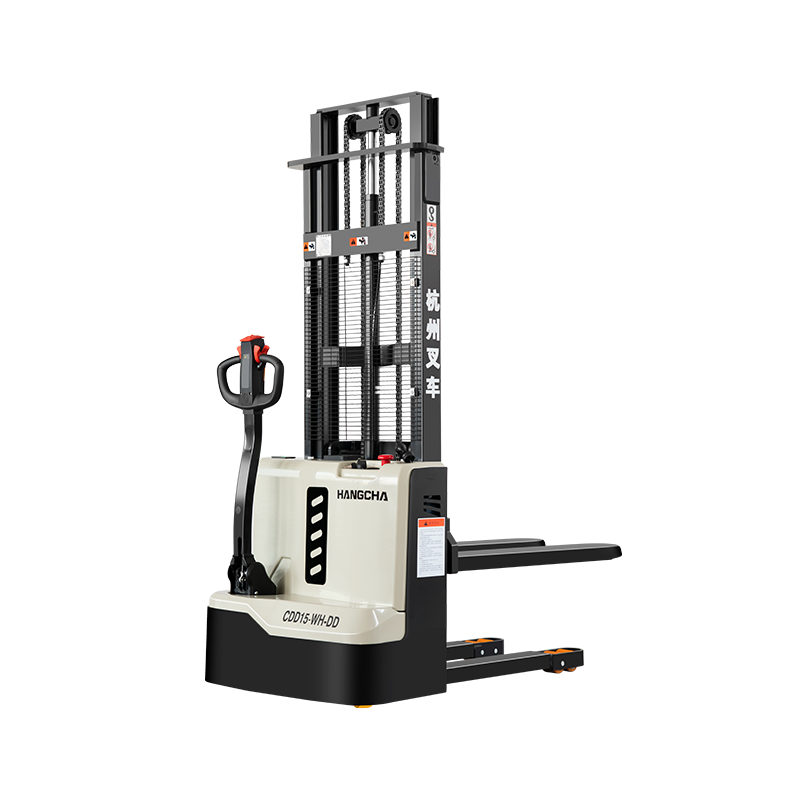
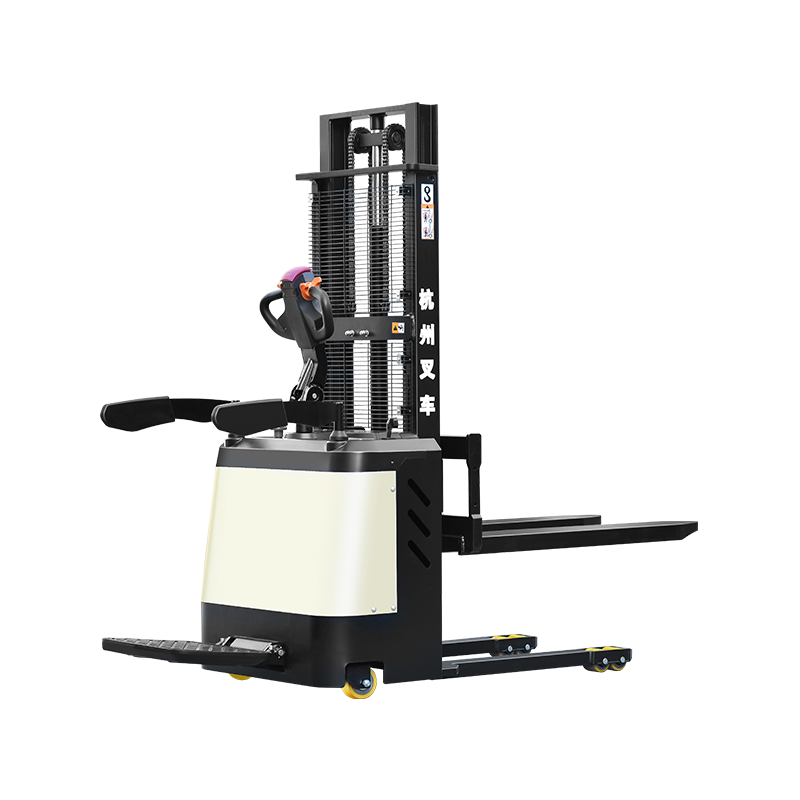
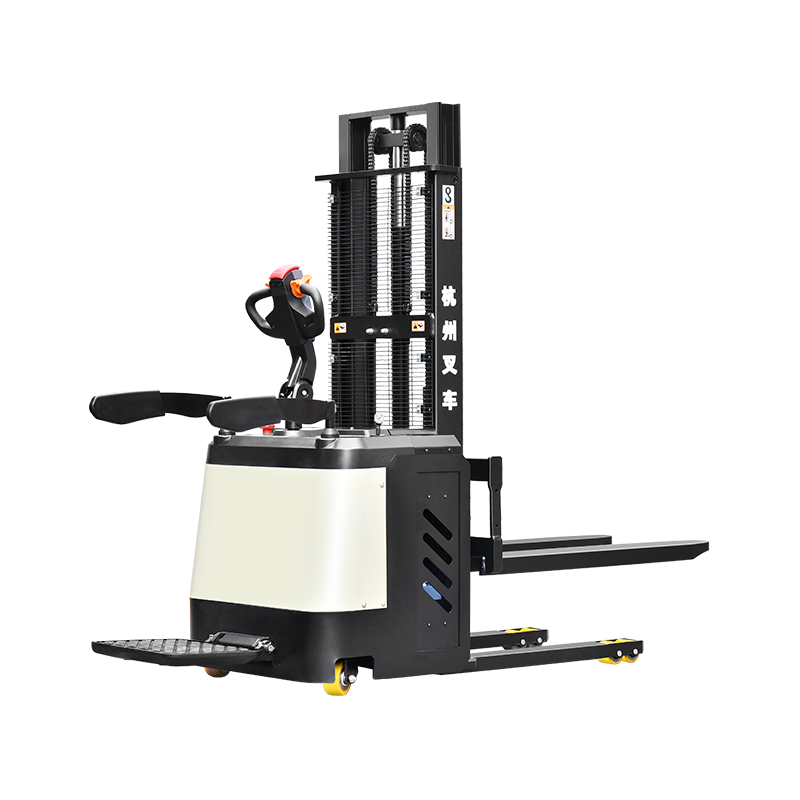
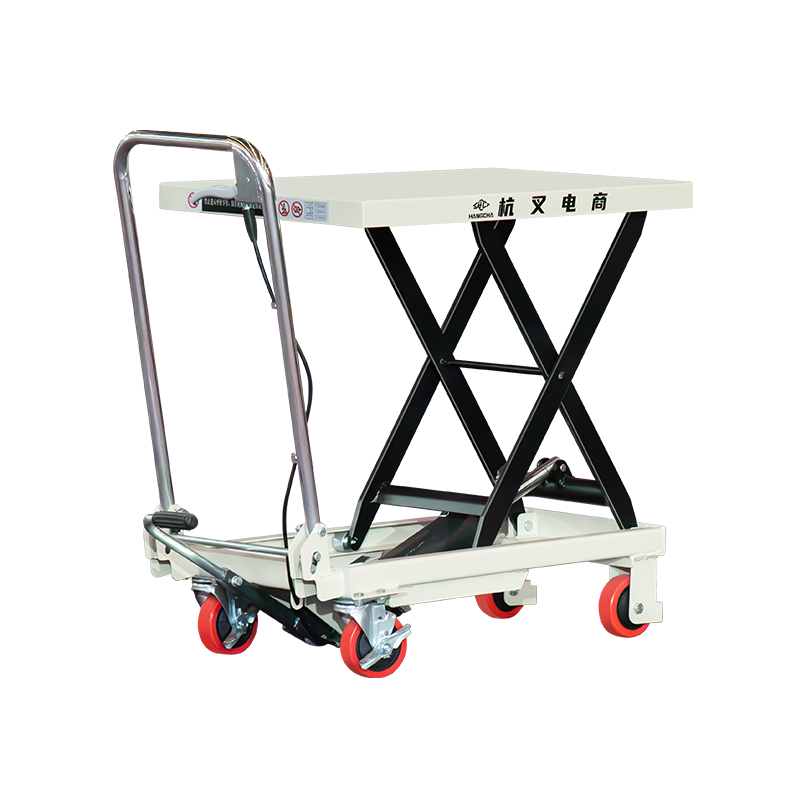
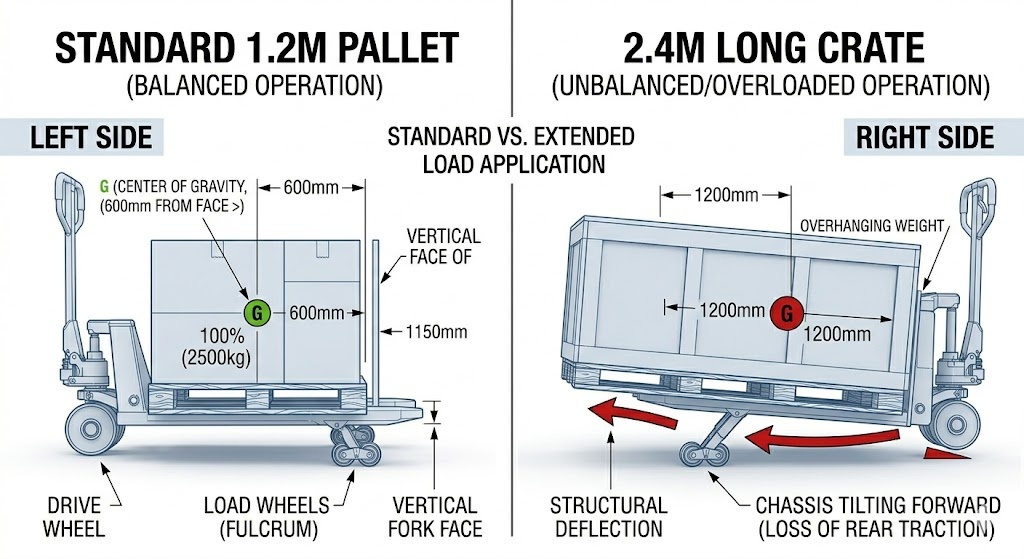
A pallet truck’s rated capacity is only valid when the load’s center of gravity aligns with the manufacturer’s specified load center, typically 600 mm. Operating beyond this distance triggers Load Derating, significantly reducing the safe lifting limit to prevent hydraulic failure and tipping. For every 100 mm the load center moves forward, the actual lifting capacity can drop by 15% to 20%.
The Load Center (LC) is the horizontal distance from the vertical face of the forks to the center of gravity of the cargo. In global material handling, 600 mm is the standard benchmark because it represents the midpoint of a standard 1200 mm pallet.
The Role of the 600 mm Industry Standard
Most industrial pallets (GMA or Euro-pallets) are 1200 mm deep. Placing the weight evenly ensures the Center of Gravity (CoG) sits exactly at the 600 mm mark. If you use longer forks to carry two pallets or oversized crates, the CoG shifts toward the fork tips, turning the pallet truck into an unstable lever.
The Lever Principle and the Fulcrum Point
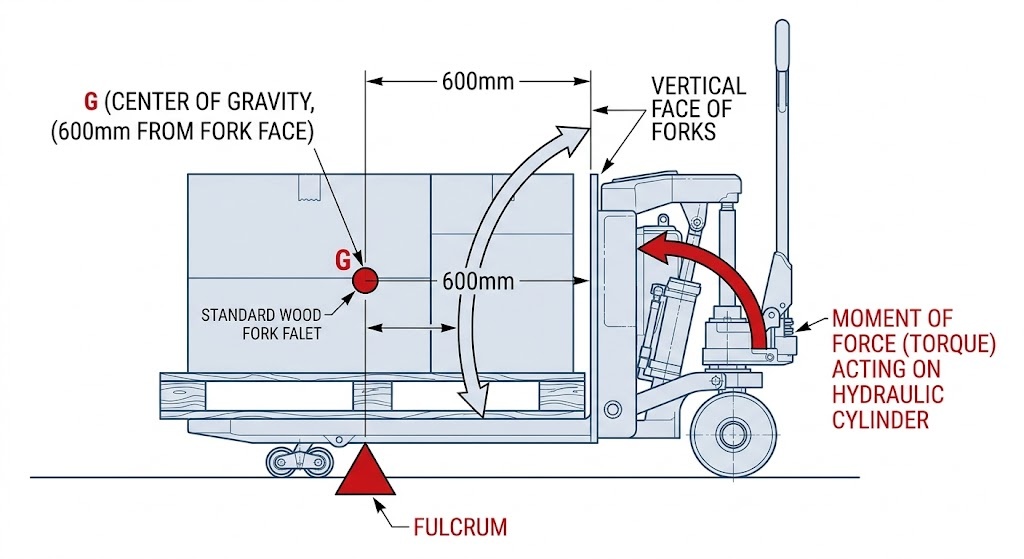
A pallet truck operates as a Class 1 Lever. The front load wheels act as the Fulcrum. When the distance between the load and the fulcrum increases, the downward force (torque) exerted on the hydraulic system and the chassis increases exponentially, even if the weight of the cargo remains the same.
| Load Positioning | Center of Gravity (CoG) | System Stress Level | Stability Rating |
|---|---|---|---|
| Standard Pallet | 600 mm | Nominal | High |
| Double Pallet | 1200 mm | Extreme | Critical |
| Oversized Crate | 900 mm | Elevated | Moderate |
Load Derating is the calculated reduction in a machine’s maximum lifting capacity as the load center increases. This is a non-linear relationship dictated by the Principle of Moments. When the load moves away from the fork root, the mechanical advantage shifts, placing excessive stress on the hydraulic seals and the chassis.
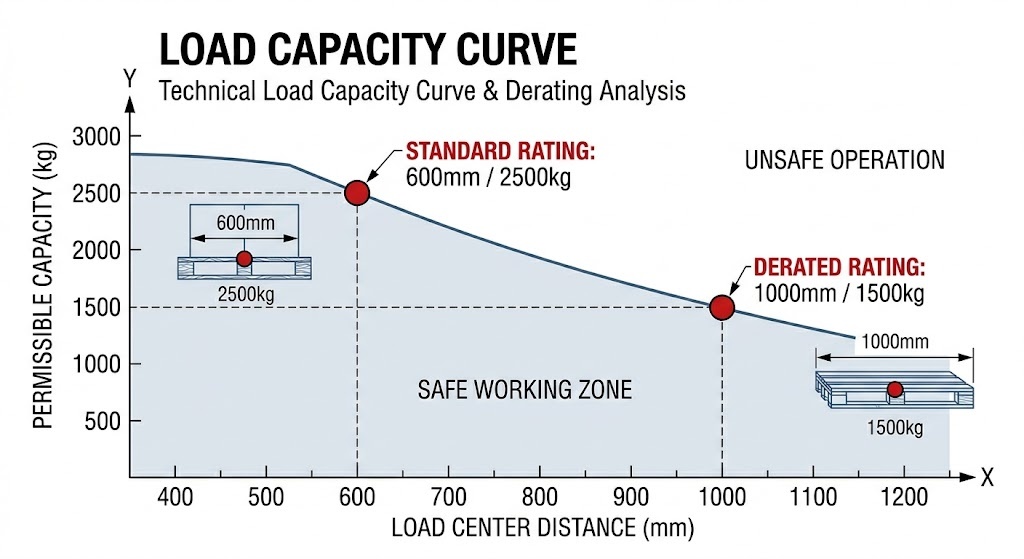
| Load Center (LC) | Rated Capacity | Actual Safe Working Load (SWL) | Structural Impact |
|---|---|---|---|
| 600 mm | 2500 kg | 2500 kg | Optimal Hydraulic Pressure |
| 800 mm | 2500 kg | ~1875 kg | Increased Stress on Fork Root |
| 1000 mm | 2500 kg | ~1500 kg | Risk of Permanent Frame Warp |
| 1200 mm | 2500 kg | ~1250 kg | Critical Tipping Danger |
The Derating Calculation Logic
To estimate the safe capacity for non-standard loads, professionals use the ratio of the design moment to the actual moment.
Formula: Actual Capacity = (Rated Capacity * Standard Load Center) / New Load Center
Example: For a 2500 kg truck attempting to lift a crate with a 1000 mm load center:
(2500 * 600) / 1000 = 1500 kg.
Unlike four-wheel forklifts, a pallet truck relies on a specific geometry to maintain balance. The Stability Triangle is formed by the drive wheel (or steering wheels) and the two front load wheels.
The Impact of Center of Gravity (CoG)
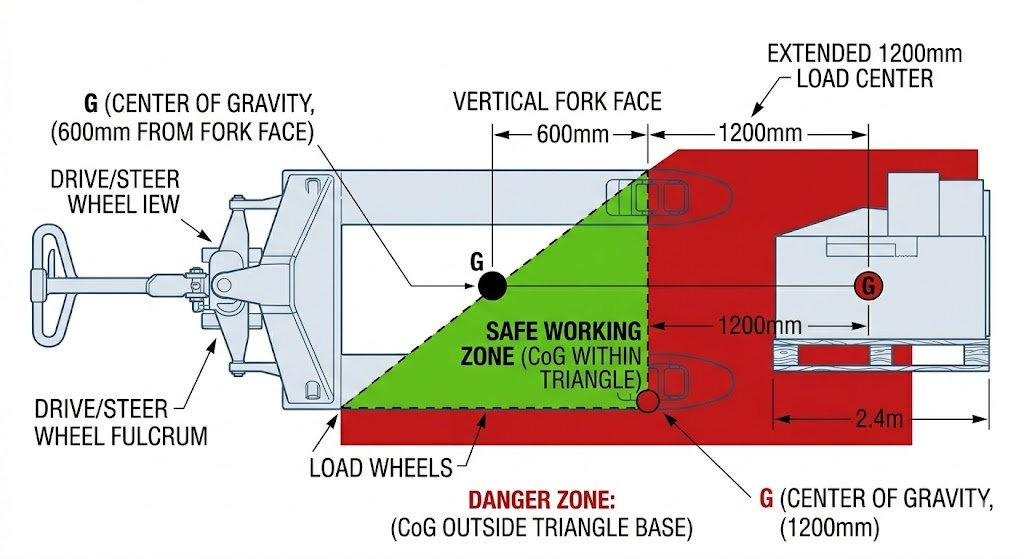
The CoG must remain within this triangle at all times. When a load center is extended, the CoG moves toward the “base” of the triangle (the load wheels). Any external force—such as Gradeability (navigating a 5% ramp) or centrifugal force during a sharp turn—can push the CoG outside the footprint, leading to a lateral tip-over or a forward pitch.
Dynamic Factors Affecting Stability
Choosing a pallet truck based on Rated Capacity alone is a common procurement error. High-performance environments require matching the Residual Capacity to the specific load profile of the industry.
Standard Warehousing (FMCG)
Construction & Heavy Manufacturing
Cold Chain & Pharmaceutical
Q1: Can I lift a 2000kg load if my pallet truck is rated for 2500kg?
Answer: Yes, but only if the load center is 600mm or less. If you are lifting a non-standard or oversized load where the center of gravity exceeds 600mm, the Load Derating effect reduces your actual safe capacity. For example, at a 1000mm load center, a 2500kg truck can only safely handle approximately 1500kg.
Q2: How does fork length affect the stability of a pallet truck?
Answer: Fork length dictates the positioning of the Fulcrum Point. While longer forks (e.g., 1800mm) allow for oversized cargo, they shift the load’s center of gravity further away from the drive wheel. This increases the Moment of Force on the hydraulic system and moves the Center of Gravity (CoG) toward the edge of the Stability Triangle, increasing the risk of tipping.
Q3: What is “Residual Capacity” in material handling?
Answer: Residual Capacity is the actual lifting capacity of the equipment in a specific, non-standard configuration. Unlike the Nominal Rated Capacity (the maximum weight under ideal conditions), residual capacity accounts for derating factors such as extended load centers, the use of attachments, or high-lift elevations.
Q4: Why does my electric pallet truck lose traction when carrying long loads?
Answer: This is usually due to Chassis Tilting caused by an extended load center. When the cargo’s weight is concentrated too far forward (beyond the front load wheels), it creates a leverage effect that lifts the rear drive wheel. This reduces the downward pressure required for traction, leading to wheel spin and compromised braking.

+86-0571-88131206

+86-19084200370

+86-17816721301
 عربى
عربى