OSHA's core forklift law is 29 CFR 1910.178. It requires certified operators (18+), pre-shift inspections every shift, and documented training refreshed every 3 years. In 2026, two active National Emphasis Programs (NEPs) allow unannounced warehouse inspections. Serious violations cost up to $16,550 per citation; willful violations up to $165,514. Fine amounts are typically adjusted annually in January based on inflation.
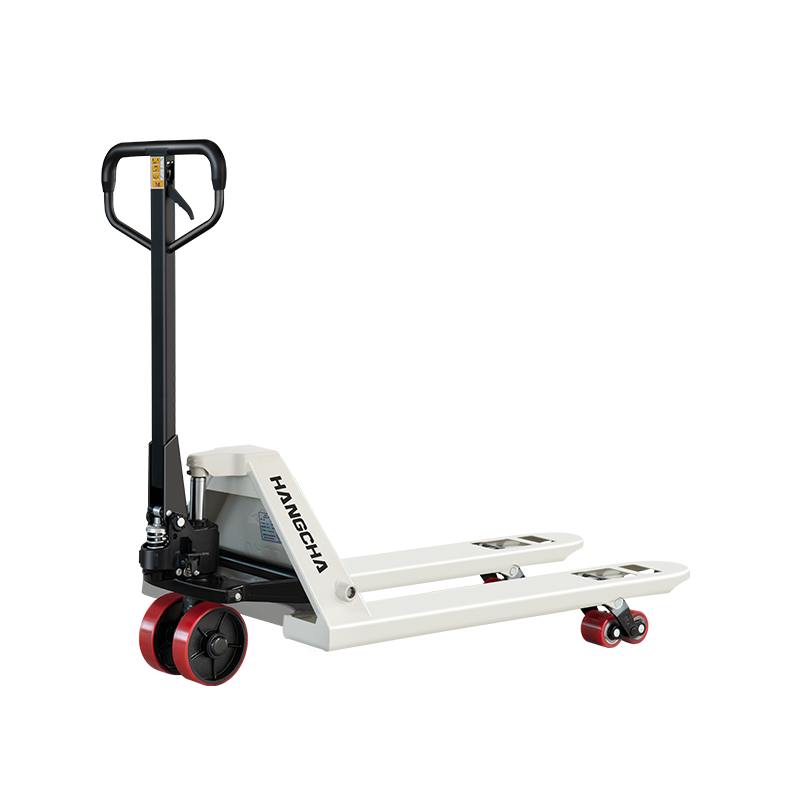
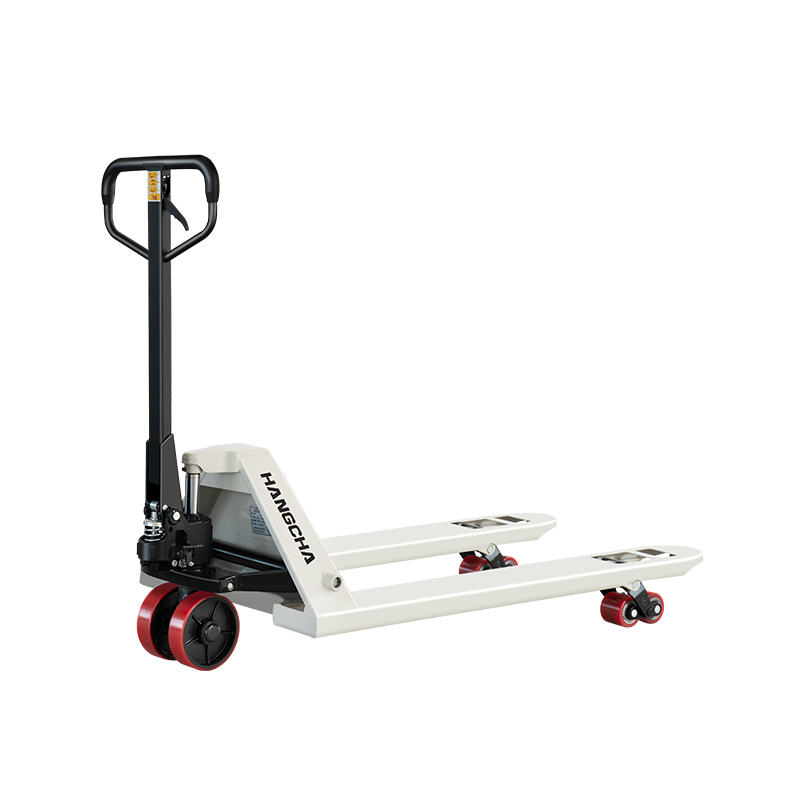
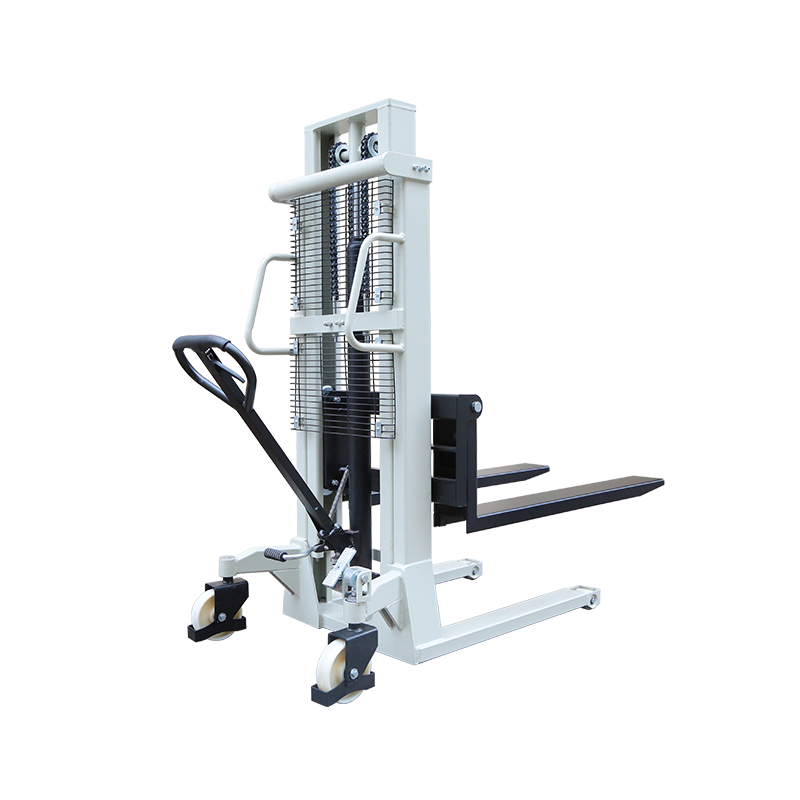
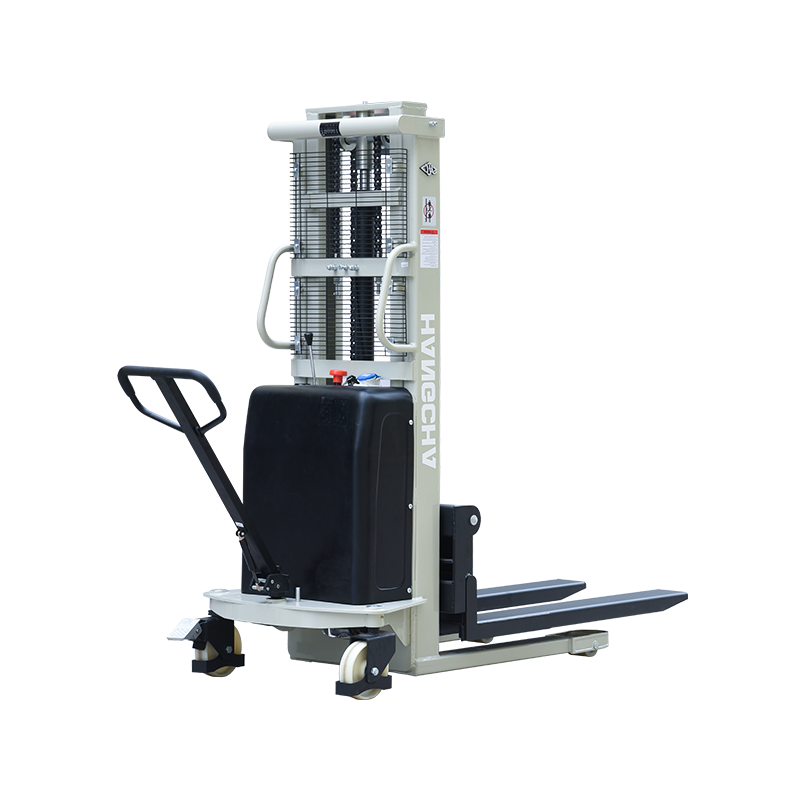
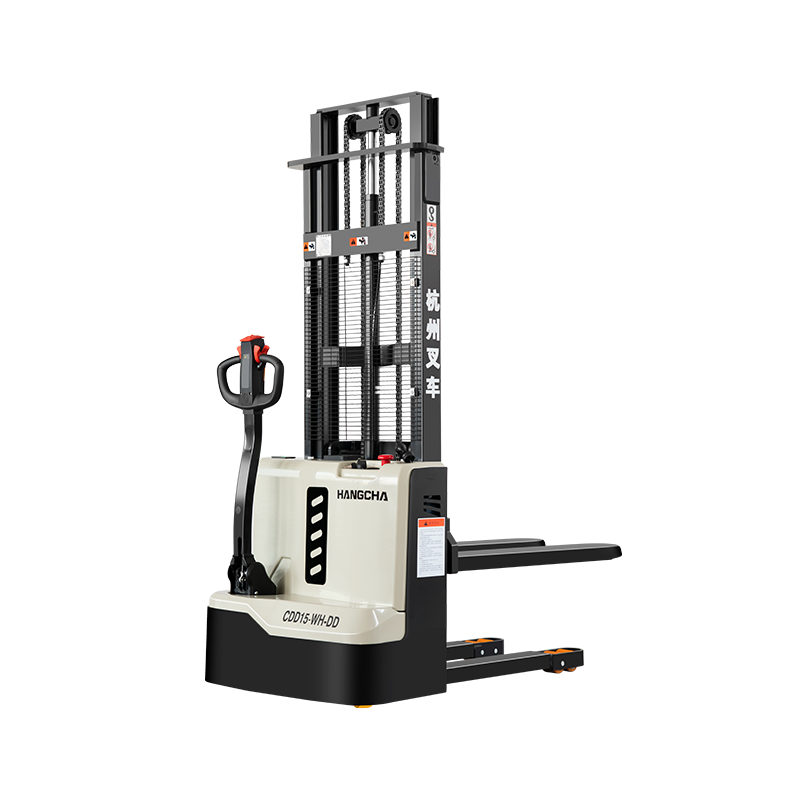
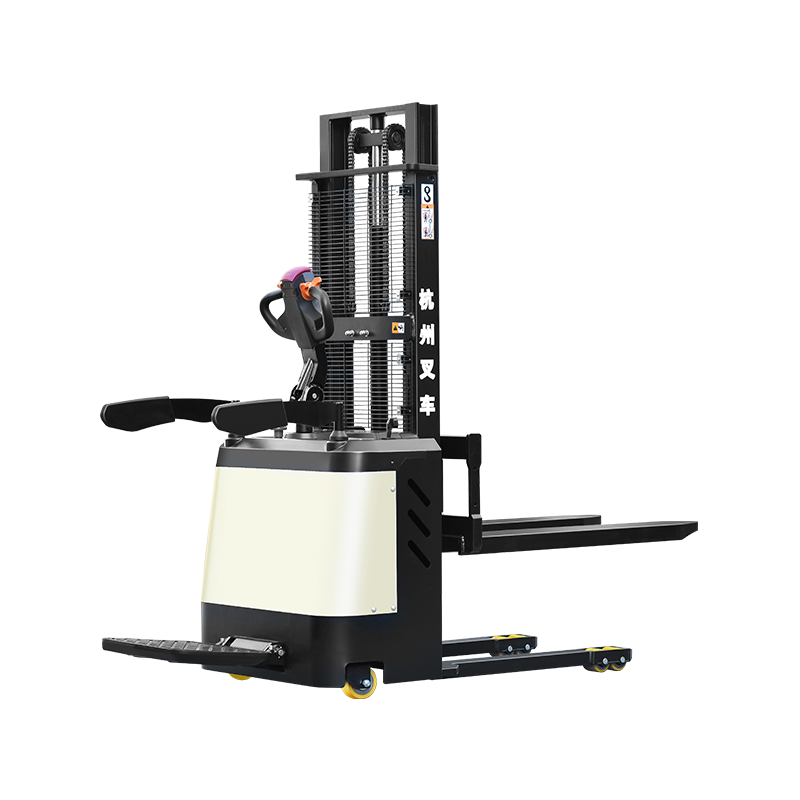
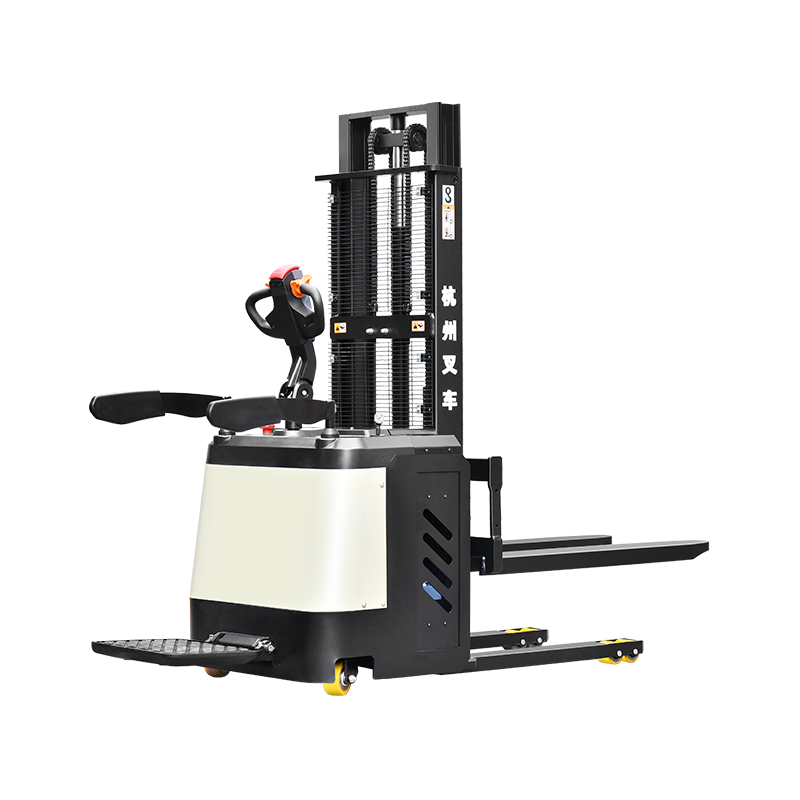
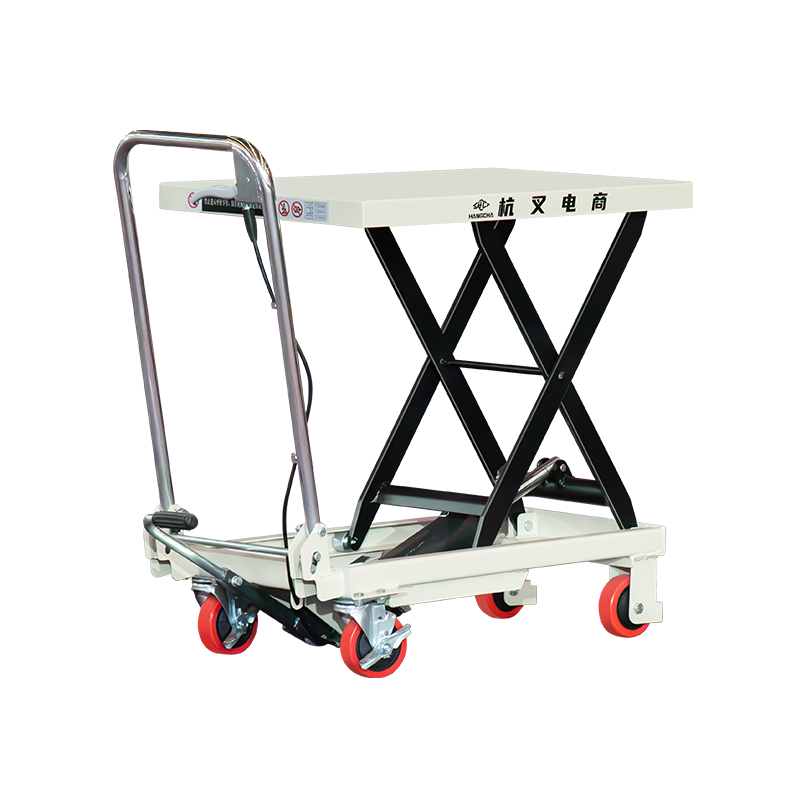
29 CFR 1910.178 — formally titled Powered Industrial Trucks — is the single federal standard governing forklift design, maintenance, operation, and training in US general industry. It covers all equipment that lifts, carries, pushes, pulls, or stacks materials using an electric motor or internal combustion engine: counterbalance forklifts, reach trucks, pallet jacks, order pickers, and more.
The regulation assigns eleven truck designations (D, DS, DY, E, ES, EE, EX, G, GS, LP, LPS) based on power source and environmental hazard level — an EX-rated truck for flammable atmospheres is a fundamentally different compliance category than a standard E-rated electric. Every unit must bear an approval label from a nationally recognized testing laboratory (NRTL) confirming it meets ANSI/ITSDF B56.1 construction standards.
One often-overlooked clause: any modification that affects capacity or safe operation requires the manufacturer's prior written approval — and capacity plates must be updated accordingly. Swapping forks, adding a side-shifter, or fitting an aftermarket attachment without that approval is a citable offense even if the truck performs fine.
The underlying law hasn't changed — but where and how OSHA deploys inspectors has shifted significantly. Two National Emphasis Programs (NEPs) now create a credible risk of unannounced, comprehensive inspections at virtually any warehouse or distribution facility.
| NEP | Trigger | What Gets Inspected | Status |
|---|---|---|---|
| Warehousing NEP CPL 03-00-026 |
High NAICS-code injury rates; no prior notice required | Powered vehicles, material handling, egress, fire protection — the whole facility | Active through mid-2026 |
| Heat NEP CPL 03-00-024 |
Heat index ≥ 80°F; indoor warehouses with poor ventilation are in scope | Heat illness prevention, engineering controls, operator rest protocols | Extended through Apr 2026; federal standard pending |
| AGV / Autonomous Trucks ANSI B56.5 |
Any facility running driverless vehicles alongside manned forklifts | Pedestrian separation, speed limits, override protocols, operator awareness training | New in 2026 enforcement scope |
| Violation Type | Maximum Fine | Common Triggers |
|---|---|---|
| Serious | $16,550 per violation | Missing operator certification, no pre-shift inspection records |
| Willful / Repeat | $165,514 per violation | Repeated failures after prior citation; documented knowledge of hazard |
| Other-than-Serious | Up to $16,550 | Administrative gaps — incomplete logs, missing labels |
OSHA does not issue forklift licenses. Certification is an employer-run process. What OSHA mandates is a structured program with three non-negotiable components:
| Requirement | Standard | Notes |
|---|---|---|
| Minimum age | 18 years | Federal law; no exceptions for non-agricultural settings |
| Initial certification | Before independent operation | Trainees may operate only under direct qualified supervision |
| Recertification cycle | Every 3 years | Or sooner — see triggers below |
| Certification scope | Per truck type | Different truck classes require separate certifications |
| Documentation | Employer-maintained records | Must be producible on demand during OSHA inspection |
Three-year recertification is the baseline. Retraining is required immediately when any of the following occur:
Under 29 CFR 1910.178(q)(7), every forklift must be inspected before each shift. 24/7 operations require an inspection after each shift. OSHA prescribes no specific form — but using a standardized checklist is the only practical way to produce consistent documentation.
A thorough inspection takes 5–10 minutes. Skipping it is the single most common citable gap found during Warehousing NEP inspections.
| Electric (Li-ion / Lead-Acid) | LPG / Propane | Diesel / Gas |
|---|---|---|
| State of charge / battery level Cable and connector condition Electrolyte level (lead-acid) Battery vent caps, no bulging PPE available for acid contact |
Tank mounting and securing straps Pressure relief valve orientation Hose and connector condition Leak check (soap test at fittings) Tank valve fully closes |
Engine oil level Coolant level Fuel system — no leaks Air filter condition Exhaust system integrity |
OSHA does not set a universal speed limit — it requires operators to travel at a safe speed for conditions. Industry practice and OSHA interpretation letters establish 5 mph as the safe ceiling in congested pedestrian areas. The key factors: floor condition, visibility, load weight, and turning radius.
The physics of forklift stability are non-intuitive: a forklift's rated capacity is calculated at a specific load center (typically 24 inches from the fork face). Move the load center outward — by using longer forks, an attachment, or an oversized pallet — and the effective capacity drops, sometimes by 30–50%. This is the root cause of a significant share of tip-over incidents.
| Condition | Effect on Rated Capacity | Action Required |
|---|---|---|
| Standard pallet at 24" load center | 100% — full rated capacity applies | Normal operation |
| Load center at 36" | Approx. 75–80% of rated capacity | Recalculate; reduce load weight |
| Attachment (side-shifter, clamp) | Reduced by attachment weight + center shift | Manufacturer must provide revised capacity plate |
| Lifting at height (> 2m) | Residual capacity decreases with elevation | Check residual capacity chart on mast or data sheet |
Rule: load faces uphill, always. Drive forward up the ramp when loaded; reverse down the ramp when loaded. On unloaded travel, the reverse applies to keep the heavy counterweight from becoming a pendulum on steep grades. Maximum recommended grade for most counterbalance forklifts is 15% (about 8.5°).
Work areas must provide at least 2 lumens per square foot. Auxiliary lighting on the forklift is required in areas below this threshold. This is frequently cited in cold-storage facilities and loading docks operating before dawn or after sunset.
As more warehouses deploy Automated Guided Vehicles (AGVs) alongside manned forklifts, ANSI B56.5 — now within OSHA's 2026 enforcement scope — adds a new compliance layer. The standard addresses how autonomous vehicles must interact with human workers.
| Requirement Area | Key Rule |
|---|---|
| Pedestrian separation | Physical or virtual barriers must prevent unplanned human–AGV path intersections |
| Speed management | AGV must detect obstacles and reduce to safe stop speed; documented in system specification |
| Override protocols | Every AGV must have a readily accessible, clearly marked emergency stop |
| Operator training | All workers in AGV zones — including those who don't operate AGVs — must receive awareness training |
| Modification approval | Same rule as manned forklifts: no capacity or safety modifications without manufacturer written approval |
Every substantive OSHA requirement in 29 CFR 1910.178 has an implied or explicit documentation obligation. In 2026, OSHA inspectors under the Warehousing NEP expect records to be immediately producible — not "we have it somewhere."
| Document | What It Must Show | Recommended Retention |
|---|---|---|
| Operator training records | Name, date, trainer, truck type(s) covered, evaluation result | Duration of employment + 3 years |
| Pre-shift inspection logs | Date, shift, truck ID, operator, items checked, defects noted, disposition | Minimum 3 years (best practice) |
| Maintenance and repair records | Defect reported, repair performed, date returned to service, technician sign-off | Life of truck + 3 years |
| Truck approval labels | NRTL listing mark, truck designation, capacity plate with current attachments | Permanent — must be on the truck |
| Modification approvals | Manufacturer written approval, updated capacity data | Life of truck |
New: If the manufacturer has gone out of business or no longer exists, OSHA permits structural analysis and approval to be conducted by a Professional Engineer (PE)—a minor supplementary point noted in Section 1910.178(a)(4).
Run through this before your next inspection — or before you commission a new fleet.
1. OSHA (Federal Law)
Standard 29 CFR 1910.178:Powered Industrial Trucks
National Emphasis Program (NEP):CPL 03-00-026 - Warehousing and Distribution Center Operations
Direct Link:
2. ITSDF (Engineering Standards)
ANSI/ITSDF B56.1:Safety Standard for Low Lift and High Lift Trucks
Access: Visit
ANSI/ITSDF B56.5:Safety Standard for Guided Industrial Vehicles (AGVs)
Access: Same as above via the ITSDF B56 program.
3. ISO (International Standards)
ISO 3691-1:2011:Industrial trucks — Safety requirements and verification
Direct Link:

+86-0571-88131206

+86-19084200370

+86-17816721301
 عربى
عربى