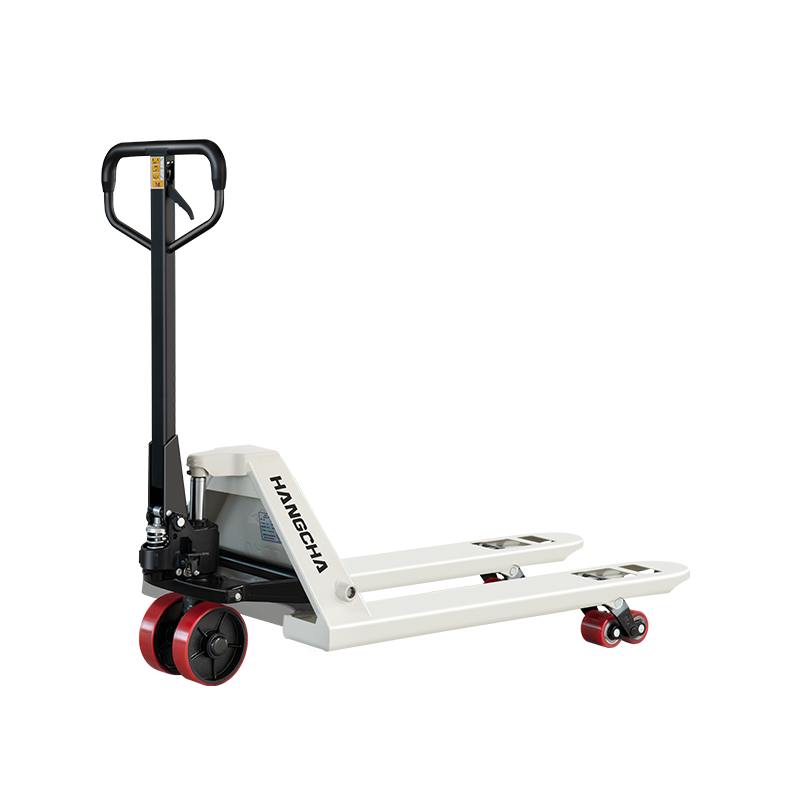
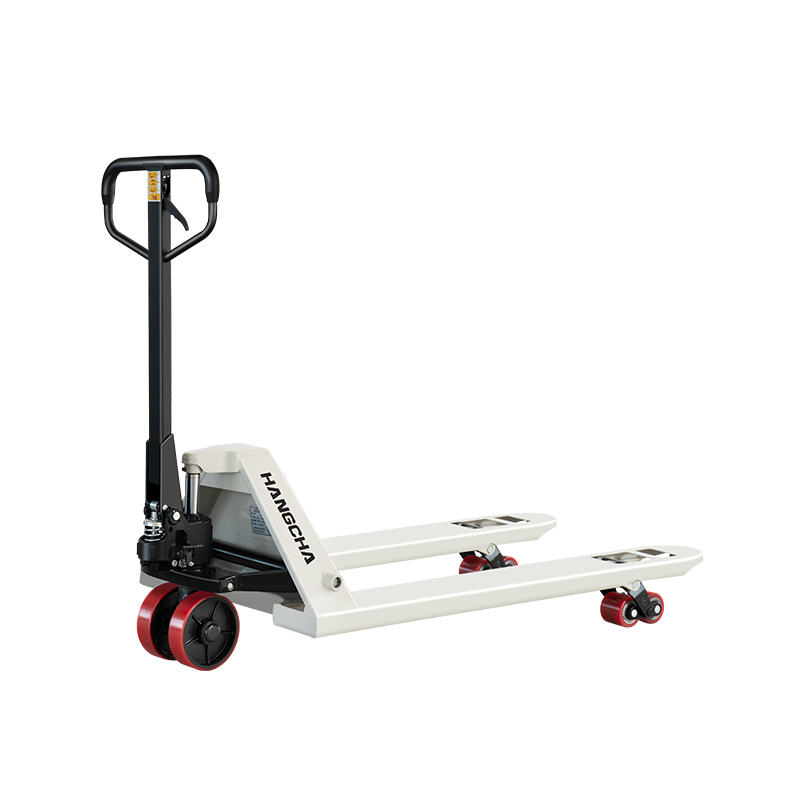
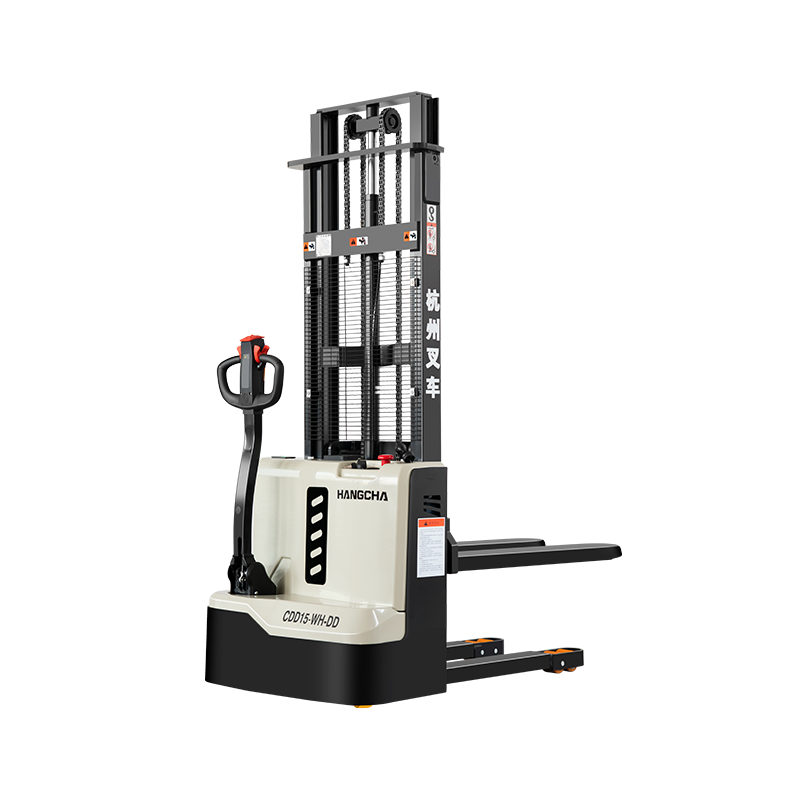
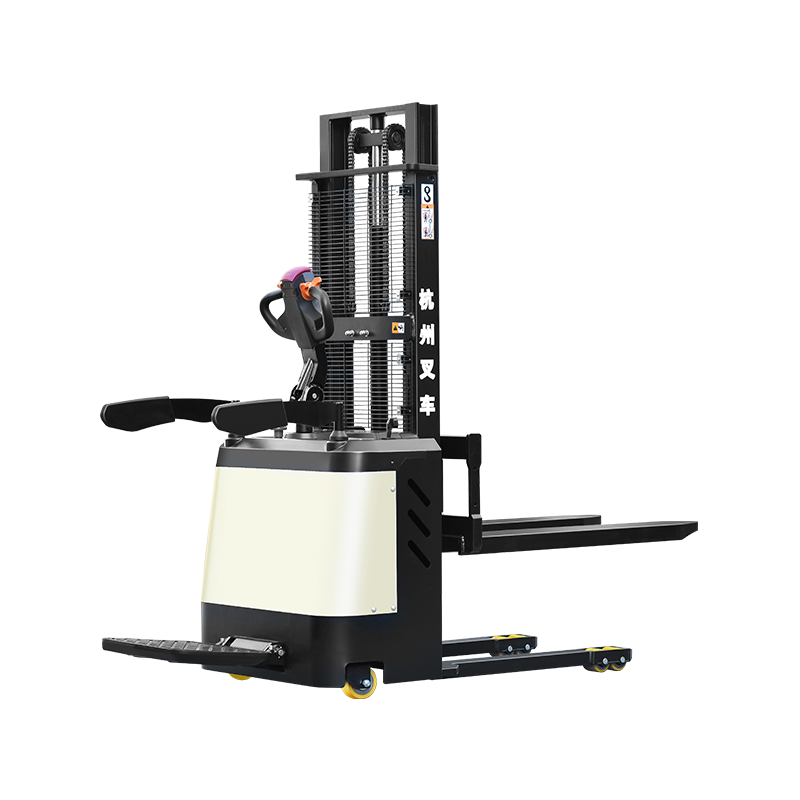
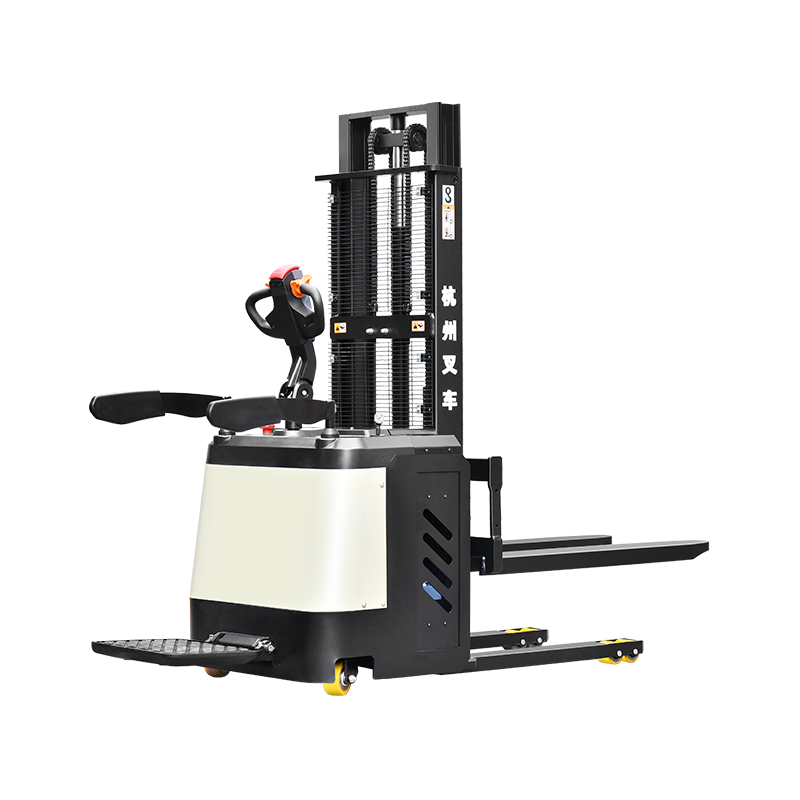
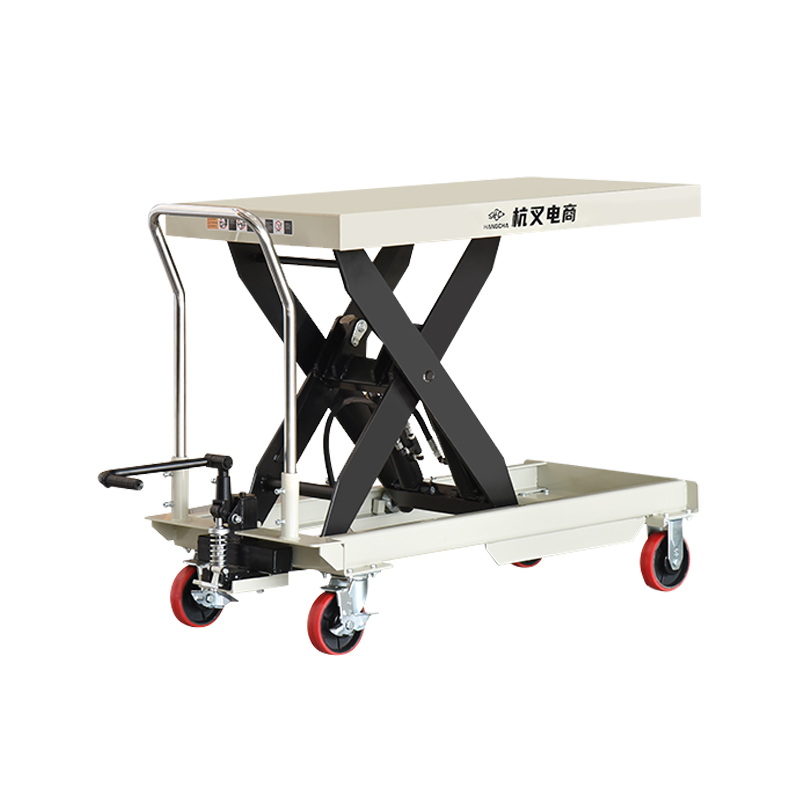
Toyota wins on brand trust, resale value, and after-sales network — especially in North America. Hangcha wins on upfront price (typically 30–40% less for comparable specs), Li-ion integration, and total cost of ownership for buyers with reliable local dealer access. For high-utilization, multi-shift operations where downtime is catastrophic, Toyota's track record justifies the premium. For cost-conscious fleets with good local support, Hangcha delivers comparable performance at meaningfully lower capital cost.
Before any spec comparison, context matters. These are not equivalent tiers of manufacturer — they are genuinely different value propositions that happen to build similar machines.
| Factor | Hangcha | Toyota Material Handling |
|---|---|---|
| Founded | 1956, Hangzhou, Zhejiang, China | Toyota Industries Corp. 1926 (Japan); TMH division mid-1950s |
| Global rank | Top 5 globally by unit volume; #1 exporter from China | #1 globally by units and revenue for 20+ consecutive years |
| Annual production | ~250,000+ units/year | ~250,000–300,000 units/year |
| Primary markets | Europe, Southeast Asia, Middle East, North America (growing) | North America (#1 market), Europe, Asia-Pacific |
| Manufacturing base | Hangzhou, China (primary); overseas assembly partnerships | Columbus, Indiana (US); Aichi, Japan; other global sites |
| Key certifications | CE, ISO 9001, ISO 14001, ANSI (select models) | CE, ISO 9001, UL (Li-ion), ANSI B56.1 |
| Listed company | Yes — Hangcha Group Co., Ltd. (SH: 603298) | Division of Toyota Industries Corp. (TYO: 6201) |
The production scale is comparable. The difference lies in brand equity, dealer network depth, and market positioning — not in the fundamental ability to build a capable forklift.
List prices vary by region, dealer, and configuration. The figures below reflect typical new unit pricing in the US market as of mid-2026, excluding battery/charger for electric models (add $7,500–$9,500).
| Category | Hangcha (approx.) | Toyota (approx.) | Hangcha Saving |
|---|---|---|---|
| Electric 3-wheel, 3,000–4,000 lb | $18,000–$24,000 | $26,000–$35,000 | ~30% |
| Electric 4-wheel counterbalance, 5,000 lb | $22,000–$30,000 | $30,000–$45,000 | ~30–35% |
| Li-ion electric, 5,000 lb | $26,000–$34,000 (battery included) | $38,000–$52,000 (battery included) | ~30–40% |
| LPG/propane counterbalance, 5,000 lb | $20,000–$28,000 | $28,000–$42,000 | ~28–35% |
| Diesel counterbalance, 8,000–10,000 lb | $30,000–$42,000 | $42,000–$60,000 | ~28–32% |
| Electric reach truck, 3,000–4,500 lb | $22,000–$32,000 | $28,000–$45,000 | ~25–30% |
Used market note: Toyota forklifts retain value significantly better. A 5-year-old Toyota 8FGCU25 in good condition sells for $15,000–$22,000. A comparable-age Hangcha unit typically brings $8,000–$14,000. If you plan to resell within 5–7 years, Toyota's total cost of ownership improves considerably versus the sticker price gap.
The 5,000 lb (2.5-ton) 4-wheel electric counterbalance is the single most purchased forklift configuration globally. Here's how the two brands compare on their current flagship models in this category: Hangcha FB25X vs. Toyota 8FBCU25.
| Specification | Hangcha FB25X | Toyota 8FBCU25 | Edge |
|---|---|---|---|
| Rated capacity | 5,511 lb (2,500 kg) | 5,000 lb (2,268 kg) | Hangcha |
| Load center | 24 in (600 mm) | 24 in (600 mm) | Tie |
| Max lift height (std mast) | Up to 256 in (6,500 mm) | Up to 240 in (6,096 mm) | Hangcha |
| Travel speed (loaded) | 7.5 mph (12 km/h) | 7.5 mph (12 km/h) | Tie |
| Lifting speed (loaded) | ~0.52 m/s | ~0.52 m/s | Tie |
| Turning radius (outside) | ~78 in (1,975 mm) | ~77 in (1,950 mm) | Near-tie |
| Motor type | AC drive + AC pump | AC drive + AC pump | Tie |
| Battery voltage / capacity | 48V / 500–600 Ah (lead-acid or Li-ion option) | 48V / 500–600 Ah (lead-acid or Li-ion option) | Tie |
| Active stability system | Standard tilt control; no proprietary SAS equivalent | Toyota SAS (patented, 10 sensors + 3 actuators) | Toyota |
| Operator ergonomics | Adjustable seat, tilt column, good visibility | Premium seat, SAS-integrated controls, ergonomic award recipient | Toyota |
| Warranty (standard) | 12 months / 2,000 hours | 12 months / 2,000 hours (longer options available) | Tie (base) |
| Typical new price (US, incl. Li-ion) | ~$28,000–$34,000 | ~$40,000–$52,000 | Hangcha |
On raw performance specs, these two trucks are nearly identical. The Toyota's meaningful advantage is its SAS stability system — a patented active safety technology that no Chinese manufacturer currently replicates. Everything else is largely equivalent engineering at different price points.
Scores are assessments based on publicly available data, market pricing, and industry comparisons. Scale: 1–10.
Purchase price is only part of the calculation. The real question is: what does each truck cost per hour of productive use? The model below uses a standard 5,000 lb electric counterbalance in a single-shift (2,000 hours/year) operation.
| Cost Element | Hangcha FB25X (Li-ion) | Toyota 8FBCU25 (Li-ion) | Notes |
|---|---|---|---|
| Purchase price (all-in, Li-ion) | ~$30,000 | ~$46,000 | Including battery + charger |
| Annual maintenance (electric, avg) | ~$600/yr = $3,000 | ~$500/yr = $2,500 | Toyota's lower due to parts familiarity with dealers |
| Energy cost (electricity) | ~$1,800/yr = $9,000 | ~$1,800/yr = $9,000 | Identical — same motor efficiency class |
| Downtime cost (estimated) | ~$1,500/yr = $7,500 | ~$800/yr = $4,000 | Hangcha higher due to parts lead time risk outside strong dealer zones |
| Residual value at year 5 | ~$8,000 | ~$16,000 | Toyota retains ~35%; Hangcha ~27% of new price |
| Net 5-year TCO | ~$41,500 | ~$45,500 | After deducting residual value |
| Cost per productive hour | ~$4.15/hr | ~$4.55/hr | Based on 10,000 hours over 5 years |
This is Toyota's clearest and most defensible advantage. The System of Active Stability (SAS), introduced in 1999 and continuously refined, remains the only patented active stability system of its kind in the industry. No competitor — including Hangcha — has an equivalent.
| SAS Feature | What It Does | Hangcha Equivalent |
|---|---|---|
| Active Control Rear Stabilizer | Locks rear axle hydraulically during lateral instability, changing stability footprint from triangular to rectangular | None — standard fixed rear axle |
| Active Mast Function Controller | Reduces mast tilt speed based on load weight and height; prevents forward/rearward tip-over | Tilt speed control available, not load-weight adaptive |
| Speed reduction when cornering | Automatically slows travel speed in turns | Optional speed limiter; not turn-sensing |
| Fork leveling control | Auto-levels forks to 90° — reduces operator errors in pick cycles | Manual leveling standard; auto-level on select models |
| Sensor count | 10 sensors + 3 actuators + smart controller | Standard tilt and overload sensors |
Does SAS justify the price premium on its own? For operations where tip-overs are a documented risk — high lift heights, heavy loads, less experienced operators — the answer is likely yes. Forklift tip-overs account for roughly 25% of all serious forklift injuries in the US. Reducing that risk has both human and financial value that a pure TCO model doesn't fully capture.
Hangcha's safety approach is compliant with all applicable standards (ANSI B56.1, CE). It is not deficient by regulation — it simply does not include the active proprietary layer that Toyota has built over 25 years.
Specs on paper are irrelevant if the truck sits idle waiting for a technician or part. This is where the Toyota vs. Hangcha comparison becomes the most regionally variable — and the most important factor for B2B buyers to research locally before deciding.
| Region | Toyota Dealer Coverage | Hangcha Dealer Coverage | Practical Implication |
|---|---|---|---|
| North America | 73+ dealers, 224+ locations | Growing; coverage concentrated in major metros | Toyota has a clear advantage in rural or secondary markets |
| Western Europe | Strong; Toyota Industries EU network | Strong; Hangcha EU subsidiary + distributor network | Comparable in most major markets |
| Southeast Asia | Good coverage | Very strong — Hangcha's fastest-growing region | Hangcha often has better local parts availability |
| Middle East / GCC | Good via regional distributors | Good; established partnerships in UAE, Saudi Arabia | Broadly comparable |
| Latin America | Moderate coverage | Growing but patchy | Both require careful dealer vetting |
Both brands have committed fully to lithium-ion. This is the fastest-evolving area of the forklift market and arguably where Hangcha's gap to Toyota is narrowest.
| Li-ion Factor | Hangcha | Toyota |
|---|---|---|
| Battery integration | Factory-integrated LFP (Lithium Iron Phosphate) on X and A Series; battery management system built in | Factory-integrated Li-ion; first UL-certified integrated Li-ion forklift in the US |
| Chemistry | LFP (LiFePO4) — longer cycle life, lower thermal runaway risk | NMC on some models; LFP on others — varies by market |
| Opportunity charging | Yes — standard on Li-ion models | Yes — standard on Li-ion models |
| Expected battery cycle life | 2,000–3,000 cycles (LFP) | 1,500–2,500 cycles (varies by chemistry) |
| Price premium over lead-acid equivalent | ~$4,000–$6,000 | ~$6,000–$10,000 |
| AGV-ready models | Yes — A Series AGV platform with SLAM navigation | Yes — Toyota Autopilot / automated series |
On Li-ion specifically, Hangcha's pricing advantage is its sharpest: a fully integrated Li-ion Hangcha can land at roughly the same price as a lead-acid Toyota in some configurations. For fleets converting from lead-acid, this is a compelling entry point.

+86-0571-88131206

+86-19084200370

+86-17816721301
 عربى
عربى