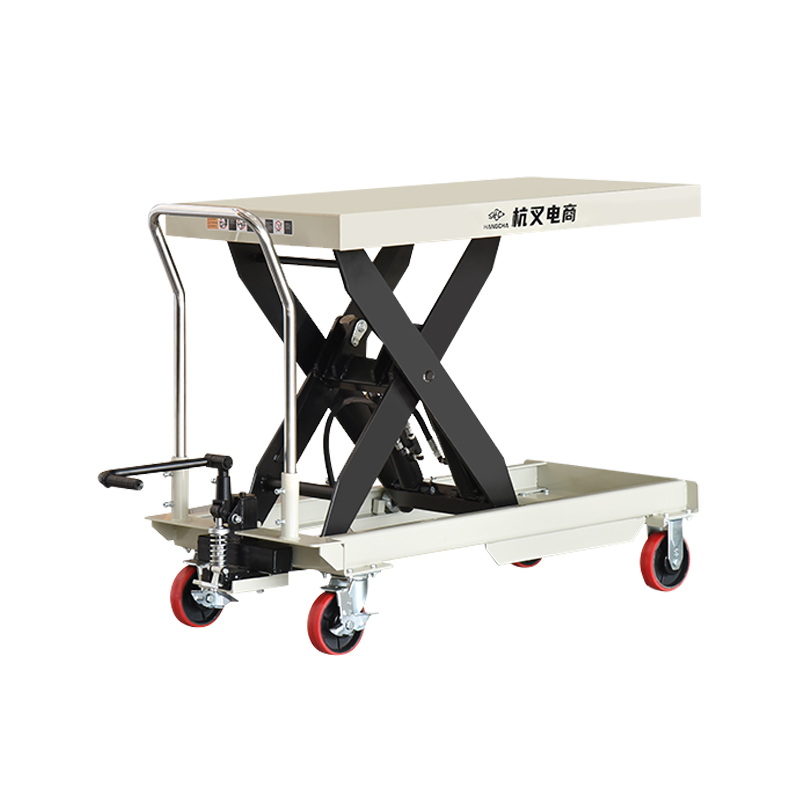
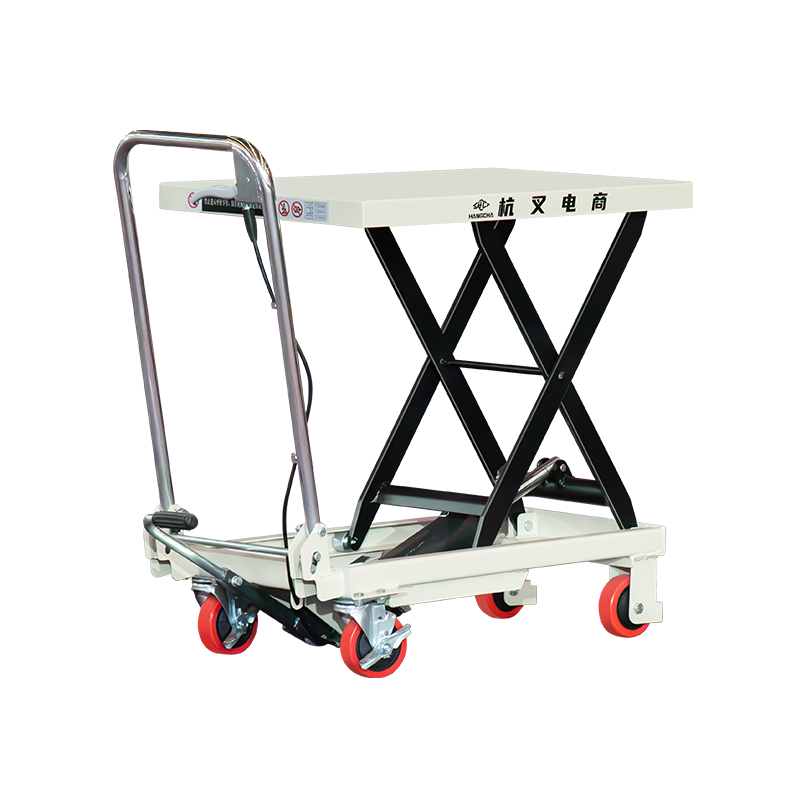
If you run a warehouse, a busy manufacturing floor, or even a smaller retail backroom, you know that moving and lifting heavy pallets is the heartbeat of your operation. Efficient material handling isn't just about speed; it's about safety, space, and saving your team's energy.
But when it comes time to invest in new equipment, the choice often comes down to two workhorses: the pallet stacker and the pallet jack.
Both pieces of equipment have one common purpose—to move heavy loads from point A to point B—but they achieve this goal in very different ways. Choosing the wrong tool can lead to bottlenecks, wasted money, and, worst of all, potential workplace injuries.
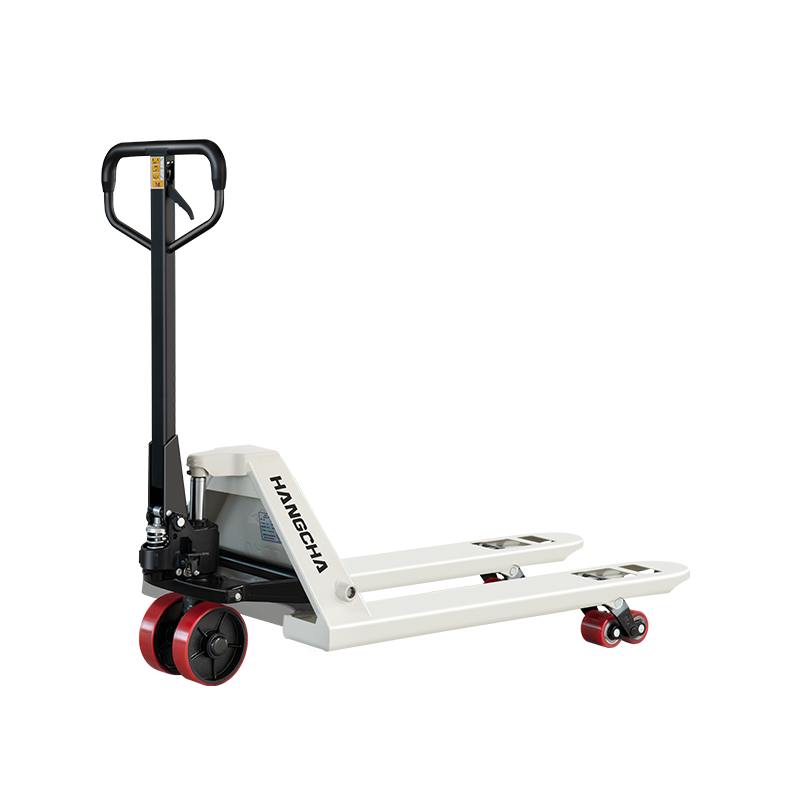
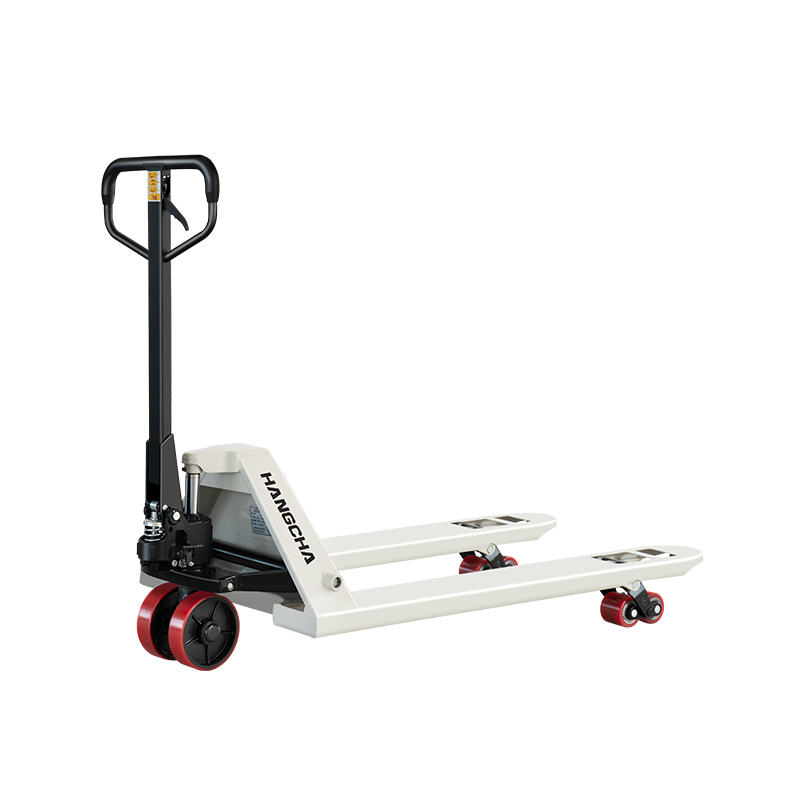
Think of a pallet jack (also widely known as a pallet truck or "hand truck") as the simplest, most fundamental tool in your material handling arsenal.
At its core, a pallet jack is a wheeled trolley that uses a hydraulic system to lift a loaded pallet just high enough off the floor to allow it to be rolled easily across a level surface. They don't lift pallets high for stacking; they just lift them for movement.
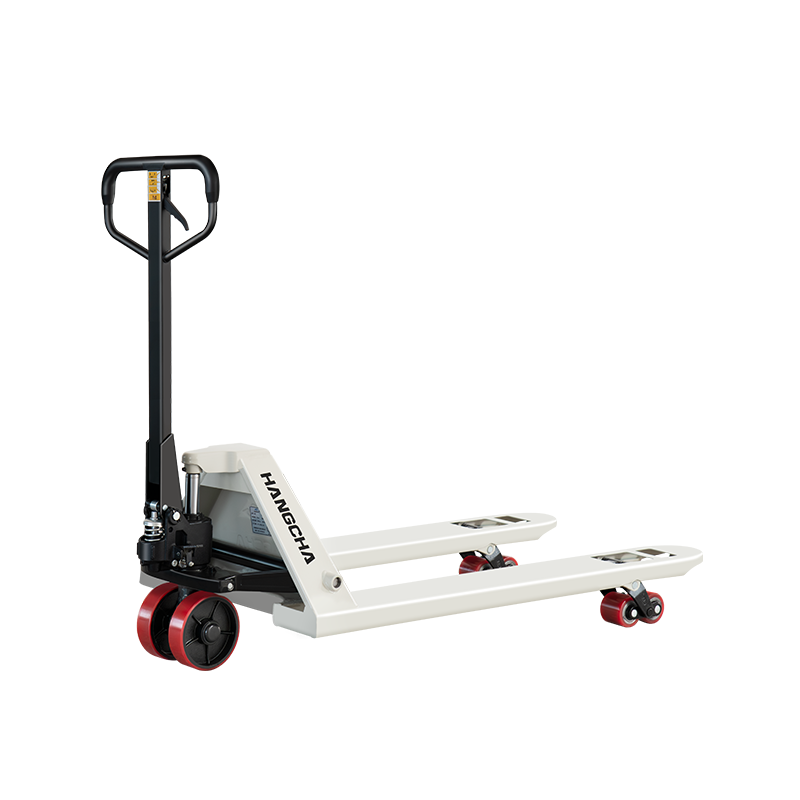
Manual Pallet Jack: This is the classic, hand-powered model. The operator pumps the handle to lift the load and then manually pulls or pushes the entire weight. They are simple, durable, and don't need a power source.
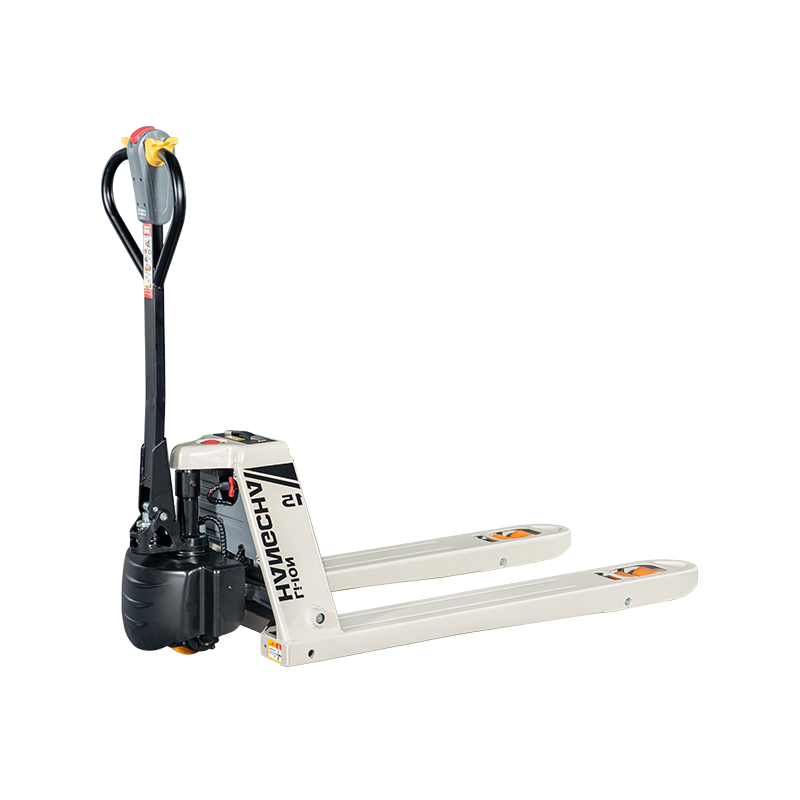
Electric Pallet Jack (or Powered Pallet Truck): This version includes a battery-powered motor to assist with movement (travel) and often the lifting as well. They dramatically reduce the physical strain on the operator, making them ideal for covering longer distances or moving heavier loads frequently.
Pallet jacks are the unsung heroes of dock operations, truck loading/unloading, and retail stockrooms. They are perfect for:
Moving pallets short distances.
Getting freight off the delivery truck and into the staging area.
Navigating very tight aisles or crowded spaces where maneuverability is key.
| Advantage | Why It Matters |
| Affordability | They have the lowest initial cost of any powered (or non-powered) material handling equipment. |
| Maneuverability | They have a small footprint and an excellent turning radius, making them perfect for confined areas. |
| Ease of Use | Almost anyone can learn to operate one in minutes, requiring minimal formal training. |
| Disadvantage | The Catch |
| Limited Lifting Height | The main drawback. They can only raise a pallet a few inches—not nearly enough to stack one pallet on top of another. |
| Manual Labor Required | For manual jacks, the operator has to bear the full force of pulling/pushing the load, which can lead to fatigue and strain. |
| Not Suitable for Ramps | Moving a heavy manual jack up an incline is a significant physical hazard and risk; electric jacks are needed for any sloped surface. |
If the pallet jack is the floor mover, the pallet stacker is the vertical lifter.
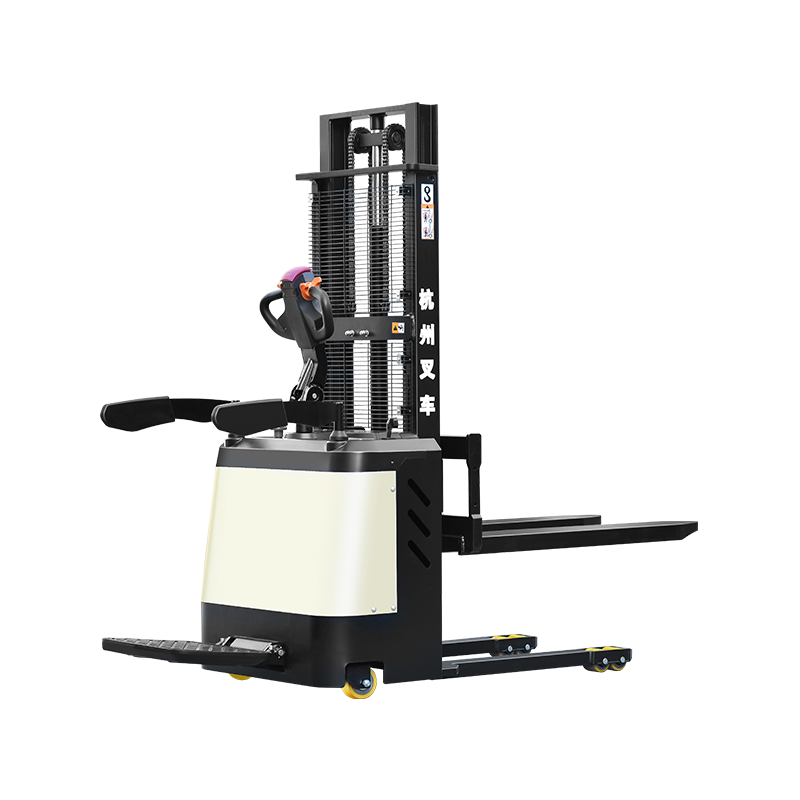
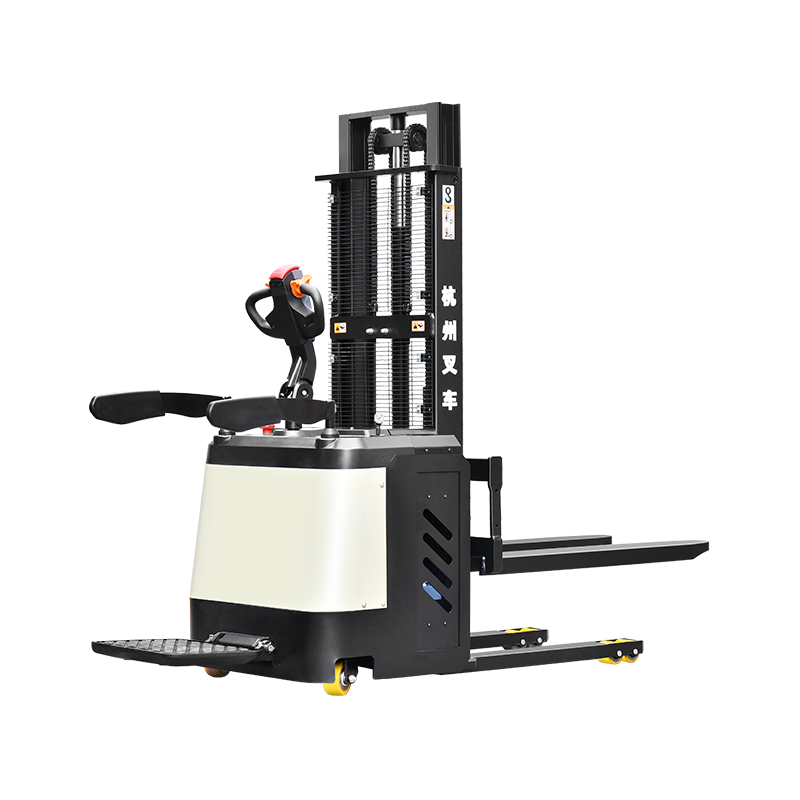
A pallet stacker is essentially a hybrid machine—it's like a pallet jack met a miniature forklift. While it can certainly move a loaded pallet horizontally, its primary mission is to lift and stack loads at significant heights, often to eye-level or higher, utilizing vertical racking space. This ability to stack is where it earns its name.
The world of stackers is slightly more varied than jacks, generally categorized by how they are powered and how they manage the load:
Manual Pallet Stacker: The most budget-friendly version. The lift mechanism is operated by hand-pumping, similar to a manual jack, but the entire frame and fork system are designed for high vertical lift.
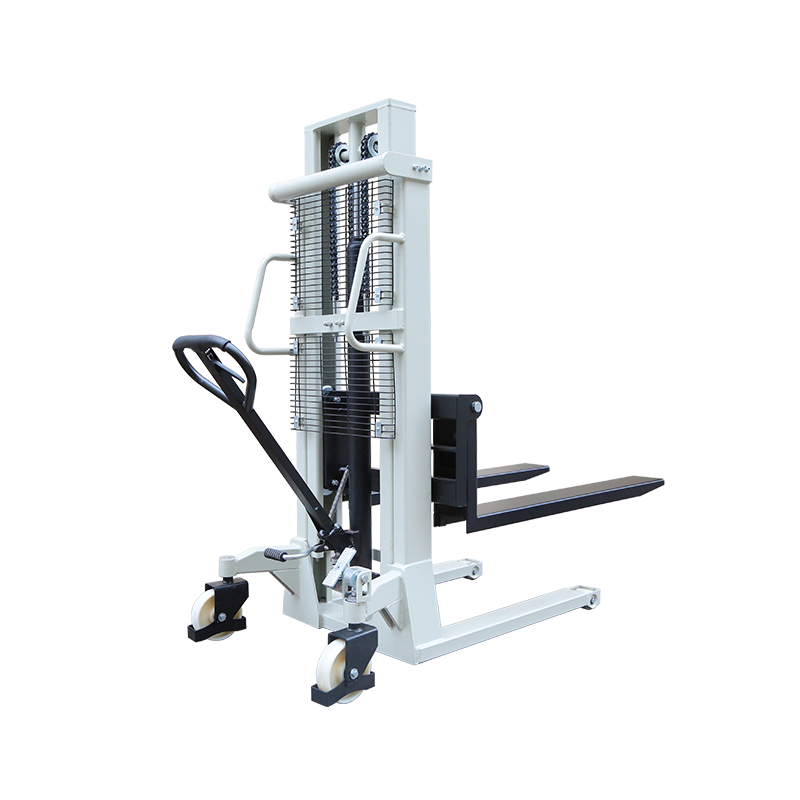
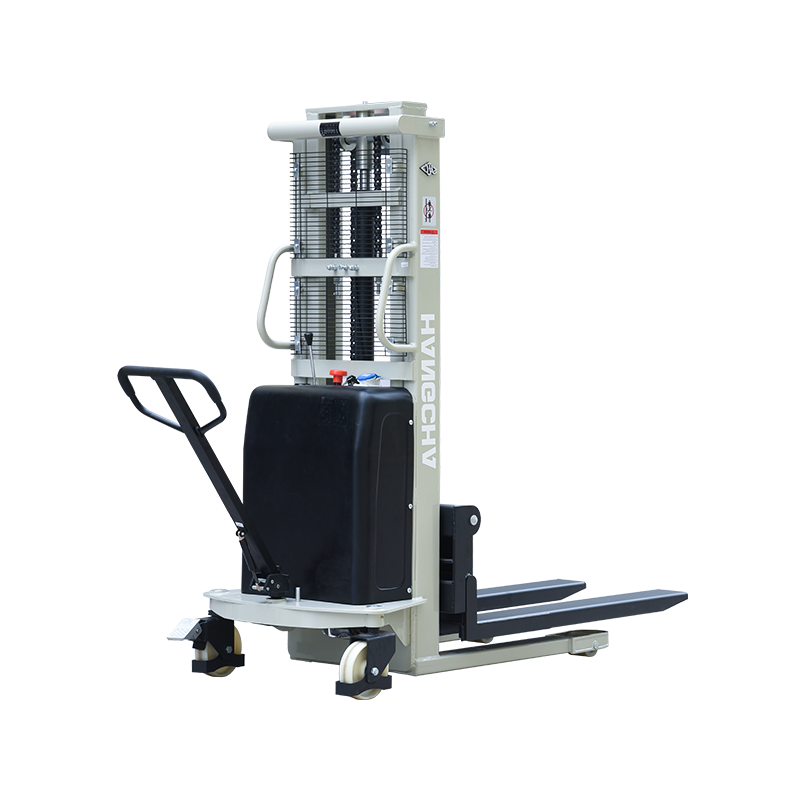
Semi-Electric Pallet Stacker: This version is common for mid-sized operations. It features powered lifting (which greatly reduces operator strain) but still requires the operator to manually push or pull the stacker across the floor.
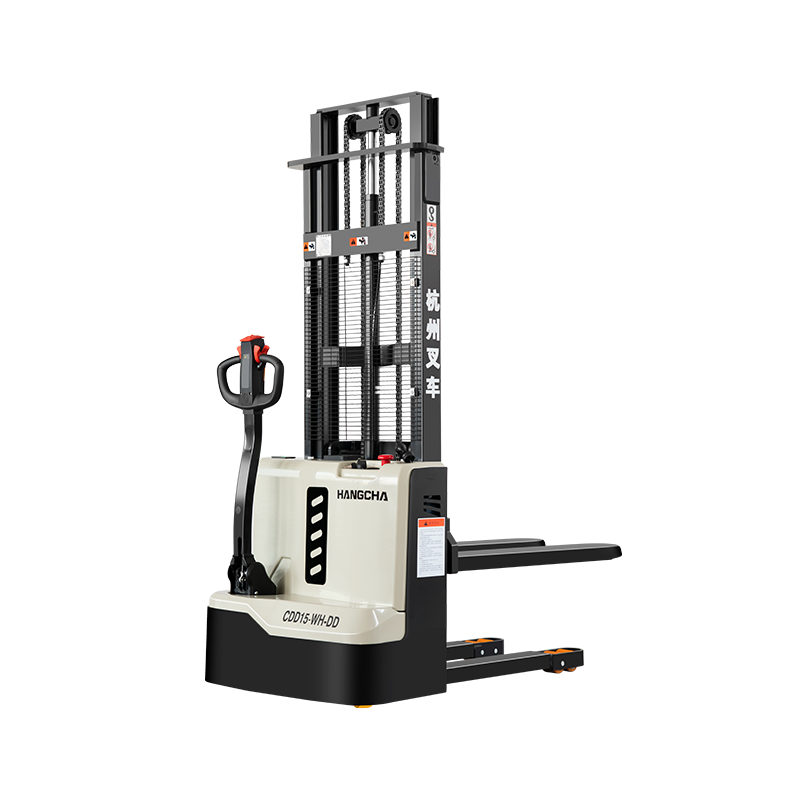
Electric Pallet Stacker: The full-featured option. It uses a battery-powered motor for both lifting and travel, making it a true powered piece of equipment suitable for high-frequency use. They come in both "walkie" (operator walks behind) and "ride-on" models.
Pallet stackers are the backbone of efficient vertical storage. They are built for mid-level warehouse racking and operations where stacking and organizing inventory are daily tasks. They are perfect for:
Loading or unloading shelving and racking units.
Stacking pallets two or three high in a staging area.
Feeding materials to elevated workbenches or conveyors.
Operations that need a cheaper, smaller alternative to a full-sized counterbalance forklift.
| Advantage | Why It Matters |
| Stacking Ability | This is the key difference. They allow you to utilize vertical space, which is critical for smaller warehouses or those focused on dense storage. |
| Higher Lifting Capacity | Generally built with a more robust structure and hydraulics, they can often handle heavier maximum loads than many standard pallet jacks. |
| Reduced Physical Strain | Even the manual models often have assistance features, and the powered lift on electric models completely eliminates the strenuous pumping. |
| Lower Cost than a Forklift | They offer significant vertical capability at a fraction of the cost, space, and required certifications of a traditional forklift. |
| Disadvantage | The Catch |
| Higher Initial Cost | They are significantly more expensive than even the best electric pallet jack due to the complex lifting mechanism and robust frame. |
| Less Maneuverable | The large support legs and mast (the vertical column) make them wider and longer, requiring more space to turn and operate than a jack. |
| Requires More Space to Operate | When lifting a load high, you need clear overhead clearance and slightly wider aisles than you would with a simple pallet jack. |
When trying to decide between a pallet stacker and a pallet jack, the choice often comes down to four major factors: how high you need to lift, how much space you have, how much you can spend, and the long-term strain on your team.
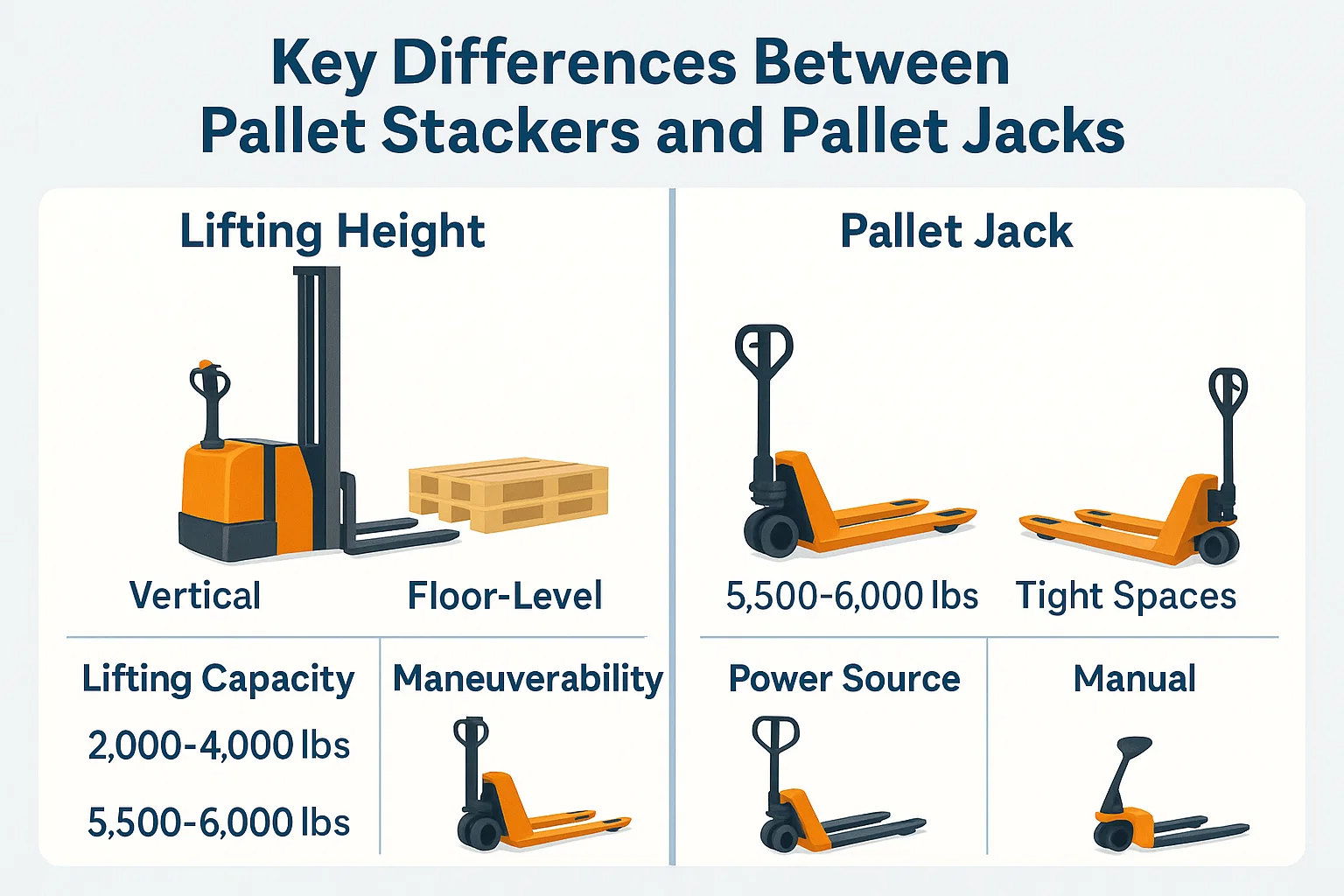
Pallet Jack: These are designed purely for horizontal transport. The maximum lifting height is usually only 2.5 to 8 inches (just enough to clear the floor for mobility). If your primary need is to get a pallet off the ground to roll it somewhere else, the jack wins.
Pallet Stacker: Built for elevation. Stacking heights typically range from 60 inches (5 feet) up to 180 inches (15 feet) or more, depending on the model. This makes the stacker essential for multi-level storage and racking systems.
While capacities overlap, the overall capability often differs:
Pallet Jack: Typical capacities range from 5,500 lbs to 6,000 lbs for manual jacks. Electric versions can handle similar or slightly higher weights. They focus on moving very heavy things, but only along the floor.
Pallet Stacker: Capacities usually range from 2,000 lbs to 4,000 lbs. While some robust models go higher, stackers trade some floor-level capacity for the ability to safely lift and hold that weight at height. The stability requirement limits the top-end load compared to a simple floor jack.
This is often the most critical physical difference in crowded spaces.
Pallet Jack: The clear winner in tight quarters. With their small footprint and short length, they have a superior turning radius, allowing them to navigate very narrow aisles, inside trailers, and congested loading docks with ease.
Pallet Stacker: Less maneuverable. The equipment includes a large mast and front support legs (straddle or counterbalanced), meaning they require wider aisles and more space to perform a tight turn. They are best suited for straight runs and dedicated warehouse aisles.
Pallet Jack: The majority are manual, relying solely on operator effort. Electric versions are available to take the strain out of travel and lift.
Pallet Stacker: While manual lift stackers exist, the majority of units are semi-electric or fully electric. Due to the strain of lifting weight vertically, most users opt for a powered lift to protect their team and increase efficiency.
Pallet Jack: Extremely affordable. A reliable manual jack can be purchased for a few hundred dollars. Electric versions are substantially more, but still often cheaper than a stacker.
Pallet Stacker: Significantly higher initial purchase price. You are paying for a more complex hydraulic and structural system. However, the value comes in the ability to utilize vertical space, which can often justify the investment quickly.
Pallet Jack: Manual jacks pose a high ergonomic risk for strain and fatigue when frequently pushing or pulling heavy loads. Electric models drastically reduce this risk.
Pallet Stacker: Even the manual-travel stackers use powered lift, which is the main source of strain prevention. Overall, stackers tend to be more ergonomically friendly for lifting tasks, reducing the risk of injury from excessive manual effort.
| Feature | Pallet Jack (Pallet Truck) | Pallet Stacker |
| Primary Function | Horizontal Transport (Moving) | Vertical Storage (Stacking) |
| Max Lift Height | 2.5" to 8" (Floor clearance) | 60" to 180+" (Vertical racking) |
| Maneuverability | Excellent (Ideal for tight spaces) | Fair (Requires wider aisles) |
| Power Options | Manual, Electric | Manual, Semi-Electric, Electric |
| Typical Capacity | Higher (often 5,500+ lbs) | Lower (often 2,000-4,000 lbs) |
| Initial Cost | Low | High |
| Ergonomic Risk (Manual) | High (From pulling/pushing) | Low (Powered lift) |
So, you've seen the specs. Now, it's time to stop thinking about the equipment and start thinking about youroperation. The best piece of equipment is the one that fits your unique constraints, layout, and budget.
Here are the six essential questions you need to answer before making your decision:
Space is money, and how you use it dictates the equipment you can use.
Tight Spaces & Narrow Aisles (under 8 feet): If you're dealing with delivery trucks, small retail stockrooms, or very congested back-of-house areas, the Pallet Jack is generally the superior choice due to its minimal footprint and unmatched turning ability.
Dedicated Racking & Wider Aisles: If you have clearly defined, medium-to-wide aisles designed for vertical traffic, a Pallet Stacker becomes a viable and essential tool for maximizing storage density.
This is often the single most important factor.
Floor-Level Only: If you only need to move pallets from the dock to a staging area and don't stack them higher than one high, a Pallet Jack is all you need.
Vertical Stacking (5 feet+): If your operation requires stacking pallets on top of each other, accessing two- or three-tier racking, or loading elevated work surfaces, you absolutely require a Pallet Stacker.
Never select equipment that runs at its absolute limit all the time.
Heavy, Dense Loads (5,000 lbs+): While stackers can handle this, standard Pallet Jacks often have higher weight ratings specifically for heavy floor travel. Ensure your equipment's capacity exceeds your heaviest typical load by at least 20%.
Lighter Stacking (Under 4,000 lbs): This is the sweet spot for many Pallet Stackers, especially when using the lift feature frequently.
This helps determine whether to prioritize manual efficiency or powered features.
Infrequent, Quick Transfers: For receiving one or two shipments per week or occasional pallet shuffling, a simple Manual Pallet Jack is a cost-effective choice.
Constant, Daily Use: If the equipment will be used for hours every day to load, unload, and replenish stock, investing in an Electric Pallet Jack (for floor work) or a Fully Electric Pallet Stacker (for stacking) is essential for employee safety and productivity.
Your budget will determine the level of automation you can afford.
Tight Budget: Start with a Manual Pallet Jack. If lifting is necessary, consider a Manual Pallet Stacker as the next step up.
Flexible Budget: Look at Electric Pallet Jacks for highly efficient floor movement, or a Semi/Fully Electric Pallet Stacker for the best balance of vertical capability and ergonomic safety.
The floor can be your best friend or your worst enemy.
Smooth, Even Floors: Standard Pallet Jack or Pallet Stacker operation is fine.
Uneven or Sloped Surfaces: Manual Pallet Jacks are dangerous on inclines. If you have ramps, thresholds, or uneven concrete, you must use Electric Pallet Jacks or Stackers equipped with good braking and traction for safe movement.
A: No. A pallet jack only moves loads horizontally. A forklift is a heavy-duty machine designed for high-volume, continuous operation, and accessing very high racking (often 20+ feet). Pallet stackers and jacks are best viewed as complementary tools for medium- and low-level lifting and maneuvering.
To help solidify your decision, let's look at some popular and well-regarded models that represent the different classes of equipment we’ve discussed.
These models cover the range from basic floor movement to powered efficiency.
| Model Example | Key Attribute | Best For... |
| Vestil Manual Pallet Jack (Standard) | High capacity, low cost, rugged steel frame. | Businesses or warehouses that need to move heavy loads (5,500+ lbs) infrequently and over short, level distances. This is the ultimate affordable workhorse. |
| Uline Electric Pallet Jack (Example) | Powered drive and lift, high maneuverability. | Operations with frequent, long-distance moves (e.g., across a large distribution center) or those prioritizing operator safety and reducing physical strain. |
| Wesco Pallet Truck (High-Lift Pallet Truck) | Lifts up to 30 inches (mid-height). | Use as an ergonomic work positioner. It lifts the pallet to waist-height, reducing bending for tasks like order picking or feeding a machine. Note: Still not for vertical racking. |
These examples highlight the difference between manual-lift and full-electric vertical storage solutions.
| Model Example | Key Attribute | Best For... |
| Presto ECOA Manual Straddle Stacker | Foot-powered pump lift, straddle leg design. | Small workshops or operations with a tight budget that only need to stack or retrieve loads (under 2,000 lbs) very occasionally. This requires physical effort but provides vertical capability cheaply. |
| Crown Electric Pallet Stacker (Walkie Type) | Fully electric lift and travel, reliable AC motor. | High-volume warehouses with dedicated, medium-height racking. Crown is a leading brand known for durable, feature-rich stackers that maximize vertical storage efficiently. |
| Southworth PalletPal Ergonomic Pallet Stacker | Focus on operator comfort, many are semi-electric. | Operations where employee well-being is the top priority. These are often used as mobile levelers, automatically keeping the top of the pallet at an ideal working height for loading/unloading. |
A: A straddle stacker has legs that extend wider than the pallet itself. This design allows the forks to fitinsidethe legs and lower all the way to the floor, accommodating standard closed-bottom pallets (like a typical US pallet) easily. If you only deal with open-bottom skids, you might choose a less common "fork-over" style.
Buying the right equipment is only half the battle; keeping it running smoothly is how you protect your investment and—more importantly—ensure workplace safety. Whether you choose a simple manual jack or a complex electric stacker, a little preventative maintenance goes a long way.
Here are the critical maintenance checks you should implement immediately:
These are the core components that handle the load and take the most abuse.
Wheels and Casters: Visually check for flat spots, cracks, or embedded debris (especially metal shavings or string/plastic wrap). Damaged wheels can cause the load to shift, increasing the risk of tipping or operator strain. Replace worn wheels promptly.
Forks: Inspect the fork tips for excessive wear, bending, or cracks. If a fork is visibly bent,do not use the equipment. It compromises the load center and stability.
Hydraulic System: Listen for abnormal noises when lifting. Check the hydraulic pump area for oil leaks. For pallet jacks, a "soft" or "spongy" lift usually indicates low hydraulic fluid or air in the system.
Friction is the enemy of material handling equipment.
Grease Points: Consult your owner's manual to identify all grease zerks. These are typically found around the steering axis, load wheel axles, and any articulation points (where parts pivot).
Routine Greasing: A quick hit of grease every few months or after a hard usage period prevents rust and ensures smooth operation, reducing the force needed to steer and move the load.
Electric pallet jacks and stackers are only as good as their batteries.
Charging Discipline: Follow the manufacturer’s instructions religiously. Avoid "opportunity charging" (charging for short bursts during the day) with lead-acid batteries, as this can reduce their lifespan. Lithium-ion is generally more tolerant of opportunity charging, but verify with your manual.
Water Levels (Lead-Acid): If your unit uses lead-acid batteries, check the water level weekly and top up with distilled waterafterthe battery is fully charged. Never add water to a discharged battery.
Cleanliness: Keep the battery top clean and dry to prevent corrosion and discharge.
This is the most critical "maintenance" task—the maintenance of good habits.
Load Center: Train operators on how to properly position the load against the carriage or backrest. Carrying a load at the fork tips significantly reduces the capacity and stability of any equipment.
Handling Ramps: Reiterate the dangers of using manual jacks on slopes. Ensure electric units are operated slowly and controlled on any incline or decline.
Clearance: Operators must be aware of the minimum required aisle width for stackers, especially when lifting loads high, and always check overhead for obstacles.
By treating your equipment as a valuable asset that needs regular care, you ensure consistent performance and keep your most important asset—your employees—safe.
Choose the Pallet Jack when... Your primary need is horizontal transport. You are loading or unloading trucks, moving pallets across long distances, or operating in extremely tight or congested areas. It is the most affordable, maneuverable, and often highest-capacity floor mover available.
Choose the Pallet Stacker when... Your primary need is vertical storage. You must stack pallets in two or three tiers, access racking, or position loads at ergonomic heights for work. It is the essential middle ground between a simple jack and a full-sized forklift.

+86-0571-88131206

+86-19084200370

+86-17816721301
 عربى
عربى