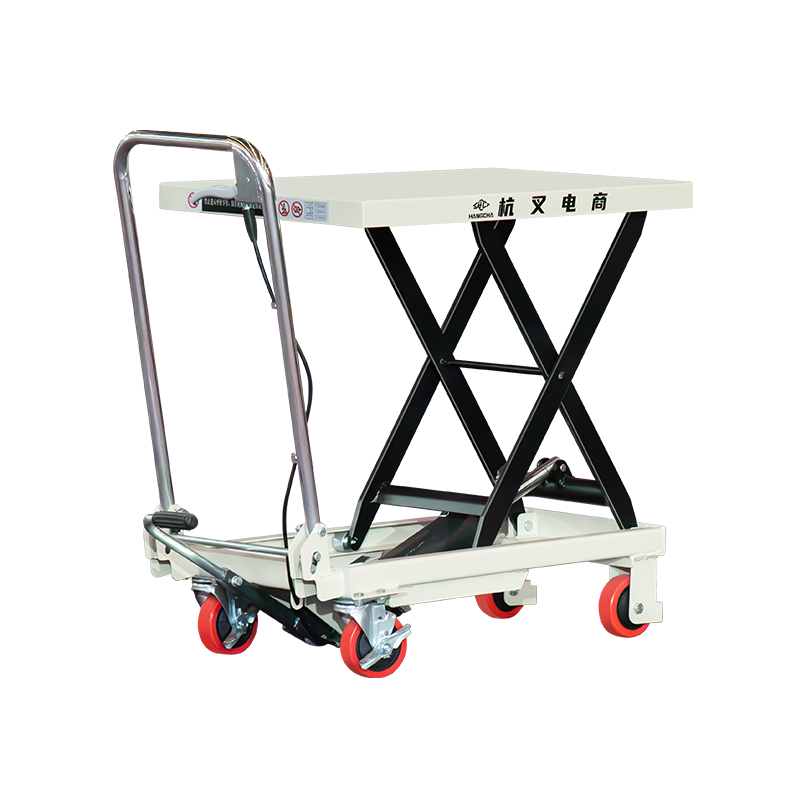
Walk onto any busy warehouse floor, distribution center, or sprawling lumber yard, and you'll see a small army of forklifts moving mountains of material.
We’re going beyond the basic pros and cons to dive into the technical specifications and real-world trade-offs of the four main forklift fuel types: Electric (Lead-Acid and Lithium-Ion), Propane (LPG), Diesel, and Gasoline. By the end, you’ll have a clear understanding of which power source is truly the best fit for your specific material handling needs.
The electric forklift is the undeniable star of indoor material handling. They operate on the principle of simple, clean, battery power, driving an electric motor rather than an internal combustion engine. Historically, this meant relying on heavy, maintenance-intensive lead-acid batteries, but the market is rapidly shifting toward sleek, high-performance lithium-ion (Li-ion) technology.
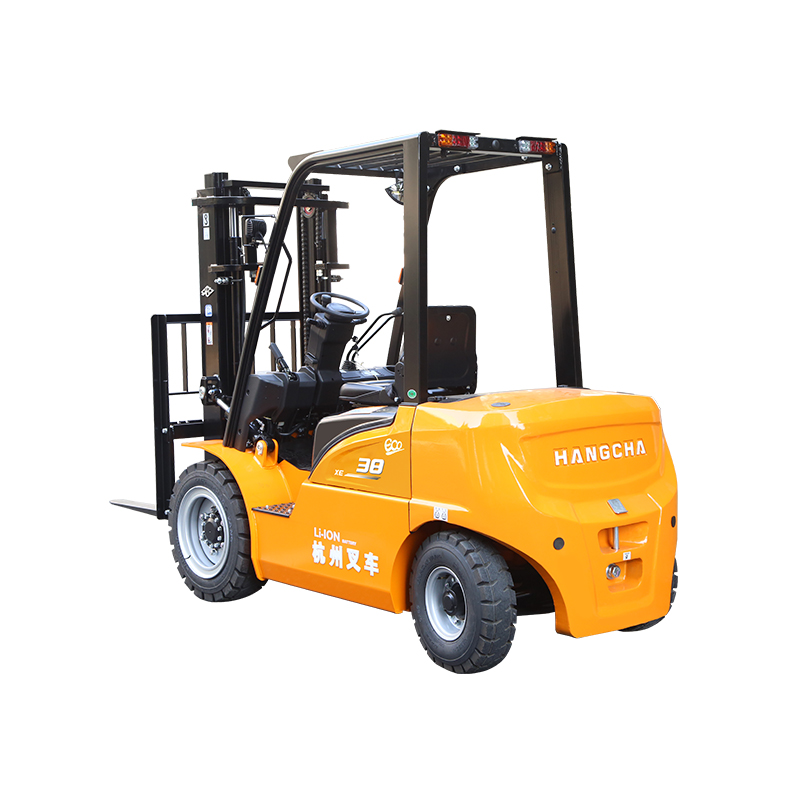
Technical Parameters & Power Source
| Parameter | Traditional Lead-Acid | Modern Lithium-Ion (Li-ion) |
| Power Source | Deep-cycle lead-acid cells (requires watering/equalizing). | Sealed lithium-ion battery packs (often 48V or 80V). |
| Operating Voltage | Typically 24V, 36V, 48V for standard models; 80V for heavy-duty. | Primarily 48V or 80V. |
| Run Time (per charge) | Typically 6 to 8 hours of continuous operation. | Often 8+ hours, with more consistent power until depletion. |
| Refueling Time | 8 to 12 hours for a full charge, plus an 8-hour cool-down period. | 1 to 2 hours for a full charge; allows for opportunity charging. |
| "Fuel" Type | DC Electrical Power (consumed measured in kWh). | DC Electrical Power. |
Zero Emissions: The cleanest option at the point of operation. Ideal for food, pharmaceutical, and other environmentally sensitive indoor applications.
Lower Noise Levels: Significantly quieter than IC engines, improving worker comfort and communication.
Reduced Maintenance Costs: Fewer moving parts (no engine, transmission, or cooling system) means substantially less routine maintenance.
Li-ion Advantage (Fast Charging): Lithium-ion batteries allow for "opportunity charging" (topping up during breaks), which virtually eliminates operational downtime in multi-shift facilities.
Consistent Power: Li-ion models maintain consistent power output throughout the charge cycle, unlike lead-acid which can experience power fade.
Higher Initial Cost: Both the electric truck and, critically, the battery pack (especially Li-ion) are significantly more expensive upfront than their IC counterparts.
Infrastructure Investment: You must budget for and install a dedicated charging station infrastructure (chargers, racks, ventilation).
Lead-Acid Limitation (Downtime): Lead-acid batteries require long charging times and cool-down periods, making 24/7 operation difficult without a costly battery-swap program.
Cold Environment Performance: While usable in cold storage, battery capacity and efficiency can drop in extreme cold, often requiring specialized heated batteries.
Battery Replacement Cost: Batteries are consumables. After 3–5 years for lead-acid or 5–8 years for Li-ion, replacement is a high, non-negotiable cost.
Propane forklifts, which utilize Liquefied Petroleum Gas (LPG), are the most flexible option in the fleet manager's arsenal. They use a spark-ignited, internal combustion engine (similar to a gasoline engine) but burn a much cleaner fuel. This combination gives them the power and quick refueling of IC trucks while allowing for conditional indoor use (with proper ventilation).
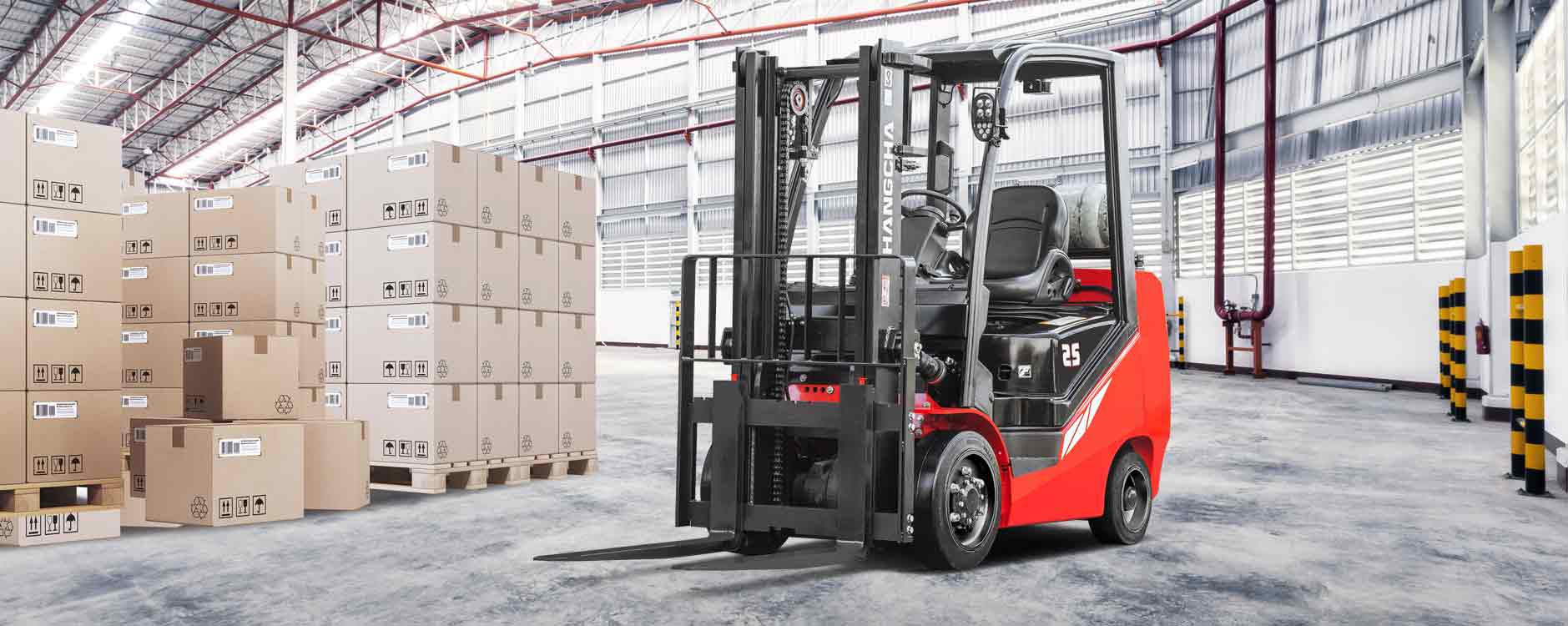
| Parameter | Detail | Why It Matters |
| Fuel Type | Liquefied Petroleum Gas (LPG), primarily Propane. | Cleaner burning than gasoline/diesel, allowing for dual indoor/outdoor use. |
| Engine Type | Spark-ignited, internal combustion engine. | Requires spark plugs, ignition systems, and regular oil changes. |
| Fuel Delivery | Stored in quick-disconnect, pressurized steel tanks (commonly 33.5 lbs). | Allows for the fastest "refueling" method—simply swap the tank. |
| Range/Capacity | A typical 33.5 lb tank provides 6 to 8 hours of continuous operation. | Predictable operational life; capacity is known until the tank is empty. |
| Emissions Specific | Produces Carbon Monoxide (CO) and Nitrogen Oxides (NOx). | Catalytic converters are mandatory to meet safety standards indoors and require regular monitoring. |
Fastest Refueling: The biggest operational advantage. Swapping a depleted propane tank for a full one takes less than five minutes, eliminating the downtime associated with charging electric batteries.
Consistent Power Output: Unlike electric, propane maintains full power and lifting speed right up until the tank is empty—no power fade.
Versatility: Suitable for both indoor and outdoor use, making them ideal for facilities that require seamless transition between warehouse and yard operations.
Lower Initial Cost: Generally less expensive to purchase upfront than a comparable diesel or electric model (especially Li-ion).
High Mobility: No need to be near a charging station or fuel line; the fuel is carried on board.
Emissions Present: Though cleaner than gasoline or diesel, emissions are still produced, meaning adequate ventilation is critical for safe indoor use.
Tank Storage and Handling: Requires secure, dedicated outdoor storage cages for tanks and strict safety protocols for handling and swapping pressurized fuel.
Fuel Cost Fluctuation: The price of propane can be more volatile than diesel or electricity.
Engine Maintenance: Requires more routine maintenance (oil changes, spark plugs, filters) than an electric truck.
Diesel forklifts are the undisputed champion of heavy lifting and rough outdoor terrain. They are powered by a compression-ignition engine that utilizes the high energy density of diesel fuel to deliver massive amounts of power and torque. When you need to move a shipping container or operate non-stop in a lumber yard, diesel is still the traditional go-to.
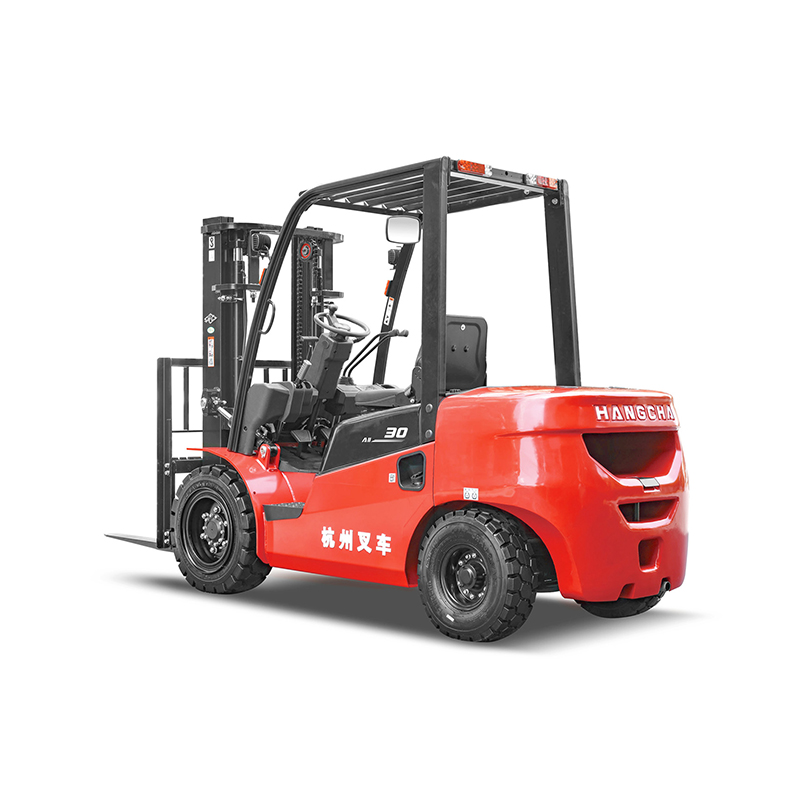
| Parameter | Detail | Why It Matters |
| Fuel Type | Ultra-Low Sulfur Diesel (ULSD) - Grade #2 is standard. | ULSD (15 ppm sulfur) is mandatory for modern engines to prevent damage to emissions control systems. |
| Engine Type | Compression-ignition, internal combustion engine. | Produces the highest torque and power for heavy-duty, high-capacity lifting (often >15,000 lbs). |
| Emissions Compliance | Must meet strict Tier 4 Final regulations. | Compliance requires complex after-treatment systems like SCR, DOC, and sometimes a DPF. |
| After-Treatment (SCR) | Selective Catalytic Reduction (SCR) uses Diesel Exhaust Fluid (DEF) (a urea-water solution). | DEF is consumed over time and must be monitored and refilled—a new operational cost. |
| Refueling Time | Fast—comparable to filling a large truck fuel tank (5–10 minutes). | Excellent for maximizing uptime in high-demand, continuous operations. |
| Operational Range | Longest range per tank compared to other fuel types due to diesel's high energy density. | Ideal for large, sprawling sites where refueling points are far apart. |
The biggest change in the diesel segment is the EPA's Tier 4 Final standard. This requires new diesel equipment to significantly reduce and particulate matter (soot). This has introduced a new layer of complexity:
DEF (Diesel Exhaust Fluid): SCR systems inject DEF into the exhaust stream to reduce into harmless nitrogen and water. This is a consumable that adds to the truck's operational cost and requires driver management.
DPF (Diesel Particulate Filter) & DOC (Diesel Oxidation Catalyst): These systems trap and burn off soot. The DPF requires scheduled maintenance (cleaning or "regeneration") which adds cost and potential downtime.
Supreme Power and Torque: Unmatched for handling the heaviest loads and for continuous outdoor use.
Excellent Fuel Efficiency: When comparing energy output to fuel consumption, diesel generally has the best economy among IC engine types.
Durability and Longevity: The robust construction of diesel engines often leads to the longest service life and the highest resale value among all fuel types.
Fast Refueling: Minimal operational interruption, just like gasoline or propane.
Highest Initial and Maintenance Costs: The high cost of the Tier 4 Final engine and its complex emissions systems (SCR/DEF, DPF) increases both the purchase price and the complexity/cost of maintenance.
Noisy Operation: Diesel engines are the loudest, which can be a compliance issue in areas with noise restrictions.
Outdoor-Only Focus: While modern systems are cleaner, diesel exhaust and particulate matter make them entirely unsuitable for unventilated indoor warehouses.
Fuel/DEF Management: Requires strict adherence to using ULSD and managing the inventory and quality of DEF.
Gasoline-powered forklifts utilize a spark-ignited internal combustion engine, identical in principle to that found in a standard passenger car. While they offer decent power and access to the world’s most common fuel source, their high emissions profile and lower fuel efficiency have made them a declining choice in modern material handling. They are primarily found in older fleets or very light-duty, sporadic outdoor operations.
| Parameter | Detail | Why It Matters |
| Fuel Type | Unleaded Gasoline (Petroleum) | Widely available, but highly regulated for emissions. |
| Engine Type | Spark-ignited, internal combustion engine. | Similar maintenance complexity to LPG, but with worse emissions. |
| Fuel Efficiency | Lowest energy density among IC fuels; less fuel efficient than Diesel or LPG. | Leads to higher operational fuel costs per hour. |
| Emissions Specific | High levels of Carbon Monoxide (CO) and unburned hydrocarbons. | Generally the dirtiest option; strictly limited to outdoor use with no exceptions. |
| Refueling Time | Fast—comparable to filling a standard car (5–10 minutes). | Good for maximizing uptime. |
Readily Available Fuel: Can be fueled at any standard gas station or on-site fuel tank.
Good Initial Power: Offers reliable start-up power and performance for intermittent outdoor tasks.
Lower Initial Cost: Often the least expensive IC forklift to purchase upfront.
Highest Emissions: Produces the highest level of harmful emissions among all forklift types, making it unsuitable for all but the best-ventilated outdoor areas.
Lower Fuel Economy: Burns fuel less efficiently than diesel and often propane, leading to higher long-term operational costs.
Not a Modern Choice: Rarely purchased for new fleet expansions due to superior efficiency and environmental standards offered by LPG and Electric.
When it comes to choosing the right forklift fuel, the decision is a balancing act between initial investment, ongoing running costs, and environmental/operational needs. The table below summarizes the critical technical and logistical trade-offs.
| Feature | Electric (Li-ion) | Propane (LPG) | Diesel (Tier 4 Final) | Gasoline |
| Initial Unit Cost | High (due to battery) | Low to Moderate | High (due to engine/emissions) | Low |
| Initial Infrastructure Cost | High (dedicated charging station) | Moderate (outdoor tank cage/swap system) | Low (simple tank/pump setup) | Low (simple tank/pump setup) |
| Fuel/Energy Cost | Lowest (per unit of work) | Moderate/High (volatile) | Moderate (efficient, but fuel cost) | High (low efficiency) |
| Maintenance Cost | Lowest (routine checks) | Moderate (engine tune-ups) | Highest (complex engine/emissions) | Moderate (engine tune-ups) |
| Indoor Suitability | Excellent (Zero Emissions) | Good (with excellent ventilation) | No (Strictly Outdoor) | No (Strictly Outdoor) |
| Refueling Time | 1–2 hours (Li-ion Opportunity Charging) | <5 minutes (Tank Swap) | 5–10 minutes | 5–10 minutes |
| Power/Torque | Very Good (Instant, constant) | Good (Consistent, high-performance) | Excellent (Highest torque) | Good (Less efficient) |
| Noise Level | Very Low | Moderate | High | High |
| Emissions | Zero (At Point of Use) | Low (CO/NOx) | Low (NOx/Soot) - Due to DEF/DPF | High (CO/Hydrocarbons) |
The "best" forklift fuel doesn't exist; only the best fuel foryourspecific job. A smart decision requires answering a few core questions about your operation:
Indoor vs. Outdoor: This is the most critical factor. If you operate in a food-grade, pharmaceutical, or small warehouse environment, Electric is non-negotiable due to zero emissions. For mixed use (in and out of a warehouse), Propane is the flexible choice. For heavy lifting outside on uneven ground, Diesel reigns supreme.
Capacity and Duty Cycle: For high-capacity (e.g., over 15,000 lbs) and continuous, full-day operation, the power of Diesel is hard to beat. For 24/7, multi-shift warehouses, the Li-ion Electric with fast opportunity charging is now the most productive solution, provided the initial investment is feasible.
Budget: Do you prioritize the lowest initial purchase price (Gasoline/LPG) or the lowest cost of ownership over 5–10 years (Electric)? Electric has a higher sticker price but the lowest fuel and maintenance costs.
Fuel Price Volatility: Electric power is generally stable, while LPG, Diesel, and Gasoline prices can fluctuate wildly based on global markets, making long-term budgeting trickier for IC engines.
Maintenance Complexity: Are your in-house technicians trained to manage the delicate and expensive Tier 4 Final emissions systems of a modern diesel, or would you prefer the simpler, scheduled maintenance of electric?
Emissions Standards: Modern businesses and municipalities often prioritize sustainability. Choosing Electric or even exploring Hydrogen Fuel Cells (an emerging, zero-emission option) demonstrates a strong commitment to green operations.
Noise Pollution: In densely populated areas or facilities where worker communication is critical, the silence of an Electric forklift offers a significant, often overlooked, benefit over noisy IC engines.
The choice of fuel directly impacts your maintenance schedule and budget. Here is a brief look at the specific service requirements for each type.
Since the electric forklift's motor maintenance is minimal, care is centered around the energy source:
Battery Maintenance (Lead-Acid): Requires weekly watering (checking and refilling distilled water) and periodic equalizing charges to maintain cell balance. Failure to do so drastically shortens battery life. Requires a dedicated, ventilated area for charging to dissipate hydrogen gas.
Battery Maintenance (Lithium-Ion): Essentially maintenance-free. No watering, no equalization. Maintenance is limited to monitoring the Battery Management System (BMS) for error codes and keeping charging plugs/contacts clean.
Charger Inspection: Regularly inspect the charger unit, cables, and connectors for damage, which can be a significant safety and fire hazard.
These require standard engine maintenance but also special attention to the fuel system:
Engine Service: Follow a strict schedule for oil changes, spark plug replacement, and filter replacement (air and oil). Propane burns cleanly, which can extend oil life compared to gasoline/diesel, but service is still necessary.
Cooling System: Like any IC engine, monitor and maintain the cooling system to prevent overheating.
Tank and Hose Checks: Regularly inspect the propane tank for damage, and check all hoses, lines, and the fuel regulator for leaks to ensure safety.
Due to the complex emissions control systems, diesel maintenance is the most intensive and costly:
Oil and Filter Changes: Must use specific low-ash engine oil (e.g., API CJ-4 spec) to prevent premature clogging of the Diesel Particulate Filter (DPF). Oil and fuel filters must be changed on time.
DEF Management: The Diesel Exhaust Fluid (DEF) level must be monitored and refilled constantly. Contamination of DEF fluid or the system can lead to immediate engine shutdowns and expensive repairs.
DPF Regeneration/Cleaning: The DPF filter traps soot and requires regeneration (burning off soot) to clear. If this process fails, the filter must be manually removed and professionally cleaned—a costly and mandatory downtime event.
Maintenance is similar to propane but focuses more on combustion byproducts:
Standard Engine Service: Requires regular oil changes, filter changes, and spark plug replacement.
Emissions Control: Monitor the catalytic converter and oxygen sensors, as their failure can significantly increase already high emissions.
Fuel System: Check fuel lines and filters for debris, as gasoline quality can sometimes lead to injector or carburetor issues.
Choosing the right forklift fuel is a decision that affects every part of your operation, from the noise level in your facility to your long-term balance sheet. It’s a choice between power, productivity, and preservation.
For the highest productivity in 24/7 indoor operations, the Electric (Lithium-Ion) forklift represents the future, offering the lowest running costs despite the high initial investment.
For flexibility, power, and quick turnaround, the Propane (LPG) forklift remains an unmatched versatile runner, bridging the gap between indoor and outdoor use.
For sheer heavy-duty power, durability, and external work, the Diesel forklift still commands the yard, but be prepared for the high acquisition and maintenance costs associated with modern Tier 4 Final emissions technology.
Gasoline: Most gasoline forklifts are designed to run on standard unleaded gasoline, typically the lowest octane available (e.g., 87 AKI in the U.S., or 92 RON in many other markets, including China). Since forklift engines are low-compression, high-torque industrial units, they rarely require premium fuels like 95 or 98 RON. Using premium fuel would only increase your operating cost with no performance benefit.
Diesel: Modern diesel forklifts (Tier 4 Final) must use Ultra-Low Sulfur Diesel (ULSD). This is crucial because high-sulfur fuel will rapidly damage the sensitive emissions components, like the Diesel Particulate Filter (DPF) and the Selective Catalytic Reduction (SCR) system.
No, absolutely not. While LPG is much cleaner than diesel or gasoline, it still produces Carbon Monoxide (CO), a deadly, odorless gas.
The lifespan depends entirely on the technology and maintenance:
Lead-Acid Batteries: Typically last 3 to 5 years if properly maintained (regular watering and equalizing charges). Improper use (like over-discharging or "opportunity charging" on lead-acid) drastically shortens this to 1-2 years.
Lithium-Ion (Li-ion) Batteries: These are far more durable and typically last 5 to 8 years or more, often aligning with the useful life of the forklift itself. This is a key reason for their higher initial cost.
No, DEF itself does not increase fuel efficiency. DEF is used by the Selective Catalytic Reduction (SCR) system after the combustion process to reduce harmful
However, meeting the Tier 4 Final standards often allows engine manufacturers to tune the engine for better combustion and efficiencybecausethey know the SCR system will handle the resulting . So, a modern Tier 4 Final dieselwithSCR/DEF is often more fuel-efficient than the older, pre-Tier 4 models, but that efficiency gain is a result of the overall engine design, not the fluid itself.
The main benefit is zero downtime. A propane tank swap takes less than five minutes and can be performed immediately, allowing the forklift to return to work instantly. Even the fastest Lithium-Ion battery still requires 1–2 hours for a significant charge, which translates to downtime or a complicated battery-swap program in a 24/7 operation.

+86-0571-88131206

+86-19084200370

+86-17816721301
 عربى
عربى