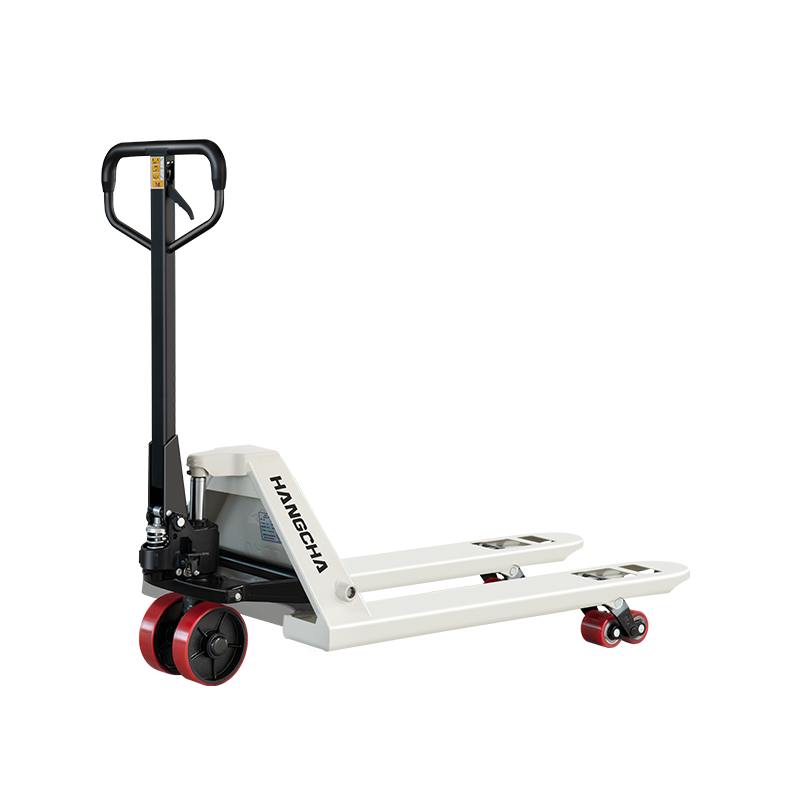
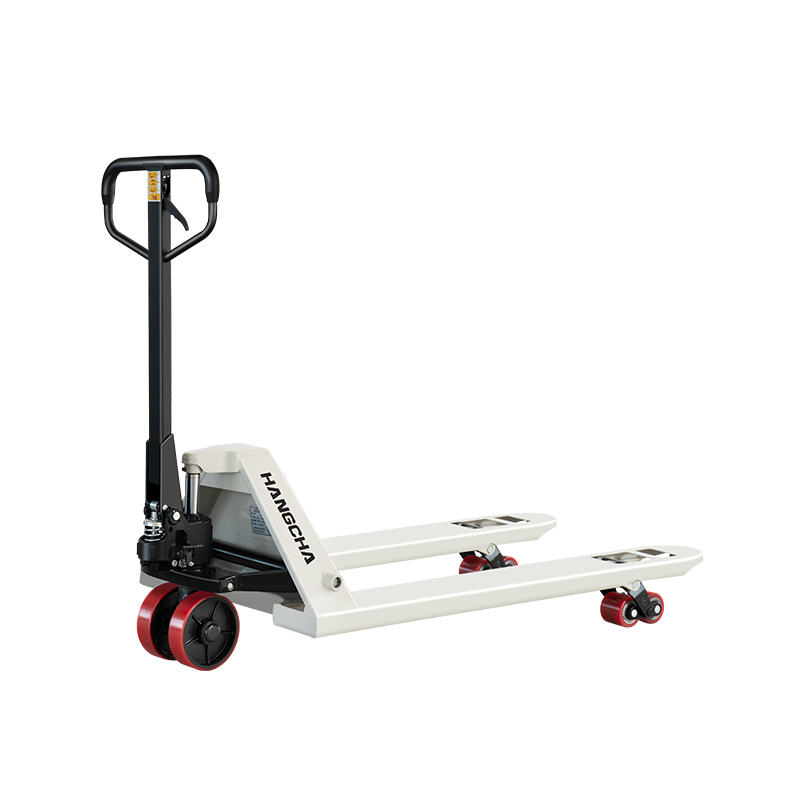
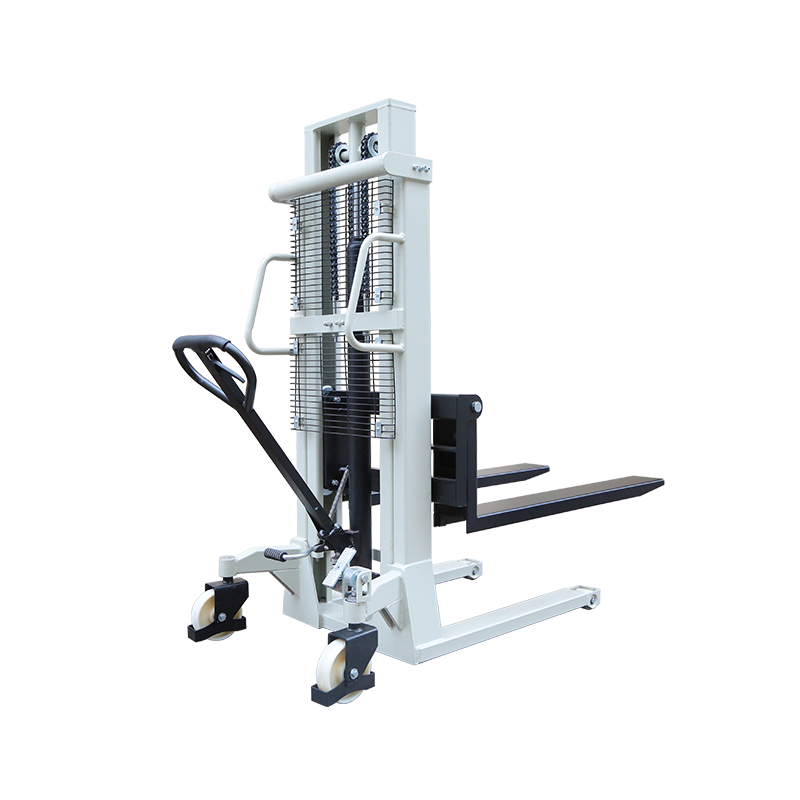
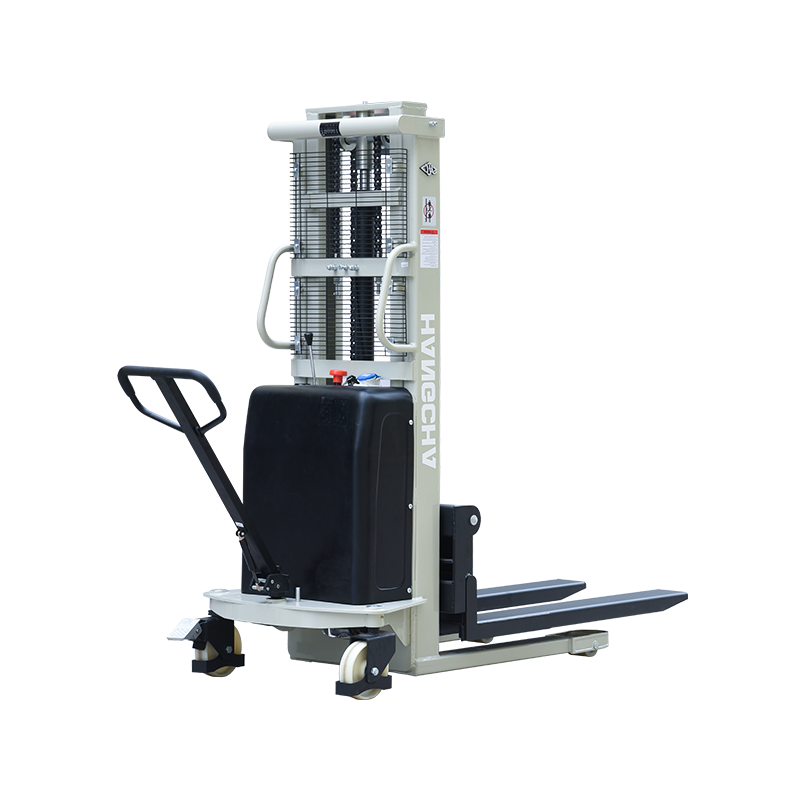
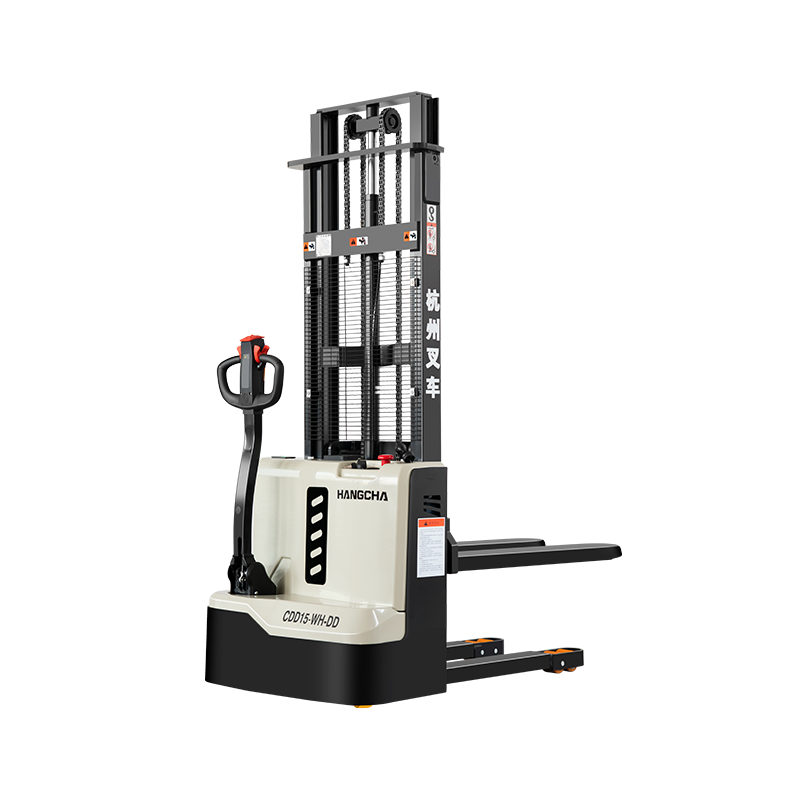
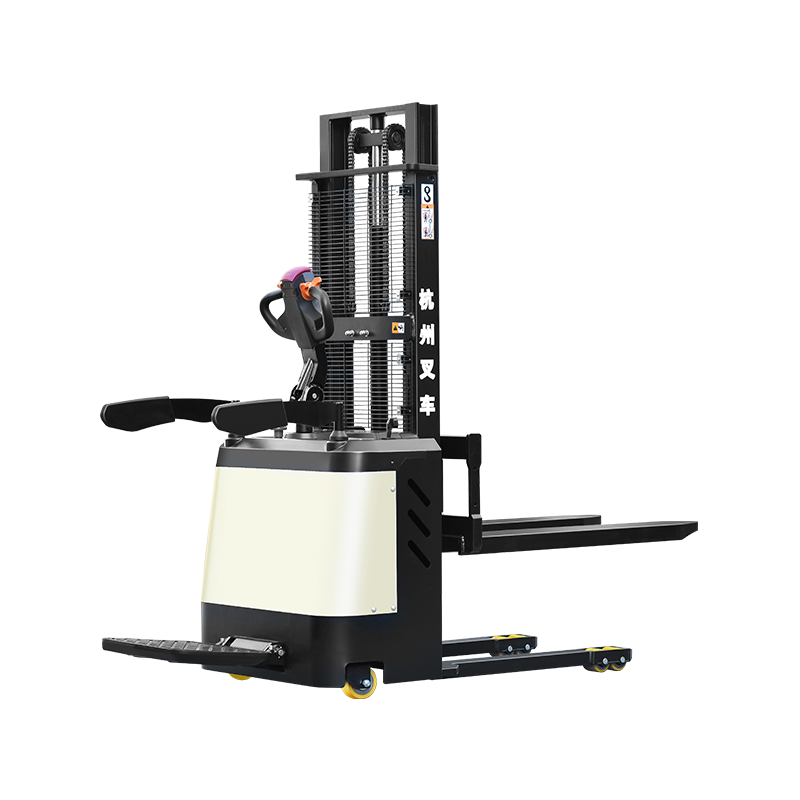
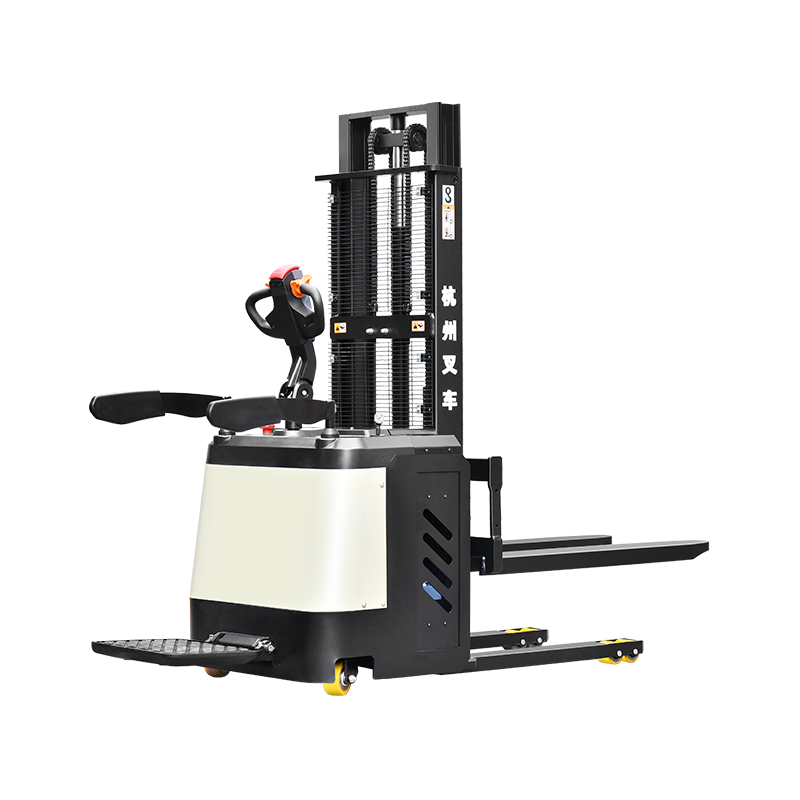
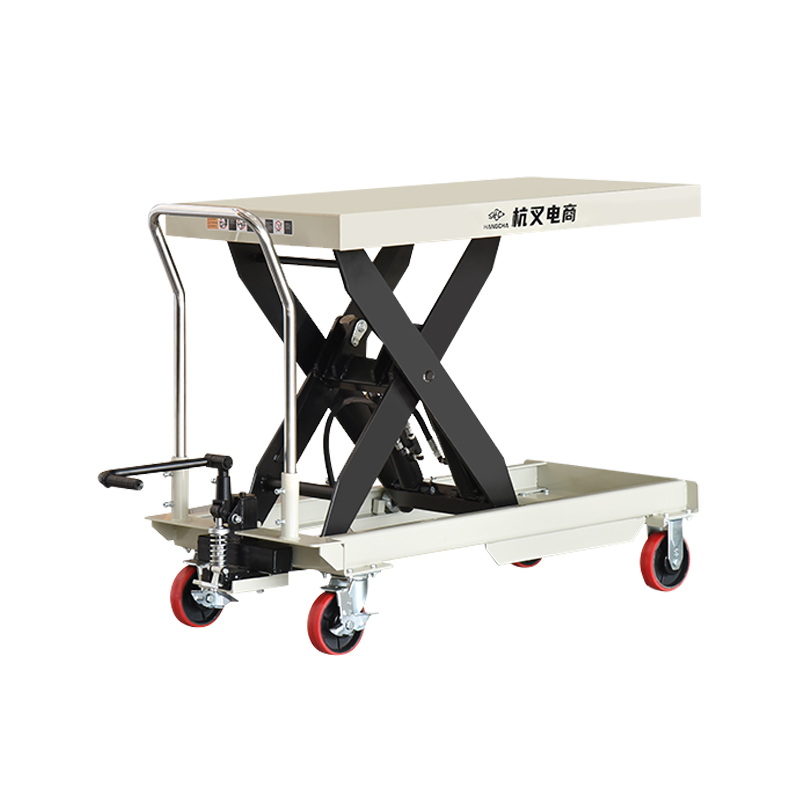
As global supply chains demand maximum efficiency, materials handling procurement is shifting rapidly toward heavy-duty, high-ROI alternatives. Hangzhou, China—the undisputed silicon valley of electric forklift engineering—has become a primary hub for material handling equipment. Led by global giant Hangcha Group, forklifts manufactured in this industrial region now account for a massive share of the North American lithium-ion market. However, for a U.S. fleet manager, procuring from overseas involves navigating complex compliance frameworks, service network density, and hidden Total Cost of Ownership (TCO) metrics. This comprehensive guide delivers raw, unpolished, and transparent data to bridge the information gap for U.S. buyers.
Navigating the factory floor of Hangzhou from an office in the United States requires clear transparency on logistical origins and domestic representation. When sourcing a "Hangzhou forklift," buyers are predominantly dealing with Hangcha Group Co., Ltd., alongside localized tier-2 OEMs. The primary manufacturing powerhouse is located at No. 666 Xiangfu Road, Lin'an District, Hangzhou, Zhejiang, China. This facility operates as a highly automated Smart Factory utilizing 5G-integrated AGVs and robotic welding lines.
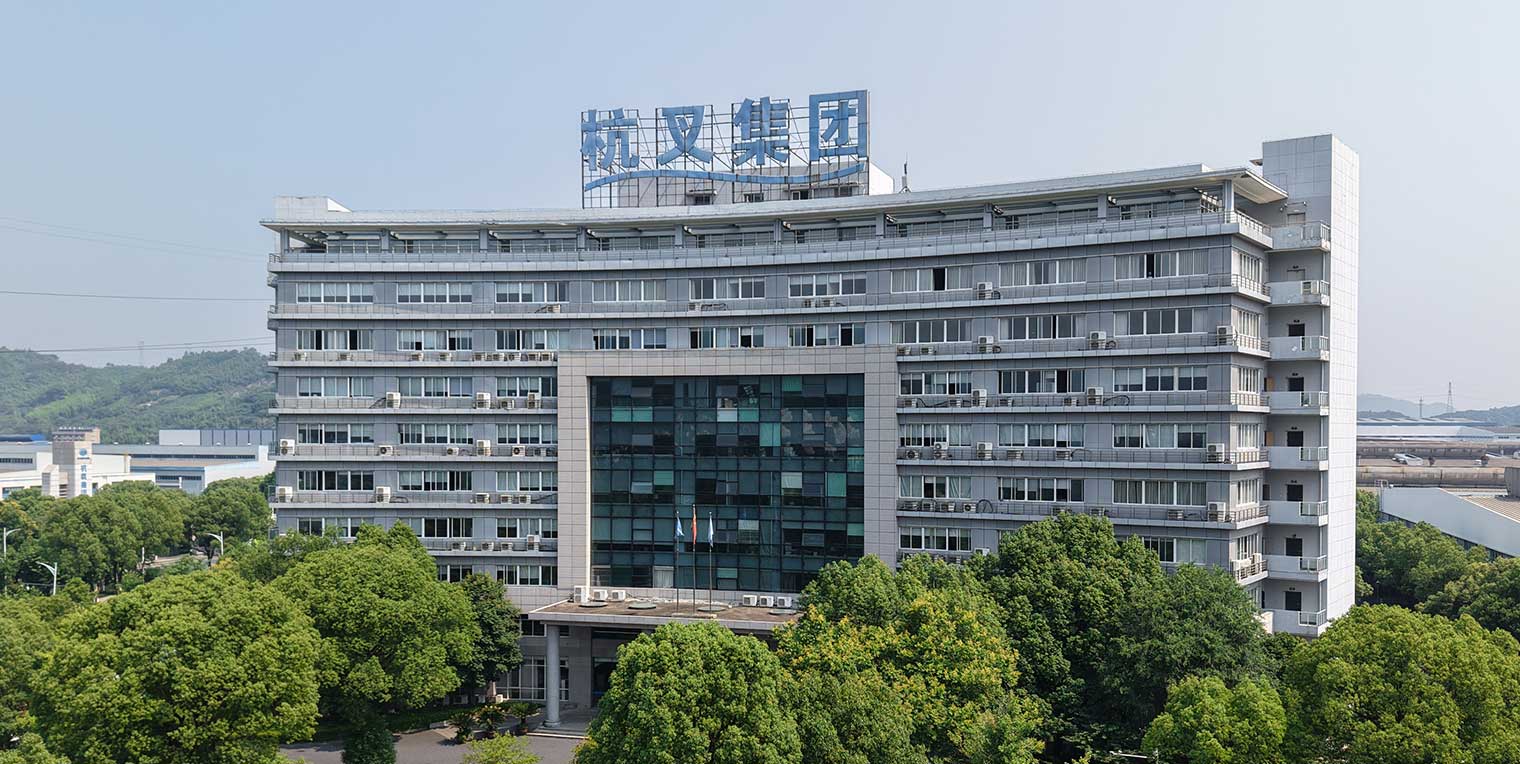
For U.S. logistics managers planning a pre-purchase site audit, factory visits require an advance rolling 14-day scheduling notice routed through authorized corporate channels. Virtual 3D live factory inspection audits are now standard for enterprise-level fleet acquisitions, allowing real-time video verification of robotic assembly tolerance testing.
In North America, factory-direct operations are streamlined through HC Forklift America Corporation (HCFA). To ensure clear sourcing pathways, refer to the verified operations matrix below:
| Entity / Facility Location | Primary Function | Contact & Digital Access Routes |
|---|---|---|
| Hangcha Global HQ No. 666 Xiangfu Rd, Lin'an, Hangzhou, China |
Primary Smart Manufacturing Hub & Global R&D |
Web: hcforklift.com Commercial: hf-ec.com |
| HCFA Distribution Center Charlotte, North Carolina (Main HQ) |
U.S. Master Stock, Technical Training & Warranty Administration | Phone: +1 (704) 588-6435 Web: hcforkliftamerica.com |
| Western Regional Hub Chino Hills, California |
Tier-1 Parts Depot & Finished Goods Distribution | Contact via local Southwest dealer portals |
| Gulf Coast Distribution Houston, Texas |
Heavy Equipment Stock & Internal Combustion Competency Hub | Direct regional freight routing available |
Critical Import Compliance Note: Every IC (Internal Combustion) unit exported from Hangzhou to the U.S. must feature a permanent, riveted metal EPA emissions label certifying Tier 4 Final compliance. For electric models, verify that the data plate displays the specific UL 583 crash-safety and electrical classification, or risks seizure at the Port of Long Beach or Port of Newark during Customs and Border Protection (CBP) structural entry screening.
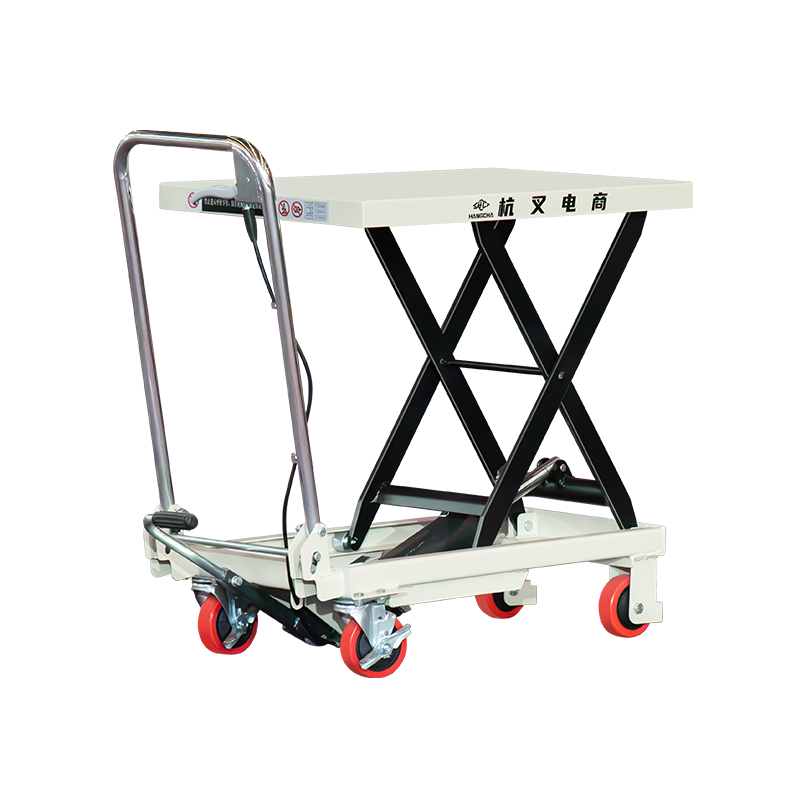
An indispensable, often overlooked procurement route for U.S. buyers is the newly streamlined B2B direct channel via Hangzhou Hangcha E-Commerce Co., Ltd. (established in late 2023 to pioneer factory-to-business logistics). While heavy counterbalance trucks require local dealer setup, this specialized e-commerce subsidiary allows small-to-medium U.S. logistics firms and fleet wholesale buyers to bypass certain mid-tier broker margins for lighter Class III warehouse equipment—such as mini lithium pallet jacks (1.5T-2T), walkie stackers, and electric scissor lifts.
Operating through official certified global storefronts (including Alibaba Verified and Made-in-China factory portals), this channel maintains a 100% on-time delivery rate with an average response window of under 4 hours. This direct e-commerce pipeline is particularly lucrative for rapid tier-3 fleet expansions where complex dealer financing is unnecessary, offering transparent, tiered wholesale pricing:
| Equipment Type & Series | E-Commerce Direct Tiered Pricing (USD) | Minimum Order Quantity (MOQ) |
|---|---|---|
| Hangcha 2.0 Ton Compact Lithium Electric Pallet Jack (Quick-Release Battery) | $1,000 - $1,300 per unit | 1 Set |
| Hangcha XE Series 3 Ton Fast-Charge Lithium Four-Wheel Forklift | $10,000 - $13,500 per unit | 1 Set |
| Hangcha X Series Heavy-Duty Diesel Forklift (Counterbalance Counterpart) | $7,000 - $8,500 per unit | 1 Set |
E-Commerce Logistics Warning for U.S. Freight Forwarders: When purchasing directly through Hangzhou Hangcha E-Commerce portals, pricing is usually quoted under FOB (Free On Board) Port of Ningbo or Port of Shanghai, or CIF (Cost, Insurance, and Freight). U.S. buyers must calculate customs clearance fees, Harbor Maintenance Fee (HMF), and local ISF (Importer Security Filing) costs into their final landed cost projection formula: Landed Cost = FOB Price + Ocean Freight + US Customs Duty + Local Port Drayage. For parts or standalone lithium replacement packs, the "HCFA Shop" portal or "HC Peripheral Products" e-commerce channels handle direct overnight DDP air-courier fulfillment into North America.
Capital preservation dictates modern fleet acquisition. For U.S. warehouse operations evaluating Hangzhou-manufactured forklifts, establishing whether to lease or buy involves concrete cost structures. Short-term rentals offer seasonal flexibility, whereas capital leases unlock specific tax incentives.
For long-term fleet integration, financing provides structured acquisition pathways. The typical credit approval process through captive financial partners requires a standard corporate credit check, two years of audited financials, and a minimum D&B (Dun & Bradstreet) Paydex score of 65. The table below outlines standard 60-month financing archetypes:
| Forklift Class & Type | Average MSRP (USD) | Capital Lease (10% Down, 60 Mo, 6.5% APR) | Fair Market Value (FMV) Lease (60 Month) |
|---|---|---|---|
| Class V: XF Series Tier 4 Diesel (5,000 lbs.) | $28,000 - $33,000 | $510 - $600 / month | $390 - $460 / month |
The financial leverage of choosing a Capital Lease over an FMV lease or outright cash purchase lies within the U.S. Tax Code. Under Section 179, qualifying domestic companies can write off 100% of the equipment purchase price in the first year of deployment, rather than depreciating it over a standard 7-year schedule.
Furthermore, transitioning to Hangzhou-manufactured electric or lithium-ion fleets unlocks regional state-level environmental credits. For instance, in California, the Clean Off-Road Equipment Voucher Incentive Project (CORE) provides direct monetary incentives that can reduce the initial capital outlay of zero-emission forklift conversions by up to $10,000 per unit, drastically accelerating the localized ROI return window.
The secondary market for Hangzhou forklifts has matured significantly due to the structural longevity of lithium-iron phosphate (LFP) chassis. When procuring pre-owned units through industrial auction clearings, factory-refurbished distributor programs, or independent third-party remarketers, buyers must employ precise verification methodologies.
To ensure structural and mechanical integrity, every pre-owned Hangzhou unit must pass a rigorous assessment before field integration:
To accurately assess whether a used Hangzhou forklift is fairly priced, procurement teams can apply this standard industry valuation formula:
Used Value = (MSRP * (1 - (Current Hours / 12000))) * (Battery SOH / 100)
(Note: 12,000 hours represents the standard economic life expectancy of a Class I chassis before major structural overhaul requirement).
If purchasing an older, lead-acid or early-gen electric unit with a degraded power system, buyers must factor in modern battery replacement dynamics. Swapping out a failed or degraded 48V battery pack typically incurs the following real-world costs:
An asset is only as valuable as the post-sale infrastructure supporting it. Maximizing uptime requires systematic adherence to operational maintenance metrics and regulatory alignment.
While structural elements are forged in Hangzhou, the critical operational components of North American export models are heavily standardized with global brands. Controllers are sourced from Curtis Instruments or Zapi, while hydraulic valves are supplied by Shimadzu. This hybrid engineering approach ensures that tier-1 electrical components are readily available off-the-shelf across local domestic supply channels, while proprietary body panels or custom mast components are dispatched directly via HCFA’s 24-hour express air-freight hubs in North Carolina and California.
Operating any industrial lift truck within the United States legally mandates absolute compliance with OSHA regulation 29 CFR 1910.178. To ensure workplace safety and pass structural regulatory inspections, fleet managers must implement a mandatory daily pre-shift inspection regime.
| Service Interval | Mandatory Technical Maintenance Checklist | Estimated Cost (Parts & Labor) |
|---|---|---|
| Every 250 Hours | Lubricate mast chains, grease steer axle kingpins, check hydraulic oil level, test brake fluid density. | $150 - $250 |
| Every 500 Hours | Replace hydraulic system return line filters, adjust service brakes, check electric motor brush wear (if applicable). | $300 - $450 |
| Every 2000 Hours | Complete hydraulic oil flush and exchange, structural mast wear shims replacement, steering cylinder rebuild. | $900 - $1,400 |
Deploying a modern lithium-ion Hangzhou fleet requires evaluating facility power inputs. Unlike legacy lead-acid batteries requiring separate, ventilated charging rooms to exhaust dangerous hydrogen gas, lithium-iron phosphate (LFP) units can be opportunity-charged directly on the warehouse floor during worker breaks. However, a high-output 480V three-phase rapid charger requires a dedicated 30A to 60A electrical drop per station. Facility managers must audit local electrical panel capacities before deploying a multi-station fast-charging grid to prevent unexpected transformer overload issues.
Optimizing materials handling efficiency requires moving past generic estimates to get real, actionable figures. Take the next step to secure transparent pricing and ensure full compliance for your next equipment acquisition:
Contact an application specialist today to receive your custom TCO Calculation Worksheet and OSHA Pre-Shift Checklist.
Authorized distribution is managed directly by HC Forklift America (HCFA). Buyers can input their ZIP code on the main domestic dealer portal to find certified regional service showrooms. All units intended for U.S. deployment are finalized with English-language diagnostic software and domestic compliance plating before leaving the manufacturing facility in Hangzhou.
Standard 5,000 lbs. capacity warehouse units typically cost between $150 and $220 daily, or $450 to $650 weekly. Long-term 60-month operational leases generally run from $450 to $690 per month, depending heavily on battery configurations and the specific mast options selected.
U.S. buyers can utilize flexible $1 Buyout Capital Leases, Fair Market Value (FMV) leases, or structured skip-payment plans designed to match seasonal cash flow. These programs allow eligible companies to take advantage of first-year depreciation deductions under Section 179 tax rules.
Pre-owned units are available through certified dealer trade-in programs and major industrial equipment auctions. Before finalizing a purchase, always verify the battery State of Health (SOH) using specialized diagnostic software, inspect the mast channel wear tolerances, and confirm the presence of a valid EPA or UL compliance data plate.
While electric lithium-ion models carry a 20% to 30% higher upfront purchase cost compared to diesel units, they reduce energy costs by up to 70% and eliminate routine maintenance expenses like engine oil changes and emissions filter replacements. Electric units produce zero emissions, making them fully compliant with strict indoor air quality regulations without requiring complex diesel exhaust systems.
Standard factory warranties typically provide 1 to 2 years of comprehensive chassis coverage, while specialized lithium-ion battery packs include up to 5 or 10 years of extended coverage. Spare parts are managed through major domestic distribution hubs in North Carolina and California, ensuring rapid 24-to-48-hour shipping turnarounds for critical fleet components across the country.

+86-0571-88131206

+86-19084200370

+86-17816721301
 عربى
عربى