You want to stay safe, work smarter, and feel comfortable every day on the job. Start with advice trusted by experts who know what forklift drivers face. Safety matters—recent numbers show thousands of accidents and even fatalities happen each year:
Over 40,000 forklift incidents caused missed work or worse in 2021-2022
More than 24,000 cases led to job restrictions or transfers
143 workers lost their lives in just two years
Apply these up-to-date tips right away. You can make your workday safer and more productive.
Check your forklift every day before you use it. This helps you find problems early. It keeps you and others safe.
Always put on your PPE and fasten your seatbelt. Doing this lowers your chance of getting hurt.
Make sure your loads are in the center and lowered when you drive. This makes the forklift steady and stops accidents.
Pay attention and do not let anything distract you when you drive a forklift. Staying focused is very important for safety.
Join training and take refresher courses often. Learning more helps you know new safety rules and makes you better at your job.
You start every shift with a quick walk-around. This habit keeps you safe and helps your forklift run smoothly. Look for leaks, check the tires, and make sure the forks are straight. Test the horn and lights. If you spot a problem, report it right away.
Tip: A few minutes spent on inspection can save you hours of trouble later.
Daily pre-operation inspections help you catch hazards before they turn into accidents. You check fluid levels and mechanical parts. This routine keeps your equipment reliable and your workplace safer. When you inspect your forklift every day, you show that safety comes first.
Daily inspections help you find problems early.
You prevent accidents and avoid costly repairs.
Regular checks build a strong safety culture.
A solid inspection routine also keeps you in line with safety rules. You protect yourself and your team. Forklift drivers who inspect their machines every day help everyone go home safe.
You never skip your safety gear. Put on your hard hat, safety vest, and gloves before you get behind the wheel. Always buckle your seatbelt. These steps may seem small, but they make a big difference.
Consistent use of PPE and seatbelts lowers your risk of injury. If your forklift tips over, your seatbelt keeps you inside and out of harm’s way. PPE shields you from falling objects and other dangers.
Remember: Safety gear is your best defense against workplace hazards.
Forklift drivers who wear their PPE and seatbelt set a good example. You help create a safer workplace for everyone. Make it a habit, and you’ll protect yourself and your coworkers every day.
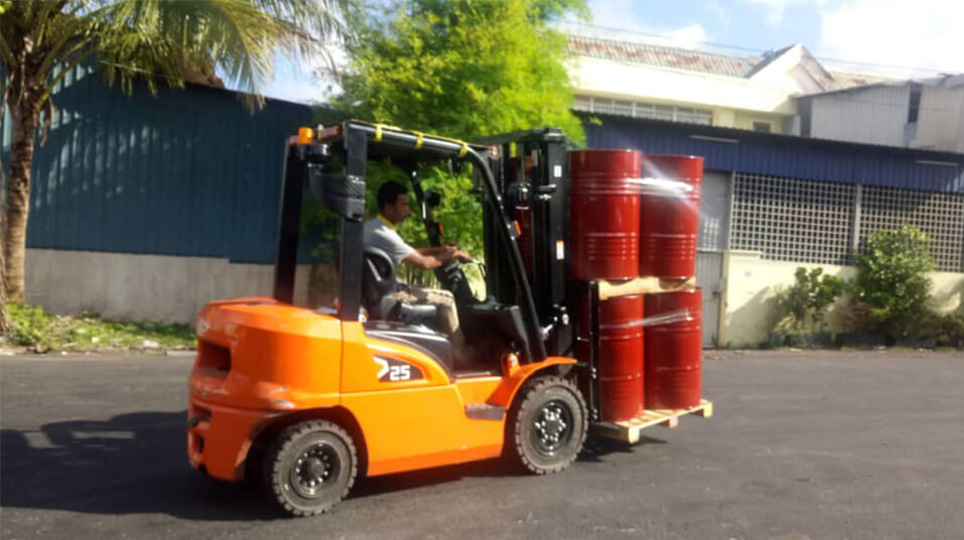
You want every lift to feel steady and safe. Always center your load on the forks before you move. If the weight sits off to one side, your forklift can tip or the load might fall. Lower the load as much as possible while driving. Keeping it close to the ground helps you stay in control and reduces the risk of accidents.
Tip: When you keep the load low and centered, you protect yourself and everyone around you.
Here’s what experts recommend for handling loads:
Keep the load’s center of gravity close to the forklift.
Minimize the load center distance to boost your forklift’s weight capacity.
Accelerate slowly when carrying heavy loads.
Maintain control of your vehicle at all times, especially with big or awkward items.
You can use this simple table to check your load before moving:
|
Step |
What to Do |
Why It Matters |
|---|---|---|
|
Center the load |
Place weight in the middle |
Prevents tipovers |
|
Lower the forks |
Keep load close to ground |
Improves stability |
|
Check for balance |
Make sure load is even |
Avoids falling objects |
Your forklift has a limit. Never push it past that number. If you overload, you risk a tipover or dropping the load. Exceeding the lift’s capacity can lead to rollovers and serious injuries. You want to avoid these dangers every time you work.
Here are the main risks if you go over capacity:
Danger of tipover.
Danger of losing the load.
Danger of being struck by falling objects.
Note: Always check the forklift’s data plate for the maximum weight. If you’re unsure, ask your supervisor.
You keep yourself and your team safe when you respect the forklift’s limits. If you need to move a heavy or unusual load, calculate the maximum allowable load moment. Stay alert and never guess. Safety comes first, every single time.
You spend hours behind the wheel, so comfort matters. Start by adjusting your seat so your feet rest flat on the floor and your back feels supported. Move the seat forward or backward until you reach the pedals without stretching. Set the steering wheel and controls within easy reach. This helps you avoid awkward movements and keeps your posture healthy.
Tip: Use mirrors and cameras to see your surroundings. You won’t need to twist your body as much, which protects your back and neck.
Here are some simple ways to make your workspace fit you:
Check your seat height and lumbar support before each shift.
Position controls so you can operate them without leaning.
Use ergonomic equipment that meets industry standards.
Ask for an ergonomic assessment if you feel discomfort.
A quick table can help you remember what to check:
|
Adjustment |
What to Do |
Why It Helps |
|---|---|---|
|
Seat height |
Feet flat, knees bent |
Reduces leg strain |
|
Lumbar support |
Adjust for lower back |
Prevents back pain |
|
Controls |
Easy reach, no stretching |
Less muscle fatigue |
Fatigue sneaks up on you during long shifts. You can fight it with smart habits. Take short breaks every two hours to stretch and relax. Drink water and eat balanced meals to keep your energy up. Switch tasks when you can, so your body doesn’t get stuck in one position.
Feeling tired? Step out, stretch, and reset. Your body will thank you.
Try these strategies to stay alert:
Schedule regular breaks to move and stretch.
Eat healthy snacks and stay hydrated.
Change tasks to avoid doing the same thing for hours.
Talk to your supervisor about a fatigue risk management plan.
Forklift drivers who care for their bodies work safer and feel better. You’ll notice less soreness and more energy at the end of your shift.
You want to move safely and quickly through your workspace. Start by mapping out your routes before you drive. Look for the shortest and safest path to your destination. Avoid sharp turns and crowded areas. If you see obstacles, plan a way around them. Use floor markings and signs to guide you. These help you stay on track and avoid danger.
Tip: Always check for blocked aisles or wet spots before you start your route. A clear path keeps you and your load safe.
Try this simple checklist before you drive:
Check for people or other vehicles in your path.
Look for spills, debris, or uneven surfaces.
Make sure your route has enough space for your forklift and load.
Follow marked lanes and arrows.
When you plan your route, you save time and lower your risk of accidents. You also help your team work better together.
Your work area changes every day. You need to watch for things that can affect your safety. Temperature, humidity, terrain, and altitude all play a role. For example, hot days can make your forklift overheat. High humidity can cause electrical problems. Uneven ground can make your forklift unstable. High altitudes can lower your engine’s power.
Here’s a quick look at how these factors matter:
|
Environmental Factor |
Impact on Forklift Safety |
|---|---|
|
Temperature |
Affects hydraulic fluid and engine heat, which can lower efficiency and safety. |
|
Humidity |
Can cause rust and electrical issues, raising the risk of accidents. |
|
Terrain |
Uneven ground can tip your forklift or make it hard to steer. |
|
Altitude |
Reduces engine strength, so your forklift may not lift as much or run as smoothly. |
You should always scan your environment before you start. Notice changes in the floor, lighting, or weather. If you spot a hazard, let your supervisor know right away. Stay alert, and you’ll keep yourself and your coworkers safe every shift.
You must pay attention every time you drive a forklift. Distractions can come from loud sounds, people talking, or your own thoughts. If you stop paying attention, accidents can happen quickly. Anything that takes your mind off driving can be dangerous for you and others.
Tip: Take a deep breath before you start. Remind yourself that safety is most important.
Distractions make it harder to react fast and see dangers. You might not notice a warning sign or make a good choice. Here’s a table that shows how distractions can hurt forklift safety:
|
Effect of Distraction |
Description |
|---|---|
|
Reduced Reaction Time |
You react slower to danger, so accidents are more likely. |
|
Impaired Concentration |
You lose focus and might make mistakes. |
|
Poor Decision-Making |
You have trouble making safe choices while driving. |
Some common distractions are:
Loud machines or alarms
People walking or talking close by
Worrying or daydreaming
Stay alert and watch where you are going. If you notice your mind wandering, stop and focus again. Your safety depends on paying attention.
Mobile devices are very dangerous when you drive a forklift. Texting, talking, or looking at your phone takes your eyes and ears off the job. You might not hear alarms or see someone walk in front of you. Using your phone can even make you trip if you are not looking.
Alert: Never use your cellphone when driving a forklift. Keep it put away until break time.
Most workplaces have strict rules about mobile devices now. These rules help keep everyone safe:
No texting or talking while using any motorized equipment
Only use cellphones in safe areas away from work
Teach drivers about the dangers of mobile devices
Remind everyone about the rules during training
Phones can cause crashes, tipovers, or missed safety warnings. A rule against phones can lower accidents and keep you and your team safe.
If you need to use your phone, stop the forklift and go to a safe spot first. Paying full attention keeps you safe and helps everyone get home at the end of the day.
You work in busy spaces where noise and movement never stop. Clear hand signals help you and your team stay safe. When you use the right signals, you avoid confusion and keep everyone on the same page. You don’t need to shout or guess what someone means. A simple gesture can tell you exactly what to do next.
Here’s a table with the most recognized hand signals for forklift drivers:
|
Hand Signal |
Description |
|---|---|
|
Emergency Stop |
Stop everything right away if there’s danger. |
|
Dog Everything (Pause) |
Pause for safety or let another forklift pass. |
|
Raise the Tines |
Lift the tines to the correct height. |
|
Lower the Tines |
Lower the tines safely. |
|
Move the Tines Left/Right |
Shift the tines sideways for better positioning. |
|
Tilt the Mast Forward/Back |
Adjust the mast for load balance or unloading. |
Tip: Practice these signals with your team until everyone knows them by heart. You’ll move faster and safer.
You can also use signals like “Move Forward” or “This Far To Go” to guide your forklift in tight spots. When you see a spotter use these gestures, you know exactly what’s expected.
You don’t work alone. Good teamwork keeps accidents away and helps everyone finish the job on time. You need to talk with other drivers, spotters, and warehouse staff. Use hand signals or radios, especially when the area gets loud. Spotters help you in crowded aisles or places with blind spots.
Here are some ways to boost team coordination:
Communicate clearly with everyone around you.
Use radios or hand signals in noisy areas.
Ask for a spotter when you can’t see everything.
Make sure your team understands the same signals and rules.
Join regular meetings and training sessions to keep skills sharp.
Good communication builds trust. When you share information, you help your team avoid mistakes.
If you’re ever unsure, ask questions. Double-check signals before you move. You’ll notice fewer accidents and more teamwork every day.
You want every load to stay steady from start to finish. Always place your load so it sits evenly across both forks. Make sure the weight is centered between the forks. If you see the load leaning or hanging off one side, stop and adjust it. This helps you avoid tip-overs and keeps your forklift balanced.
Tip: Slide the forks as wide as possible for the load. This gives you better support and less wobble.
Here are some best practices to follow:
Distribute the heaviest part of the load closest to the front wheels.
Never stack damaged or loose items unless you secure them first.
Tilt the load back just enough to keep it stable, but not too far.
Avoid traveling with the load tilted forward. This can make your forklift less stable.
A quick table can help you remember the right steps:
|
Step |
What To Do |
Why It Matters |
|---|---|---|
|
Center the load |
Place weight between the forks |
Prevents tipping |
|
Adjust fork width |
Spread forks to fit the load |
Increases stability |
|
Secure the load |
Use straps or shrink wrap if needed |
Stops shifting or falling |
You protect yourself and others when you keep every load stable. If a load shifts or slides, your forklift can tip over. Always check that your load is secure before you move. Watch for signs that the load might move, like leaning boxes or uneven stacks.
Improper load handling can make your forklift unstable.
Shifting loads change the center of gravity and raise the risk of accidents.
Following the forklift’s capacity limits keeps you safe.
Never guess the weight of a load. Check the data plate and stay within the limit.
You should also avoid sudden stops or sharp turns. These moves can cause the load to shift and the forklift to tip. If you see a problem, stop and fix it before you go any further. Stable loads mean safer shifts and fewer surprises.
You use your forklift a lot at work. Knowing how it works helps you stay safe. Each forklift has special features to help you do your job. Before your shift, look at the controls and safety systems. Check the display panels too. If you know your forklift’s limits and strengths, you can avoid mistakes. This keeps you safe every day.
Here are some features you might see on new forklifts:
|
Feature |
Description |
|---|---|
|
Automatic Speed Control |
Finds possible crashes and slows down to stop accidents. |
|
Braking Systems |
Helps you stop fast in emergencies and keeps you safe. |
|
Operator Detection |
Uses sensors to block unsafe moves and stops people who should not use it. |
|
Load-Sensing Technology |
Checks your load’s weight so you don’t tip over or carry too much. |
|
Ergonomic Enhancements |
Makes your seat and controls more comfy, so you feel less tired. |
Tip: Take a few minutes to learn your forklift’s controls and safety features. You will feel more sure and work better.
Forklift technology changes all the time. If you learn about new tech, you work faster and safer. Electric forklifts are popular now. Their batteries last longer and charge quickly. You might see forklifts that drive themselves or robots in your warehouse. These machines help you make fewer mistakes and do your job easier.
Here are some tech trends you should know:
Electric forklifts are cleaner and quieter, so your workspace is nicer.
Automation brings forklifts that drive themselves, which lowers human error.
Safety features like automatic speed control and zone recognition help stop accidents.
IoT lets forklifts send data right away, so managers can fix problems fast.
Ergonomic designs help you stay comfy and awake.
Green tech, like hydrogen fuel cells, helps the planet.
Custom options let you choose the best forklift for your work.
Operator assist systems and telematics help you follow safety rules. They also keep your forklift working well. Virtual reality training lets you learn new skills safely. If you see new tech at work, ask questions and try it. You will stay ahead and make your job easier.
You touch the controls all day. If you keep them clean, your forklift works better and you stay safe. Dirt and dust can sneak into buttons and levers. This can make them stick or stop working. You want every control to respond fast when you need it.
Tip: Wipe down your controls before each shift. Use a soft cloth and a safe cleaner.
A clean forklift does more than look good. It helps you avoid breakdowns and accidents. Here’s what happens when you clean your forklift often:
You stop dirt and debris from causing surprise breakdowns.
Your forklift runs smoother and costs less to fix.
Moving parts last longer because there’s less friction and strain.
You lower the risk of accidents from clutter or sticky controls.
You can hang a cleaning chart near your station. Add a photo of a clean control panel to remind everyone what “clean” looks like.
|
Cleaning Task |
How Often |
What to Use |
|---|---|---|
|
Wipe controls |
Daily |
Soft cloth, cleaner |
|
Clean floor mat |
Weekly |
Vacuum, brush |
|
Check for spills |
Daily |
Paper towels |
You need a clear path to drive safely. Clutter and spills can trip you up or block your view. If you see boxes or trash in the way, move them before you start. A clean floor keeps you and your coworkers safe.
Alert: Never drive over debris or wet spots. Stop and clear the area first.
Manufacturers say you should follow a regular maintenance schedule. Here’s what most recommend:
Every 200 hours: Full service with oil change, filter install, and chassis greasing.
Every 600 hours: Service the hydraulic system and check lift chains.
For heavy use, service every 90 days.
Internal combustion forklifts: Service every 250-300 hours.
Electric forklifts: Service every 500 hours.
You can post a video near the break room showing how to spot and clear hazards. Add a table to track cleaning and maintenance tasks.
|
Task |
Who Does It |
When |
|---|---|---|
|
Sweep pathways |
All drivers |
Every shift |
|
Inspect for clutter |
Supervisor |
Weekly |
|
Technician |
As scheduled |
Stay on top of cleaning and maintenance. You’ll work safer, faster, and with less stress.
You need to keep learning to stay safe. Refresher courses help you learn new safety rules and forklift features. These classes teach you about changes in OSHA regulations and best ways to work. When you train often, you work faster and feel more sure of yourself.
Tip: Ask your supervisor about refresher courses. Staying updated helps you do better.
Here are the main benefits of refresher courses:
|
Benefit |
Description |
|---|---|
|
Efficiency |
You load and unload faster with fewer mistakes. |
|
Safety |
You learn new safety steps and lower your risk of accidents. |
|
Cost Reduction |
Your company might pay less for insurance because you show less risk. |
|
Compliance |
You follow OSHA rules and help keep your workplace safe for everyone. |
You also get to try new skills and learn better ways to do hard jobs. When you join these classes, you help your team work safer and smoother.
Practice helps you get better every day. When you drive a forklift often, you remember the right moves and avoid bad habits. You keep your skills fresh and spot problems before they get worse. Regular practice helps you learn new ways and stay ready for anything.
You stop skill fade by practicing often.
You check your abilities and improve where needed.
You help your team keep safety standards high.
Note: Set time each week for hands-on practice. It keeps you sharp and ready for any challenge.
Continual training and practice make forklift drivers more confident and skilled. You build good habits and help everyone stay safe at work.
When you use expert tips, your workday gets safer and easier. You notice real changes in how you feel and work.
|
Improvement Type |
Description |
|---|---|
|
Safety |
Ergonomic habits help stop injuries and accidents. |
|
Productivity |
Comfortable drivers make fewer mistakes and work quicker. |
|
Comfort |
Good ergonomics help you feel less tired on long shifts. |
Training often, short lessons, and quick feedback help you handle new problems.
Checking your forklift and working with your team keeps your skills strong and your job running well.
Keep asking questions and learning new things. Your future at work depends on it.
Stop right away. Lower your load to the ground. Check for uneven surfaces or shifting loads. If you still feel unsafe, report the problem to your supervisor. Never keep driving if something feels wrong.
You should inspect your forklift before every shift. Look for leaks, check the tires, and test the controls. A daily check keeps you and your team safe.
Never use your phone while driving. Phones distract you and can cause accidents. Put your phone away until you finish your shift or take a break.
Ask for training from your supervisor.
Watch company videos or demos.
Practice with a trainer before using new features.
Stay curious! New tech can make your job easier and safer.
A seatbelt keeps you inside the forklift if it tips over. You stay safer and avoid serious injuries. Always buckle up before you start moving.

+86-0571-88131206

+86-19084200370

+86-17816721301
 عربى
عربى